Food & Culture
Unique Japanese Food Experiences You Shouldn’t Miss
Go beyond sushi and ramen with memorable Japanese food experiences, from markets and izakaya to regional specialties, depachika and casual street food.
Read guide →
Eat, discover & understand
Discover what to eat, where to try it and the experiences that make Japanese food and culture memorable.
Browse the guidesJapan is one of the world’s great food destinations, and you do not need to know Japanese cuisine before you arrive. Use this page to discover what to eat, where particular dishes come from, what they taste like, what they usually cost, and how to find a good place to try them.
Do not limit the trip to sushi and ramen. Build a food list with a mixture of famous dishes and regional specialties. Good first choices include sushi, ramen, soba, udon, tempura, yakitori, tonkatsu, curry rice, okonomiyaki and donburi. Then add foods you may not already know.
As this section grows, each featured food will get its own guide explaining its origin, flavor, ingredients, typical price, dietary considerations, how it is eaten and good places or neighborhoods to try it.
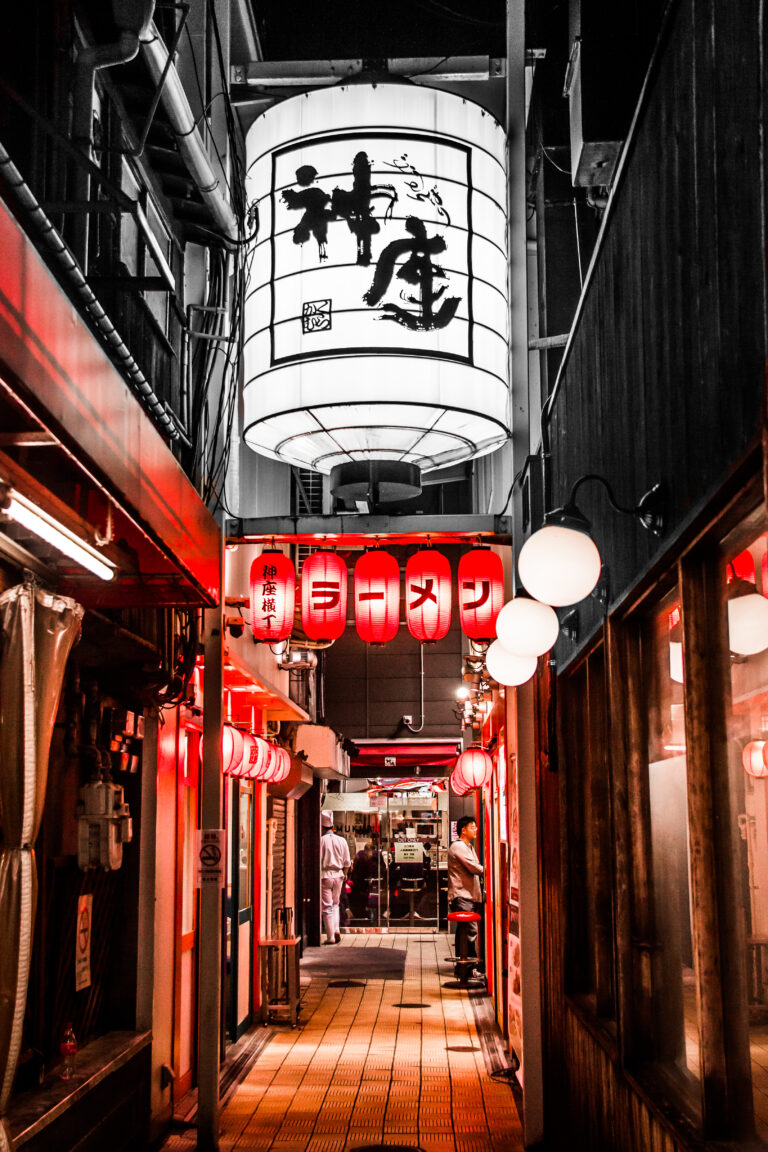
Tokyo is ideal for variety. Try Tsukishima when monjayaki is the goal, Asakusa for traditional snacks and long-established shops, Ueno/Ameyoko for casual food exploration, Ginza for higher-end dining, and Shinjuku or Yurakucho for izakaya and yakitori. Department-store basement food halls are also excellent when a group wants different foods in one convenient stop.
Kyoto is particularly strong for obanzai, yudofu, matcha sweets, wagashi and more formal seasonal cuisine. Nishiki Market is useful for discovering ingredients and snacks, while central Kyoto and Gion contain many traditional dining options. Around temple areas, look beyond souvenir snacks and consider dishes connected to Kyoto’s vegetable and tofu traditions.
Osaka is one of the easiest cities for casual eating. Dotonbori and Namba make takoyaki and okonomiyaki easy to find, Shinsekai is associated with kushikatsu, and Tenma/Ura Namba can be rewarding for izakaya and less formal evening meals. The goal is not to eat every famous dish in one night—leave room to explore.
Japan’s regional specialties are part of the travel experience: Hiroshima-style okonomiyaki in Hiroshima, gyutan in Sendai, hitsumabushi in Nagoya, motsunabe and Hakata ramen in Fukuoka, Jingisukan and seafood in Hokkaido, hoto around Yamanashi, and many local noodle, seafood and sweet traditions elsewhere.
Food does not have to be expensive. Casual noodles, curry, donburi and set meals can often be among the more affordable restaurant choices, while specialist sushi, wagyu, kaiseki and premium seasonal dining can cost far more. We will show useful price bands in individual food and restaurant guides rather than pretending one daily food budget fits everyone.
We will not publish restaurants simply because they have a high star rating or call a place “the best” without evidence. Restaurant recommendations will be researched using multiple current signals: Japanese diner feedback such as Tabelog, recent Google customer reviews, official restaurant information, local or national tourism sources where relevant, and recurring feedback from travelers. We will look for patterns in food quality, specialization, value, queues, reservations, consistency and accessibility.
When a whole area is more useful than one restaurant, we will recommend the neighborhood instead. When we name a restaurant, we will explain why it is worth considering, who it suits, expected price level, and important trade-offs such as queues or reservation difficulty. Restaurant details can change, so time-sensitive recommendations will be periodically rechecked.
Markets, depachika food halls, izakaya, tea experiences, cooking classes, sake-related experiences and regional food streets can be as memorable as a famous restaurant. These are especially useful when you want to learn how Japanese food fits into everyday life rather than simply collect famous dishes.
Start with Unique Japanese Food Experiences You Shouldn’t Miss for markets, izakaya and regional food experiences, then read Beyond Sushi and Ramen: 12 Japanese Foods Worth Trying when you want specific dishes to add to your food list.
This section will continue expanding with dedicated guides to regional specialties, food neighborhoods, eating with children, dietary needs, markets and evidence-based places to try particular foods.
Explore the collection
New articles assigned to this section appear here automatically, so the hub grows as Japan Travel publishes more practical guides.
Food & Culture
Go beyond sushi and ramen with memorable Japanese food experiences, from markets and izakaya to regional specialties, depachika and casual street food.
Read guide →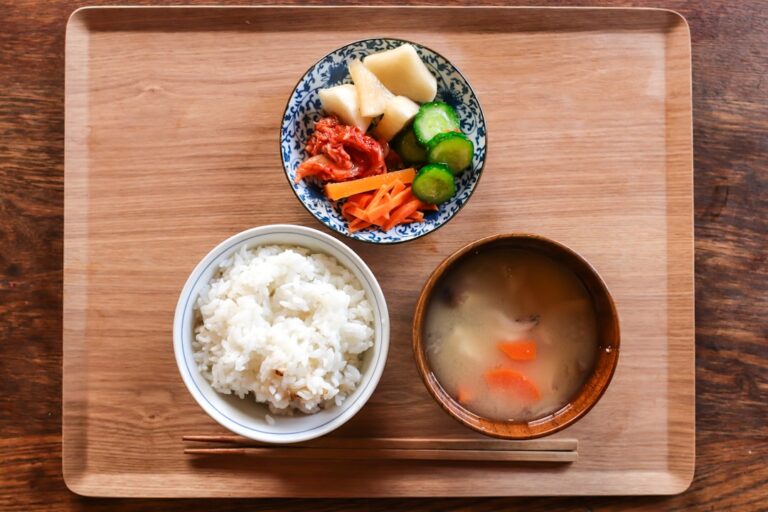
Food & Culture
Discover 12 less-obvious Japanese foods, what they taste like, where they come from and which travelers are most likely to enjoy them.
Read guide →