Things to Do
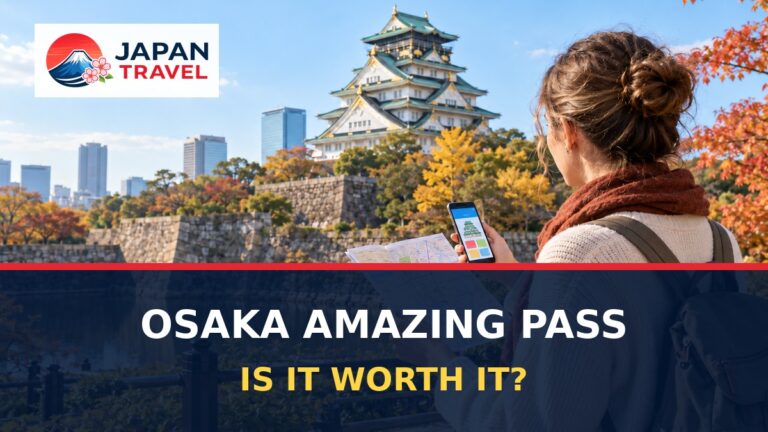
Is the Osaka Amazing Pass Worth It? 2026 Price and Break-Even Guide
Is the Osaka Amazing Pass worth it in 2026? Compare current prices, attraction value, transport alternatives and realistic break-even itineraries.
Read guide →
Choose experiences that fit you
Find activities by interest, time and traveler type — from culture and nature to family days, shopping and memorable day trips.
Browse the guidesJapan has far more to do than a list of famous attractions. Use this page to choose experiences by what you enjoy, how much time you have, who you are traveling with and what is genuinely worth fitting into the route.
Kyoto is the obvious starting point for major temples, gardens and historic streets, but it is not the only option. Nara combines Todaiji, Kasuga Taisha and parkland in an easy day trip. Hiroshima adds the Peace Memorial area and nearby Miyajima, while neighborhoods such as Tokyo’s Asakusa offer traditional atmosphere without leaving a major city.
Tokyo offers the deepest choice: Akihabara for electronics and anime culture, Ikebukuro for character and pop-culture shopping, Shibuya and Harajuku for fashion and youth culture, and Odaiba/Toyosu for modern waterfront attractions. Osaka’s Den Den Town is a useful Kansai alternative.
Hakone is useful when you want an easy break from Tokyo with onsen, Lake Ashi and possible Mount Fuji views. The Fuji Five Lakes area is stronger when Mount Fuji itself is the priority. Nara adds open parkland to a cultural day, while regional destinations can provide hiking, coastlines, mountains and rural landscapes that contrast with Tokyo and Osaka.
For a practical Tokyo escape, read Hakone Day Trip from Tokyo.
Food can be an activity rather than something squeezed between attractions. Explore markets, depachika food halls, izakaya, regional specialties and food neighborhoods. Use the Food & Culture section when food itself is the reason for the outing.
Choose shopping areas according to what you actually want: kitchenware, crafts, vintage clothing, electronics, anime goods, department stores or edible souvenirs. A specialist neighborhood is often more rewarding than spending half a day inside a generic mall. See Unique Japanese Shopping Experiences Beyond the Malls.
Do not build a family itinerary as a smaller version of an adult sightseeing schedule. Mix high-interest attractions with parks, interactive museums, aquariums, character experiences and enough downtime. Theme parks such as Tokyo Disney Resort and Universal Studios Japan generally deserve most or all of a day rather than being combined with several distant attractions. Use our Japan theme parks and fun attractions guide to compare the main options by traveler type and location.
For younger children, fewer transfers and a flexible meal/rest period can be more valuable than adding one more famous sight. We will expand this section with dedicated family and kids guides rather than burying family advice inside destination pages.
A good day trip gives you an experience that your base city cannot. Nara works for temples, parkland and deer; Hakone for onsen and mountain scenery; the Fuji Five Lakes for stronger Mount Fuji-focused sightseeing; and Miyajima for an island, shrine and landscape experience. Avoid adding a day trip merely because it appears on a standard itinerary.
Useful current guides include Nara Day Trip from Kyoto or Osaka, Hakone Day Trip from Tokyo and Hiroshima & Miyajima in Two Days.
You do not need a ticket for every memorable experience. Neighborhood walks, many shrine grounds, parks, markets, shopping streets, architecture, waterfronts and seasonal scenery can balance expensive attractions. A day with one paid priority and several flexible nearby experiences is often easier than stacking timed tickets from morning to night.
Evening planning deserves its own space. Shinjuku and Shibuya offer very different Tokyo nights; Namba and Dotonbori make Osaka easy after dark; Kyoto is better suited to slower walks, dining and atmospheric streets. Nightlife guides should explain atmosphere, transport home, typical costs and who each area suits rather than simply listing bars.
Cherry blossoms, autumn foliage, festivals, illuminations, snow activities and seasonal gardens can transform an itinerary, but exact timing varies. Treat highly seasonal experiences as conditions to monitor rather than guarantees. Build a backup activity into days that depend heavily on weather or bloom conditions.
Prioritize advance booking for high-demand theme parks, limited-capacity experiences and timed-entry attractions that are central to your trip. Flexible neighborhoods, parks and many outdoor sights do not need the same commitment. Always confirm the exact date, entry time, cancellation terms and current operating information before paying.
Choose one or two priorities, add nearby flexible experiences, then leave room for meals, queues, weather and discoveries. Japan Travel’s Things to Do section will continue expanding around activities and traveler interests—family travel, culture, pop culture, nature, shopping, nightlife, free activities, seasonal experiences and day trips—rather than simply sending you to destination hubs.
Choose a product that fits your trip, check the offer’s residence and package restrictions, then enter the relevant code at checkout.
Code: AUTUMNSEADEAL
Only for residents of Singapore, Malaysia, Philippines, Indonesia and Vietnam. One use per user. Selected standard-priced packages only; cannot be combined with existing discounts or other promotions. Confirm your chosen attraction qualifies at checkout.
Book by November 1, 2026, 12:59 am Japan time (JST, GMT+9) (Klook deadline: October 31, 2026, 11:59 pm GMT+8).
Check AUTUMNSEADEAL on Klook →
Limited redemptions may run out early. Expired offers should not be used. The discount must appear in the final total before you pay; Klook’s current eligibility and exclusions apply. Affiliate links: we may earn a commission on eligible bookings at no extra cost to you.
Explore the collection
New articles assigned to this section appear here automatically, so the hub grows as Japan Travel publishes more practical guides.
Things to Do
Is the Osaka Amazing Pass worth it in 2026? Compare current prices, attraction value, transport alternatives and realistic break-even itineraries.
Read guide →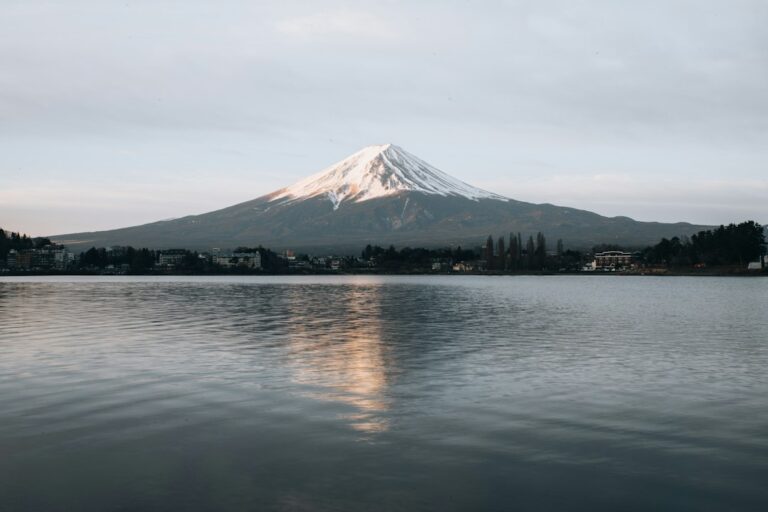
Things to Do
Compare Mount Fuji day tours from Tokyo by itinerary, group size, flexibility and weather risk to choose the right Fuji experience for your trip.
Read guide →
Things to Do
Plan a Hakone day trip from Tokyo with a practical sightseeing loop, transport strategy, onsen options and advice for Mount Fuji views.
Read guide →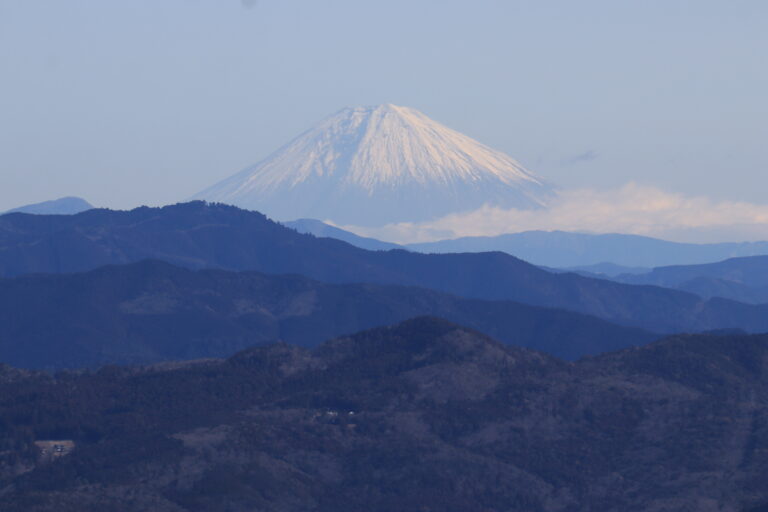
Things to Do
Planning a Mount Fuji or Hakone day trip from Tokyo? Compare Fuji Five Lakes and Hakone, whether you can visit both in one day,…
Read guide →
Things to Do
Plan a smoother family trip to Japan with practical advice on pacing, transport, accommodation, meals, attractions, luggage, downtime and age-appropriate itinerary choices.
Read guide →
Things to Do
Looking for things to do in Kyoto with kids? Plan a realistic family trip with Fushimi Inari, Arashiyama, Higashiyama, food stops, compact sightseeing days,…
Read guide →
Things to Do
Planning a family vacation in Osaka? Compare kid-friendly areas, how many days to stay, Universal Studios Japan, Nara day trips, transport, food and realistic…
Read guide →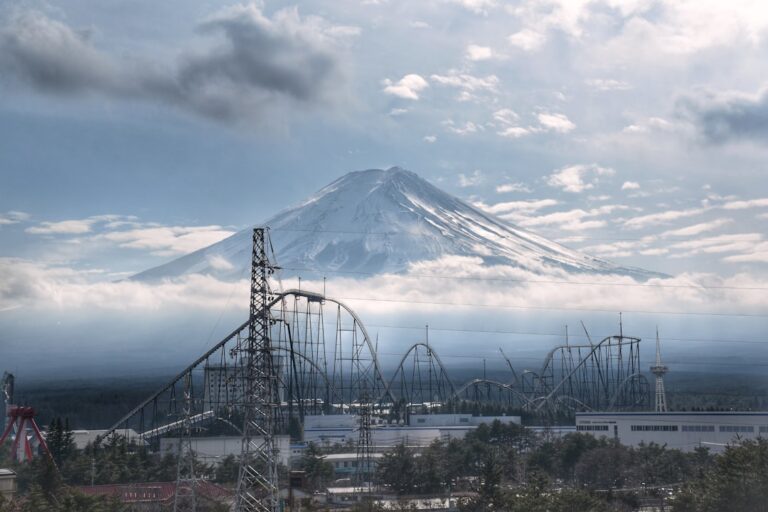
Things to Do
Compare Japan's major theme parks and fun attractions by traveler type, location and how much of your itinerary they deserve.
Read guide →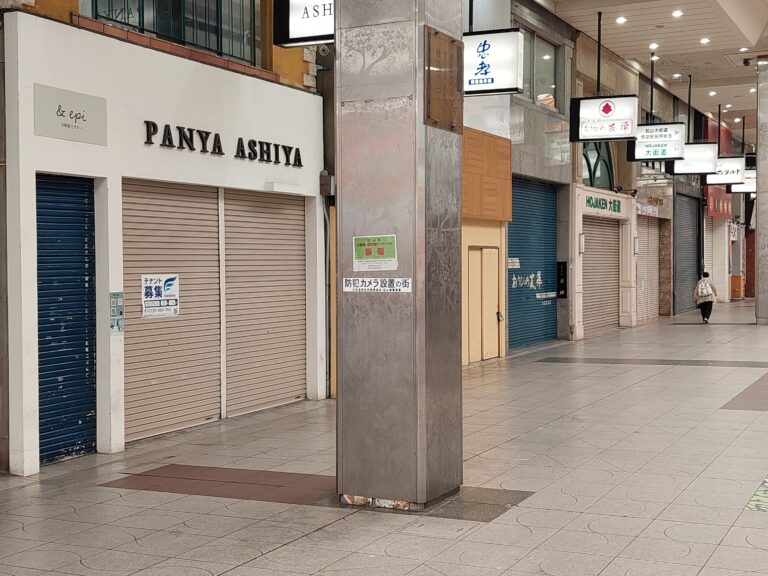
Things to Do
Discover Japan's best shopping experiences beyond department stores, from shotengai and markets to specialty districts and neighborhood stores.
Read guide →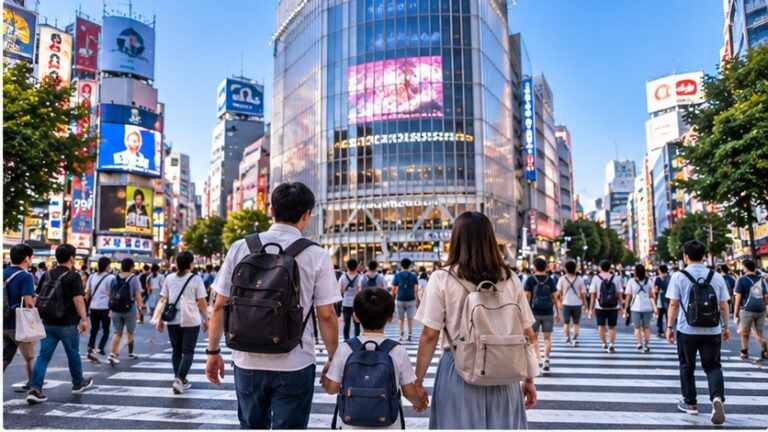
Things to Do
Plan Tokyo with kids using practical neighborhood-based days, family-friendly pacing, hotel and transport advice, rest time and realistic attraction planning.
Read guide →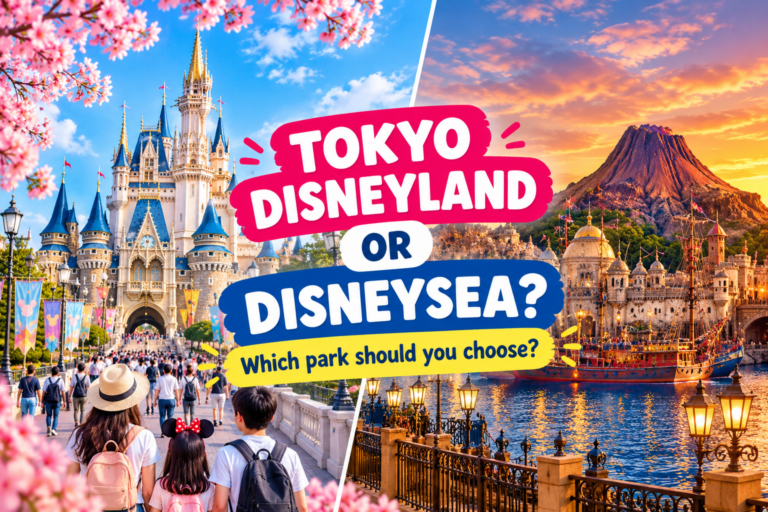
Things to Do
Tokyo Disneyland or DisneySea? Compare atmosphere, families, adults, ticket costs and itinerary trade-offs to choose the right Tokyo Disney park.
Read guide →