
The Osaka Amazing Pass looks simple: one digital ticket for transport and dozens of attractions. The real decision is whether your actual sightseeing day is busy enough to justify the price. A pass can save money when you combine two or three higher-priced attractions in a logical route, but it can also encourage unnecessary travel and rushed stops.
The short answer: buy the one-day Osaka Amazing Pass if you plan at least two high-value included attractions plus several train or bus rides. Skip it if your day centers on free neighborhoods, shopping, food or only one paid attraction. The two-day pass is easier to justify for two consecutive full Osaka sightseeing days, but it is not a flexible 48-hour ticket.
Osaka Amazing Pass prices in 2026
For the current sales period from March 25, 2026 to March 31, 2027, the standard pass costs ¥3,500 for one day or ¥5,000 for two consecutive days. Both include unlimited travel on Osaka Metro, Osaka City Bus and selected private railway sections mainly within Osaka City, plus entry to approximately 40 participating attractions. The official pass page is the best place to confirm the latest price and coverage before buying.
| Option | Current adult price | Best for | Main limitation |
|---|---|---|---|
| Osaka Amazing Pass, 1 day | ¥3,500 | Two or three paid attractions in one efficient day | Value disappears if attractions close, sell out or are too far apart |
| Osaka Amazing Pass, 2 days | ¥5,000 | Two consecutive full sightseeing days | Calendar-style consecutive days, not 48 hours from activation |
| Enjoy Eco Card | ¥820 weekday; ¥620 weekend/holiday | Many Metro or city-bus rides without costly attractions | Attraction discounts, not broad free admission |
| ICOCA or individual tickets | Pay as used | Flexible, slower days and free neighborhoods | No bundled attraction savings |
Osaka Metro’s current Enjoy Eco Card price is ¥820 on weekdays and ¥620 on Saturdays, Sundays and holidays. It includes unlimited Osaka Metro and Osaka City Bus use, with some exclusions, plus discounts at participating facilities. That makes it a useful comparison: if transport is your main need, the cheaper Metro pass can be more sensible than paying for the full attraction bundle.
The fastest way to tell whether the pass pays off
Start with the attractions you genuinely want to visit, not the longest possible list. Add their normal admission prices, then add the transport you would otherwise buy. If the total is comfortably above the pass price, the pass may be worthwhile. Leave a margin for a closure, long queue, bad weather or change of plans.
Example 1: a strong one-day pass plan
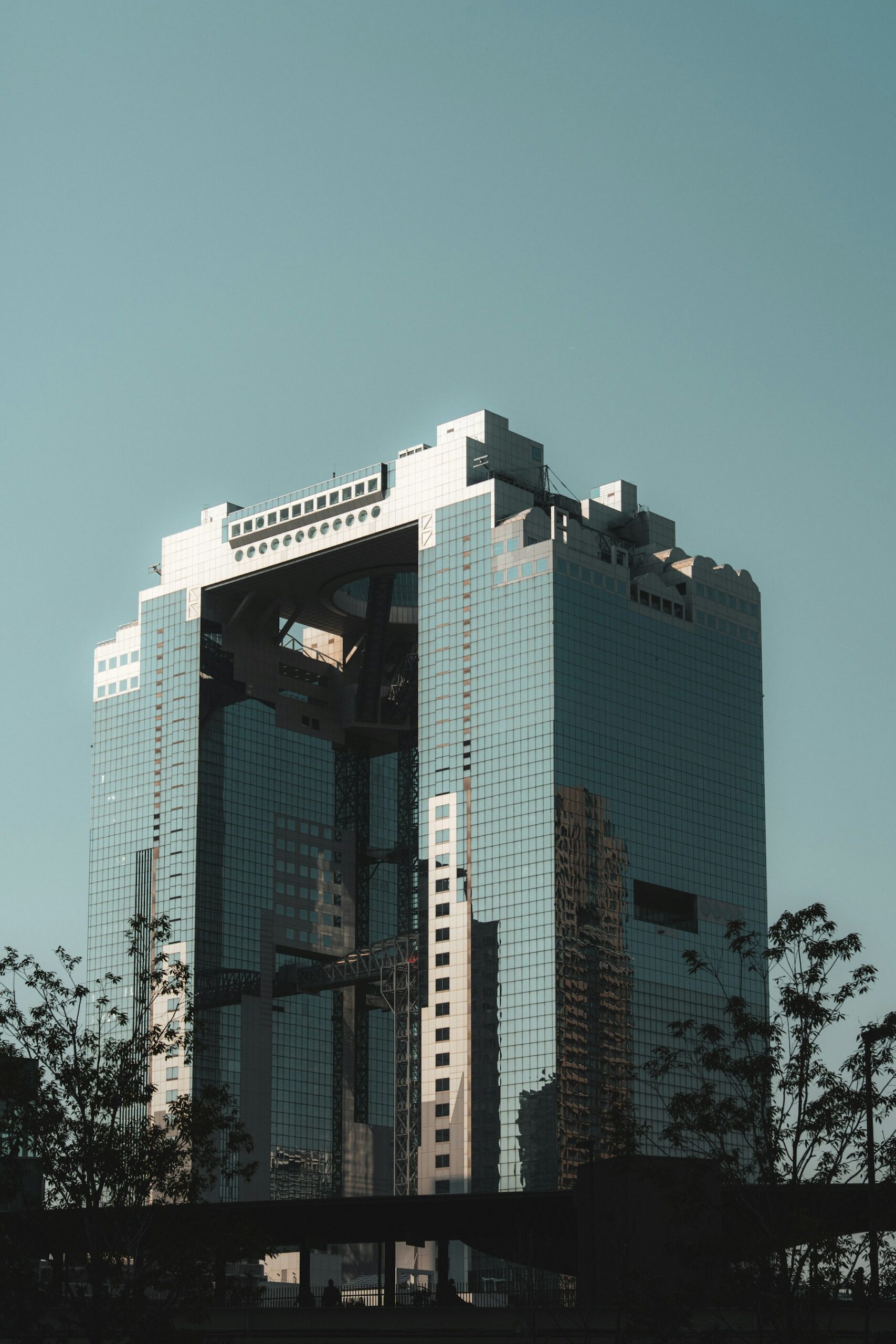
- Umeda Sky Building Kuchu Teien Observatory before 3:00 p.m.: reference admission ¥2,000
- HEP FIVE Ferris Wheel: reference admission ¥1,000
- Osaka Castle Museum: reference admission ¥1,200
- Several covered rides between Umeda and the Osaka Castle area
The attractions alone total about ¥4,200, before transport. This is the type of plan where the one-day pass has a clear financial case, provided the attractions are open and you are comfortable with the pace.
Example 2: Osaka Castle and Dotonbori
- Osaka Castle Museum: reference admission ¥1,200
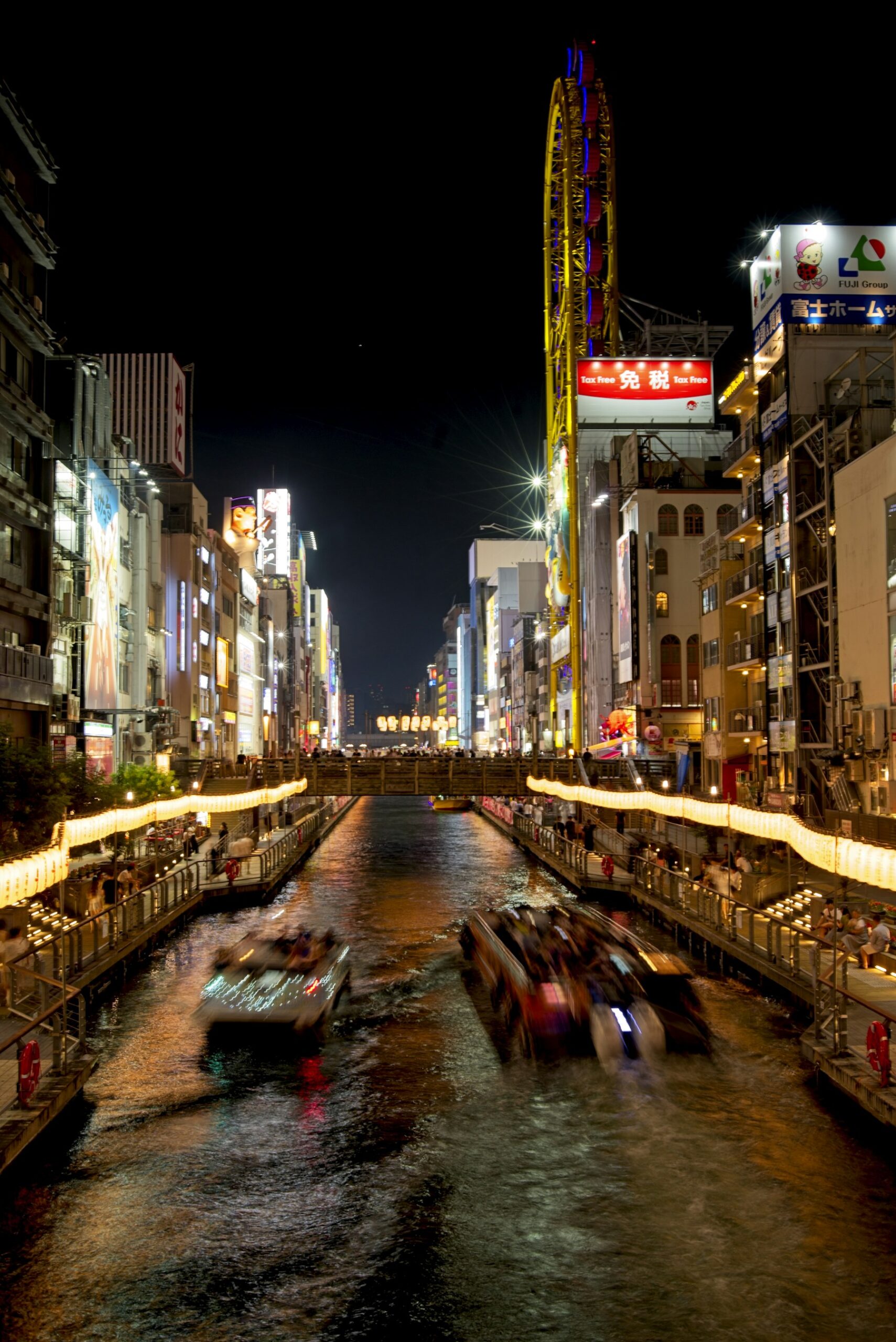
- Tombori River Cruise: reference adult admission ¥2,000
- Covered transport between the castle area, Namba and another included stop
The two headline attractions total about ¥3,200. A few covered rides can push the value beyond ¥3,500, so the pass can work. However, the river cruise requires exchanging the pass for a designated boarding time on the day. Evening cruises can fill, so collect the boarding ticket earlier rather than arriving at the last minute.
Example 3: a relaxed food and neighborhood day
If your plan is Osaka Castle Park from outside, Kuromon Market, Shinsaibashi, Dotonbori, cafés and shopping, most of the day is free. Pay for individual Metro rides with an ICOCA or another compatible IC card, or use the Enjoy Eco Card if you expect many rides. The Osaka Amazing Pass is unlikely to improve this day.
Who should buy the Osaka Amazing Pass?
- First-time visitors with a full sightseeing day: especially when Osaka Castle, an observation deck, a cruise or Tsutenkaku are already priorities.
- Travelers who like structured days: the pass works best when you can commit to opening times and a sensible route.
- Visitors staying centrally: Namba, Umeda and other well-connected bases make it easier to start early and reduce wasted travel.
- Adults planning higher-priced attractions: adult admission savings are usually easier to stack than child savings.
Who should skip it?
- Food, shopping and neighborhood travelers: many of Osaka’s best experiences do not charge admission.
- Slow travelers: one major attraction plus an unhurried neighborhood is often better paid separately.
- Families with younger children: standard pass prices are the same for adults and children, while many attractions charge lower child admission or admit very young children free.
- Visitors focused on Universal Studios Japan: USJ is a full-day commitment and is not the kind of day to combine with a city attraction pass.
- Anyone with uncertain weather-dependent plans: cruises, outdoor viewpoints and some activities can change or close.
Important 2026 restrictions before you buy
- Umeda Sky Building: free admission with the pass currently applies only until 3:00 p.m.; after that, the pass provides a 10% discount instead.
- Osaka Museum of Housing and Living: the official pass list currently shows a temporary closure from September 1, 2026 through January 5, 2027.
- Tombori River Cruise: exchange for a designated time slot on the day; popular evening departures can sell out.
- Tsutenkaku: a time slot is required, and the tower and slider have separate conditions.
- Digital activation: the standard one- and two-day passes treat a day as 3:00 a.m. to 2:59 a.m., not a rolling 24-hour period. Do not activate between midnight and 2:59 a.m.
- Phone access matters: you use the digital QR ticket at compatible gates and attractions, so keep your phone charged and connected.
Opening hours, participating facilities and exclusions can change. Check the official participating-attractions list again shortly before your visit.
One-day or two-day pass?
The one-day pass suits a concentrated highlights day. The two-day pass reduces the daily cost to ¥2,500, making it easier to justify if you genuinely have two consecutive Osaka sightseeing days. It also lets you avoid cramming every included attraction into one day.
Do not buy the two-day version merely because your hotel stay is two nights. If one day is reserved for Kyoto, Nara or Universal Studios Japan, the consecutive-day rule may waste half the pass. Compare the Osaka 2-day itinerary and decide which paid attractions naturally fit together.
A sensible pass itinerary
- Morning: Osaka Castle Museum when it opens, with enough time for the grounds.
- Early afternoon: travel to Umeda and enter Umeda Sky Building before the 3:00 p.m. pass cutoff.
- Late afternoon: use HEP FIVE Ferris Wheel or another nearby included attraction if it interests you.
- Evening: continue to Namba and Dotonbori; take the river cruise only if you secured a boarding time earlier.
This route is active but geographically understandable. Remove a stop if the day begins to feel like a race. A pass should reduce decision stress, not turn Osaka into a checklist.
What about the KIX airport version?
A separate 28-hour Kansai International Airport version currently costs ¥5,300 and includes a one-way Nankai Railway trip from Kansai Airport to Namba plus city transport and participating attractions. It can suit an early arrival followed by sightseeing, but only if your hotel, energy and arrival time make that realistic. Read the Kansai Airport to Osaka comparison before bundling the airport ride with a pass.
Final verdict
The Osaka Amazing Pass is worth it for a planned attraction day, not automatically for every Osaka visitor. The one-day version has a convincing break-even point when you combine two higher-priced attractions with transport. The two-day version is better for travelers who want a less rushed pace across two consecutive city days.
Skip the pass when your priority is eating, shopping, free neighborhoods or one paid attraction. Start with the Osaka Travel Guide, compare Kyoto or Osaka as your base, and build the day you want before calculating the pass.
Book only after checking your route
If the pass fits your plan, compare Osaka attraction passes and tickets on Klook. If you still need accommodation, compare Osaka hotels on Booking.com or browse Osaka hotels on Agoda.
Affiliate disclosure: Japan Travel may earn a commission if you book through selected links, at no extra cost to you. Prices and operating details were checked against official sources on October 22, 2026 and may change.