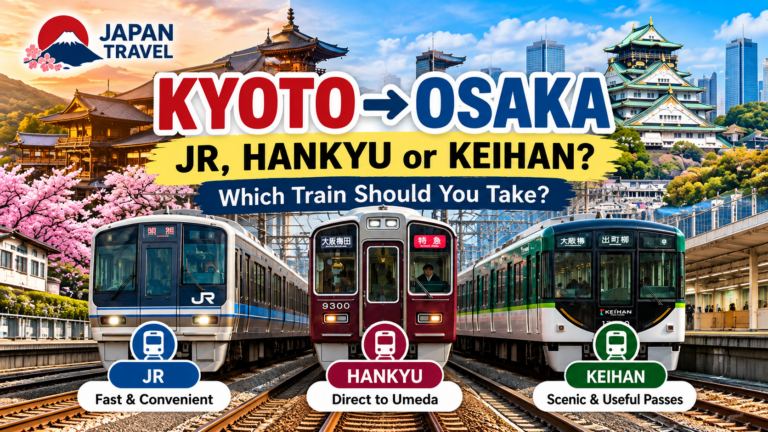

Kyoto and Osaka are close enough that you can visit either city from the other, but they do not feel interchangeable once you start planning mornings, evenings and hotel logistics. The better base is the city that matches the part of Kansai you most want to experience outside the busiest sightseeing hours.
The short answer
- Stay in Kyoto if temples, traditional neighborhoods, early starts and quiet evenings are the heart of your trip.
- Stay in Osaka if food, nightlife, shopping, Universal Studios Japan or convenient late evenings matter more.
- Split your stay when you have at least four or five Kansai nights and genuinely want both cities after dark.
- Choose one base for a short two- or three-night Kansai visit if avoiding hotel changes matters more than experiencing both cities at night.
Kyoto vs Osaka at a glance
| Priority | Better base | Why |
|---|---|---|
| Temples and historic streets | Kyoto | You can start before day-trippers arrive and stay into the quieter evening. |
| Food and nightlife | Osaka | Namba, Dotonbori and Umeda remain part of the experience after sightseeing hours. |
| First-time cultural trip | Kyoto | More of your likely must-see list is within Kyoto itself. |
| Urban energy and shopping | Osaka | Stronger fit for late shopping, entertainment and casual dining. |
| USJ priority | Osaka | Avoids adding an intercity trip before and after a long park day. |
| Few hotel changes | Either | Pick the city where you expect to spend more mornings and evenings. |
Choose Kyoto if sightseeing is your main reason for visiting Kansai
Kyoto rewards early starts. Popular areas such as Higashiyama, Fushimi Inari and Arashiyama feel different before the main daytime crowds arrive. Staying in Kyoto makes those early hours much easier because you are not beginning the day with an intercity train ride.
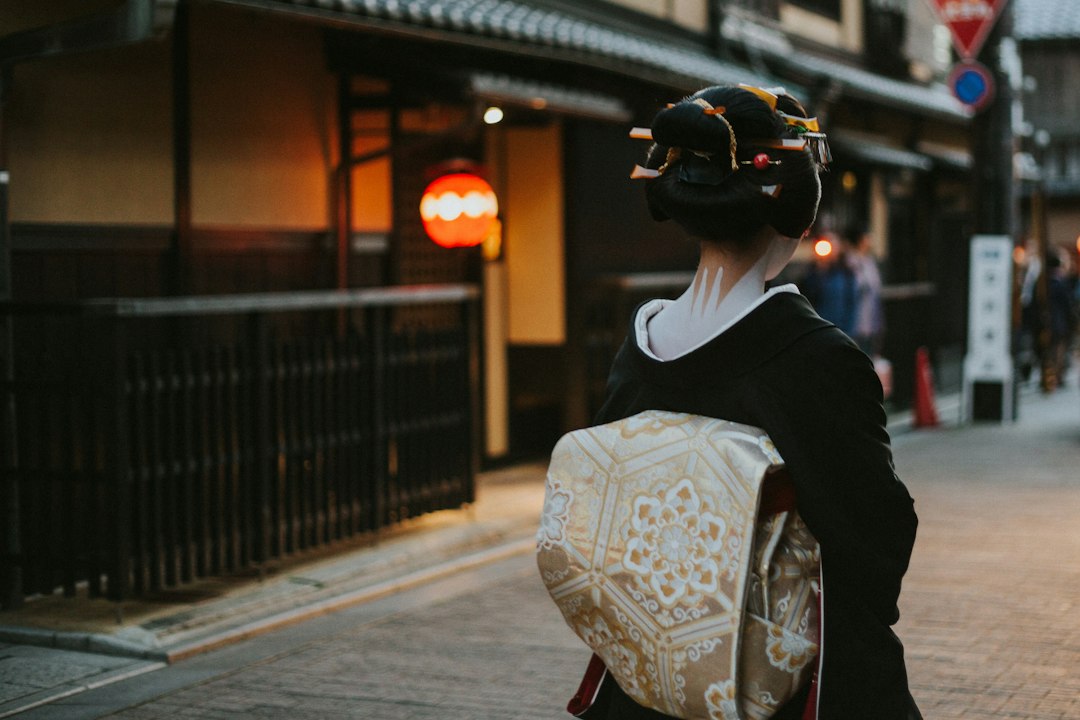
Kyoto also has a strong evening advantage that is easy to underestimate. Once many day visitors leave, a walk through Gion, Pontocho or the Kamo River area can become part of the trip rather than simply the place you visited during the day. If this sounds like your travel style, see our guide to the best areas to stay in Kyoto.
Best Kyoto areas for different travelers
Kyoto Station is the practical choice for rail-heavy itineraries and travelers making day trips. Downtown Kyoto around Kawaramachi and Karasuma balances restaurants, shopping and transport. Gion/Higashiyama is the atmosphere-first choice when traditional streets and eastern Kyoto sights are the priority.
Choose Osaka if your trip continues after dinner
Osaka makes more sense when you want your base to be part of the entertainment. Namba and Dotonbori are especially convenient for travelers who want street food, restaurants and nightlife within walking distance of their hotel. Umeda is a better fit when rail connections and a polished city-center atmosphere matter more.
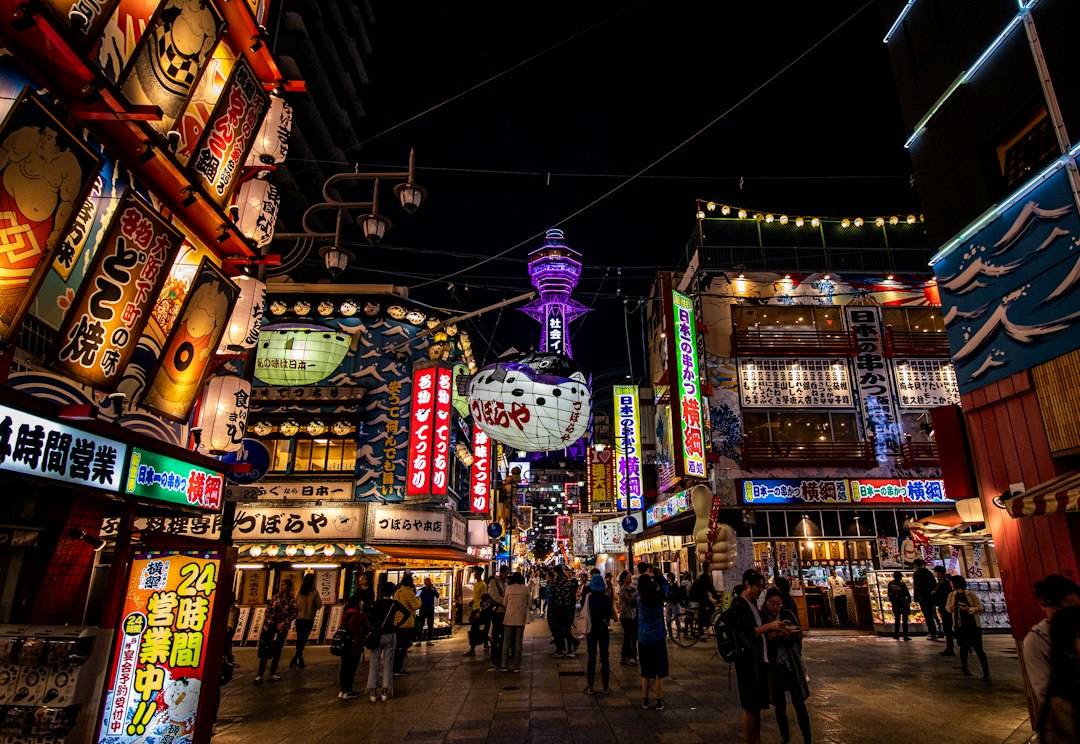
Osaka is also the obvious base when Universal Studios Japan is a major priority. A full theme-park day is tiring enough without adding unnecessary travel at both ends. Families may also want our Osaka with kids guide.
What about commuting between Kyoto and Osaka?
It is completely realistic to stay in one city and visit the other. The important detail is that “Kyoto to Osaka” is not one single journey: your best railway depends on the neighborhoods you are actually traveling between. JR is useful around Kyoto Station and Osaka/Umeda, Hankyu can be convenient for central Kyoto and Umeda, while Keihan is useful for parts of eastern Kyoto. Our Kyoto–Osaka train comparison explains which line fits which trip.
That flexibility is why a short Kansai trip does not automatically require changing hotels. But commuting every day can become tedious if most of your itinerary is in the other city. Count door-to-door time from your actual hotel, not only the headline train time.
Should you split your stay?
For four or five nights in Kansai, a split stay can be worthwhile when you genuinely want both Kyoto mornings and Osaka nights. A common pattern is two or three nights in Kyoto followed by two nights in Osaka. It works particularly well when Osaka is your final stop before continuing west or heading to Kansai International Airport.
For only two or three nights, moving hotels can consume more of the trip than expected. Packing, checkout, luggage handling and waiting for the next room all have a cost in time even when the cities themselves are close. In that case, choose one base and make a deliberate day trip.
Hotel booking: compare the location, not only the price
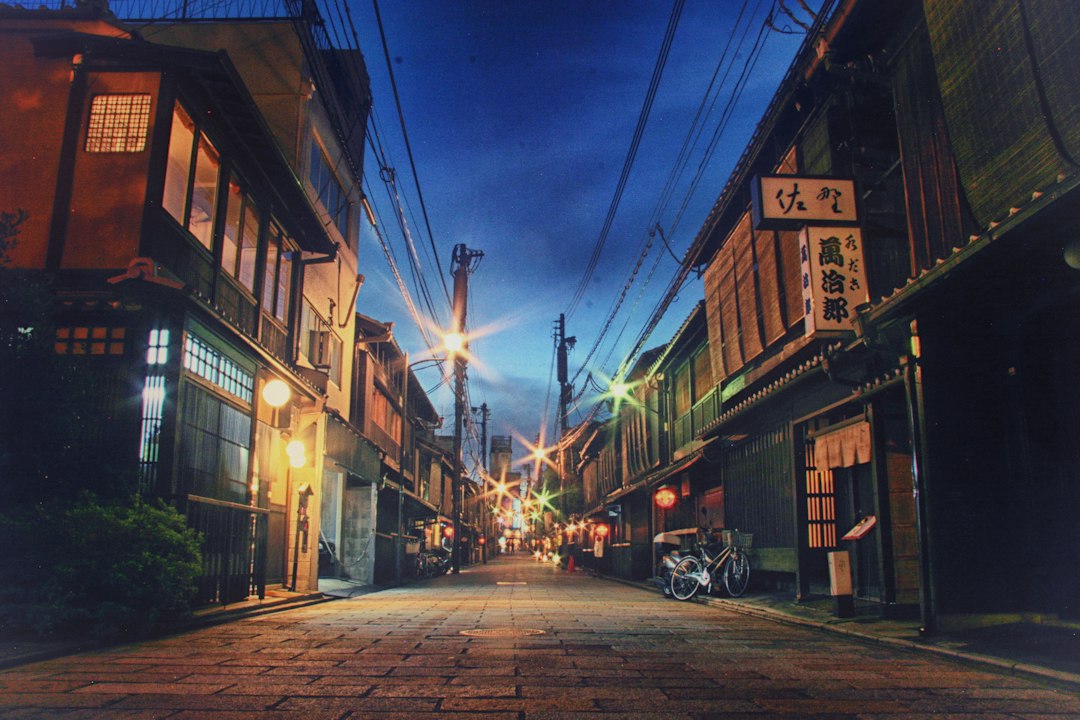
In Kyoto, a cheaper hotel far from the sights you plan to visit can create repeated bus or subway transfers. In Osaka, a hotel advertised simply as “Osaka” may not give you the late-night convenience you expected. Check the map and nearest station before paying.
Kyoto: compare Kyoto hotels on Booking.com or compare Kyoto hotels on Agoda.
Osaka: compare Osaka hotels on Booking.com or compare Osaka hotels on Agoda.
Our decision rule
If your ideal Kansai morning begins at a temple or historic street, choose Kyoto. If your ideal Kansai evening ends with food, shopping and city lights, choose Osaka. If both descriptions feel essential and you have enough nights, split the stay. Otherwise, resist changing hotels just because the cities have different names on your itinerary.
For a broader route, combine this decision with our Osaka 2-day itinerary, Kyoto family guide and Japan luggage strategy.
Need mobile data for maps and train navigation? Check Japan eSIM options with Saily.
Affiliate disclosure: Japan Travel may earn a commission if you book through selected links, at no extra cost to you. We only include services relevant to this planning decision.