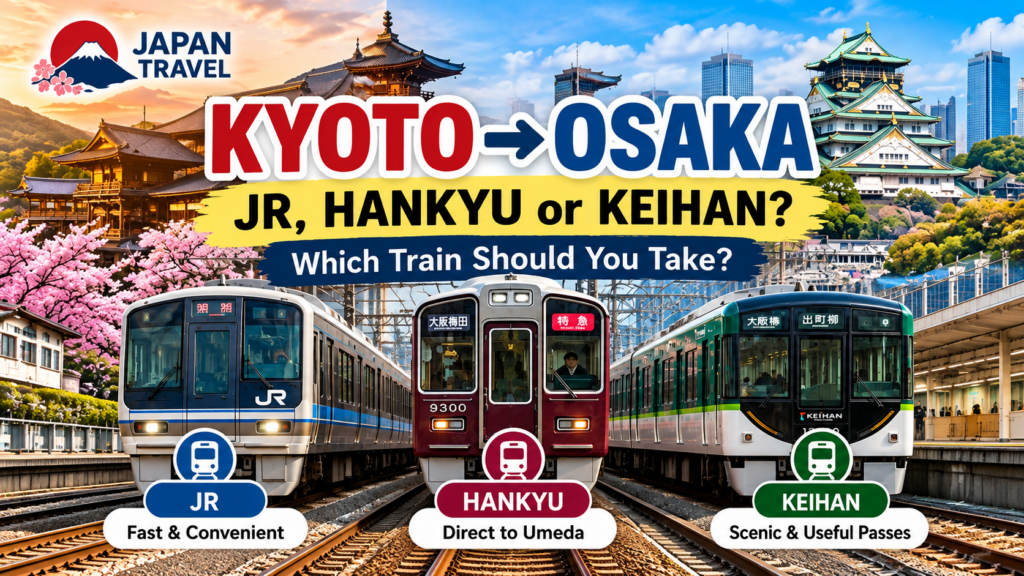
Kyoto and Osaka are close enough that choosing the “best” train is less about raw speed and more about where you are starting and where you actually want to arrive. JR, Hankyu and Keihan all connect the two cities, but they serve different neighborhoods.
Quick decision: use JR for Kyoto Station ↔ Osaka/Umeda and easy Shinkansen connections; use Hankyu for central Kyoto/Kawaramachi ↔ Osaka-Umeda; use Keihan for Gion, Sanjo, Fushimi Inari or eastern Kyoto ↔ Yodoyabashi/Kitahama/Kyobashi.
Kyoto to Osaka trains at a glance
| Route | Best for | Main Kyoto side | Main Osaka side |
|---|---|---|---|
| JR Kyoto Line | Fast, simple city-to-city transfer | Kyoto Station | Osaka Station / Umeda |
| Hankyu Kyoto Line | Downtown Kyoto to Umeda | Kyoto-Kawaramachi | Osaka-Umeda |
| Keihan Main Line | Gion/east Kyoto and sightseeing stops | Gion-Shijo, Sanjo, Fushimi Inari area | Kyobashi, Temmabashi, Kitahama, Yodoyabashi |
| Shinkansen | Specific Shin-Osaka connection needs | Kyoto Station | Shin-Osaka |
Choose JR if you are using Kyoto Station
For travelers staying near Kyoto Station, JR is usually the most straightforward option. The JR Kyoto Line runs directly toward Osaka Station, putting you in the Umeda/Kita area without needing to cross Kyoto first.
JR is also the logical choice when your Osaka hotel is around Umeda or when you are connecting onward through Shin-Osaka. You generally do not need the Shinkansen just to travel between central Kyoto and central Osaka; the conventional JR route is already practical for most visitors.
Choose Hankyu for Kawaramachi to Umeda
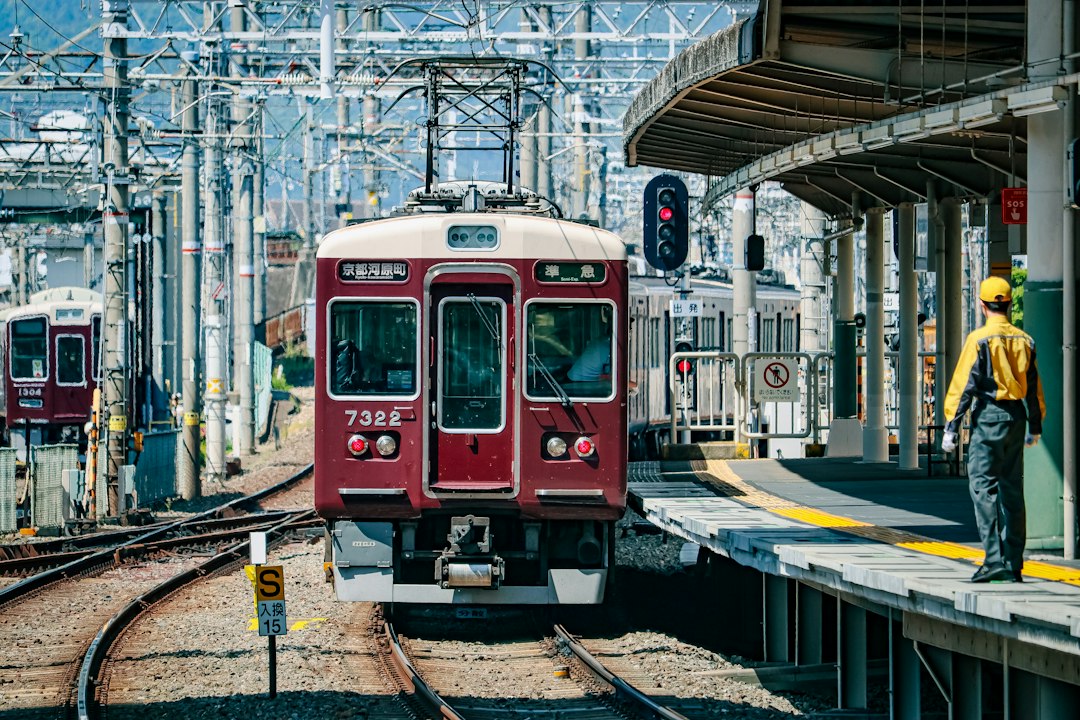
Hankyu becomes especially attractive when you are already around Shijo-Kawaramachi, central Kyoto or western sightseeing areas. Instead of traveling back to Kyoto Station, you can leave from Kyoto-Kawaramachi and arrive at Osaka-Umeda.
That can save more door-to-door time than choosing a nominally faster train from a station that is inconvenient for your hotel. Hankyu also offers the optional PRiVACE reserved-seat service on the Kyoto Line for an additional charge on eligible trains; ordinary services do not require it.
Choose Keihan for Gion, Sanjo or Fushimi Inari
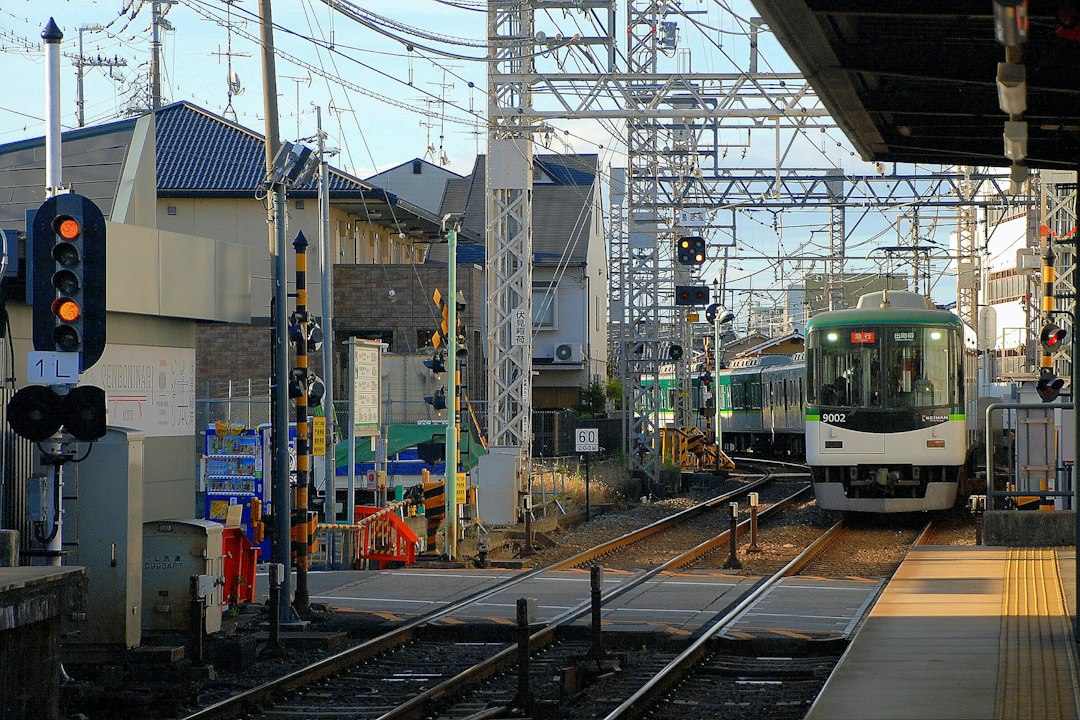
Keihan is often overlooked by first-time visitors because it does not use Kyoto Station. That is exactly why it can be useful. Its Kyoto-side stations line up well with Gion-Shijo, Sanjo, Kiyomizu-Gojo, Tofukuji and Fushimi Inari.
On the Osaka side, the line serves Kyobashi, Temmabashi, Kitahama and Yodoyabashi. If your sightseeing day begins or ends near eastern Kyoto, Keihan can avoid an unnecessary cross-city transfer.
Keihan currently lists a Kyoto–Osaka Sightseeing Pass at ¥1,650 for one day and ¥1,850 for 24 hours, covering unlimited travel in the specified Keihan area. A separate 1-day version that also covers Osaka Metro and eligible Osaka City Bus services is listed at ¥2,160 for the 2026 fiscal-year offer. A pass only makes sense if your actual rides add up; for a simple one-way transfer, compare the ordinary fare first.
Should you take the Shinkansen from Kyoto to Osaka?
Usually not for a normal city-center transfer. The Shinkansen runs from Kyoto Station to Shin-Osaka, not Osaka Station, Namba or Dotonbori. After arriving at Shin-Osaka you may still need another train or subway.
It can make sense when you already have an eligible rail product, are making a specific connection at Shin-Osaka, or the few minutes saved fit a longer rail journey. Otherwise, conventional trains are normally simpler.
The door-to-door rule matters more than the train brand
Before buying anything, check your hotel station on both ends. A traveler staying near Gion and moving to a hotel near Yodoyabashi may find Keihan much easier than going via Kyoto Station. Someone moving from a Kyoto Station hotel to Umeda will usually find JR more natural. From downtown Kyoto to Umeda, Hankyu can be the cleanest route.
What about luggage?
All three systems can be busy, especially during commuter periods. If you are changing hotels with large suitcases, avoid peak times when possible and consider forwarding large luggage when your itinerary makes that worthwhile. See our Japan luggage forwarding and storage guide before deciding to carry everything on the train.
Can you use an IC card?
For ordinary eligible local rail journeys, a compatible IC card is usually the easiest way to pay without buying a paper ticket each time. If you are unsure whether to use Suica, PASMO or ICOCA, see our IC card comparison.
Where should you stay?
If this transfer is part of a multi-city trip, location can matter more than a small difference in room price. Compare neighborhoods in our Kyoto accommodation guide and Osaka travel guide.
Check Kyoto stays on Booking.com · Check Osaka stays on Booking.com
For attractions and bookable experiences, you can also compare Kyoto activities on Klook and Osaka activities on Klook.
Affiliate disclosure: Japan Travel may earn a commission from qualifying bookings made through some links, at no extra cost to you.
Bottom line
Kyoto Station → Osaka/Umeda: start with JR. Downtown Kyoto/Kawaramachi → Umeda: compare Hankyu. Gion/Sanjo/Fushimi Inari → central-eastern Osaka: check Keihan first. Use the Shinkansen mainly when Shin-Osaka itself is useful to your journey.
Transport prices, timetables and service patterns can change. This guide was reviewed in October 2026; check the railway operator before travel.
Official references
Hankyu Railway · Keihan Kyoto–Osaka sightseeing passes · Keihan Premium Car