

Japan can be an excellent family destination, but a good trip with children is usually planned differently from an adults-only itinerary. The biggest improvements come from slower pacing, fewer hotel changes, shorter transfer days and realistic rest time.
Start with a family-friendly route
For a first trip, it is usually better to choose two or three main bases than to change cities every night. Tokyo and Kyoto work well as a simple first-time combination, while Osaka can be added when food, Universal Studios Japan or a Kansai base matters. Hakone can work as an overnight break if your children are comfortable with the extra transfer.
Use the Start Here guide to choose a realistic route, then compare the Japan Itineraries by trip length.
How many activities should you plan each day?
For most families, one major attraction plus one or two flexible nearby activities is more realistic than a tightly packed sightseeing list. Long station walks, queues, meals, toilet breaks and unexpected stops all add time.
- Younger children: keep the day geographically compact and leave a clear rest period.
- School-age children: mix cultural sights with interactive attractions, parks, shopping or character experiences.
- Teenagers: give them some choice in the day, especially for food, shopping, pop culture and evening activities.
Choose accommodation for convenience, not only price
With children, a slightly more convenient hotel can be worth more than a cheaper room that requires extra transfers. Prioritize walking distance to a useful station, nearby convenience stores or supermarkets, straightforward access from the airport and enough room for luggage.
Before booking, use Where to Stay in Japan to compare areas by city rather than choosing a hotel only from the nightly price. For the cities in this guide, you can also compare Tokyo hotels or Kyoto hotels for your dates.
Transport with kids
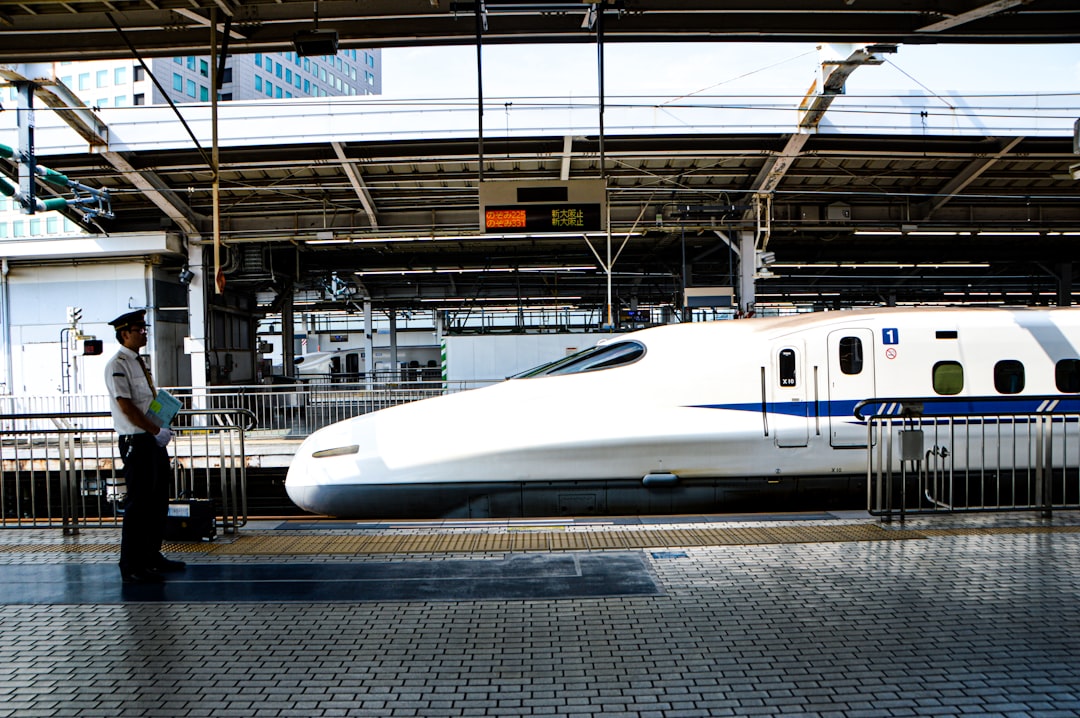
Japan’s rail system is efficient, but large stations can be tiring with children, strollers and luggage. Avoid planning very short transfers between unfamiliar platforms. Elevators can also require a longer route than stairs or escalators.
Read the Japan Transportation Guide before finalizing your hotel locations and intercity days.
Strollers
A compact stroller is useful for younger children, but crowded trains and large stations can make oversized models difficult. If your child can walk part of the day, a lightweight folding stroller is often easier to manage.
Luggage
Traveling light matters even more with children. For multi-city trips, consider luggage forwarding when a large suitcase would make train transfers difficult. See the Japan Luggage Strategy guide.
Food and picky eaters
Japan offers many simple foods that work well for families, including rice dishes, noodles, curry, grilled meats, sandwiches, bakery items and convenience-store meals. Do not assume every restaurant will have a children’s menu, high chair or large table.
For younger or selective eaters, it helps to identify a few dependable foods before the trip and keep snacks available on long sightseeing days.
Family-friendly activities
Theme parks can be a highlight, but they usually deserve most or all of a day. Aquariums, science museums, transport museums, observation decks, parks and interactive exhibits are useful ways to balance temples and historic districts.
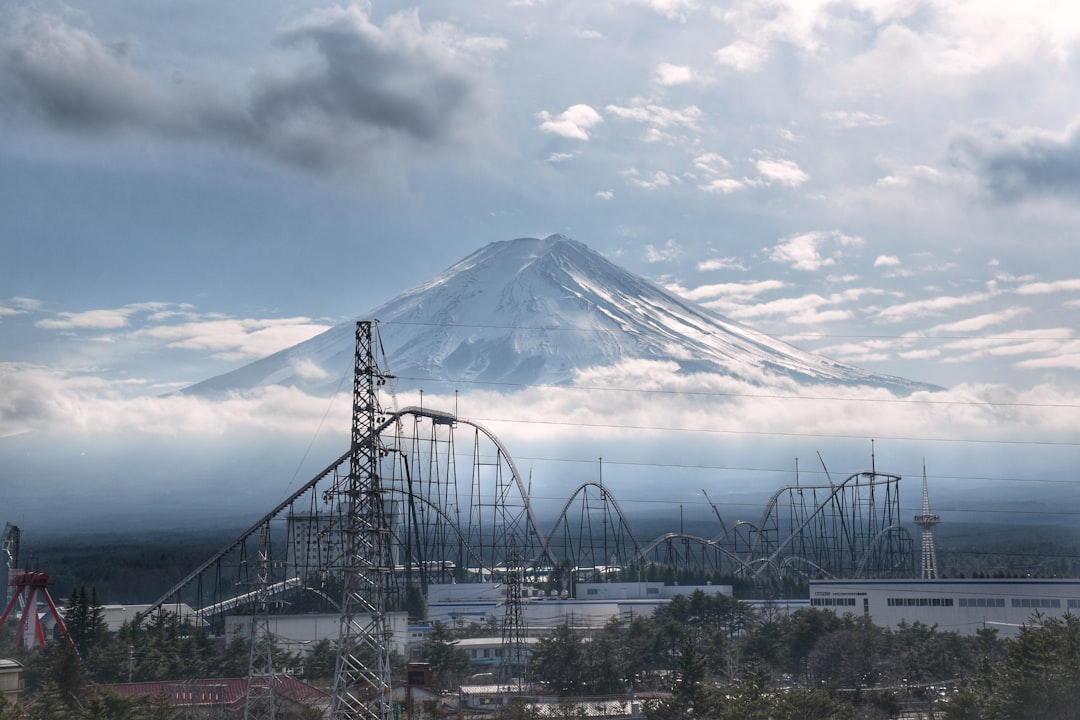
Use Things to Do in Japan and the Japan theme parks and fun attractions guide to compare options.
Tokyo with kids
Tokyo works well for families because different neighborhoods can create very different days. Odaiba and Toyosu are useful for modern attractions and indoor options, Ueno combines museums and park space, and Asakusa can provide a shorter traditional sightseeing day without leaving the city.
See the Tokyo destination hub before building neighborhood-based days.
Kyoto with kids
Kyoto is rewarding, but temple-heavy days can become repetitive for children. Choose a smaller number of major sights and break them up with parks, food stops, craft activities or an easier neighborhood walk.
See the Kyoto destination hub and our Kyoto with Kids family guide for family-friendly sightseeing ideas, compact days and realistic temple pacing.
Osaka with kids
Osaka can be an easy family base because food, entertainment and transport are concentrated in practical areas. It is also useful for families planning Universal Studios Japan or day trips within Kansai.
See the Osaka destination hub and our Osaka with Kids family guide for neighborhood choices, Universal Studios planning, Nara options and realistic family pacing.
Build downtime into the itinerary
Downtime should be planned rather than treated as wasted time. A relaxed afternoon, hotel break, playground stop or easy dinner can make the following day much better. This is especially important after arrival, after a long intercity transfer or after a full theme-park day.
Weather and backup plans
Keep one indoor option for days affected by heavy rain, extreme heat or cold. Summer heat can be especially demanding for younger children, so midday indoor breaks and hydration are important.
Check the Best Time to Visit Japan guide when choosing travel dates.
Family budget planning
Family costs can rise quickly through larger rooms, multiple attraction tickets and intercity transport. Estimate accommodation by the number of rooms your family needs, then add food, local transport and activities by traveler and day. Add major one-off costs such as theme parks or long-distance rail separately.
Use the Japan Travel Budget Guide for a realistic planning range.
A simple rule for a better family trip
If two activities are far apart, choose the one your family cares about more instead of forcing both into the same day. Japan rewards repeat visits, and a trip that leaves everyone with energy is usually better than one that checks the most boxes.
Build a family itinerary
Use the Make Your Own Japan Itinerary builder and choose Family with Kids as the traveler type. The builder can adjust destination recommendations, pacing, route length and the trip budget around your selected family size and interests.
Continue with the city family guides
Reliable mobile data is especially useful for families managing maps, station exits and last-minute schedule changes. Check Japan eSIM options with Saily before departure.
Affiliate disclosure: Japan Travel may earn a commission if you book through selected links, at no extra cost to you.