
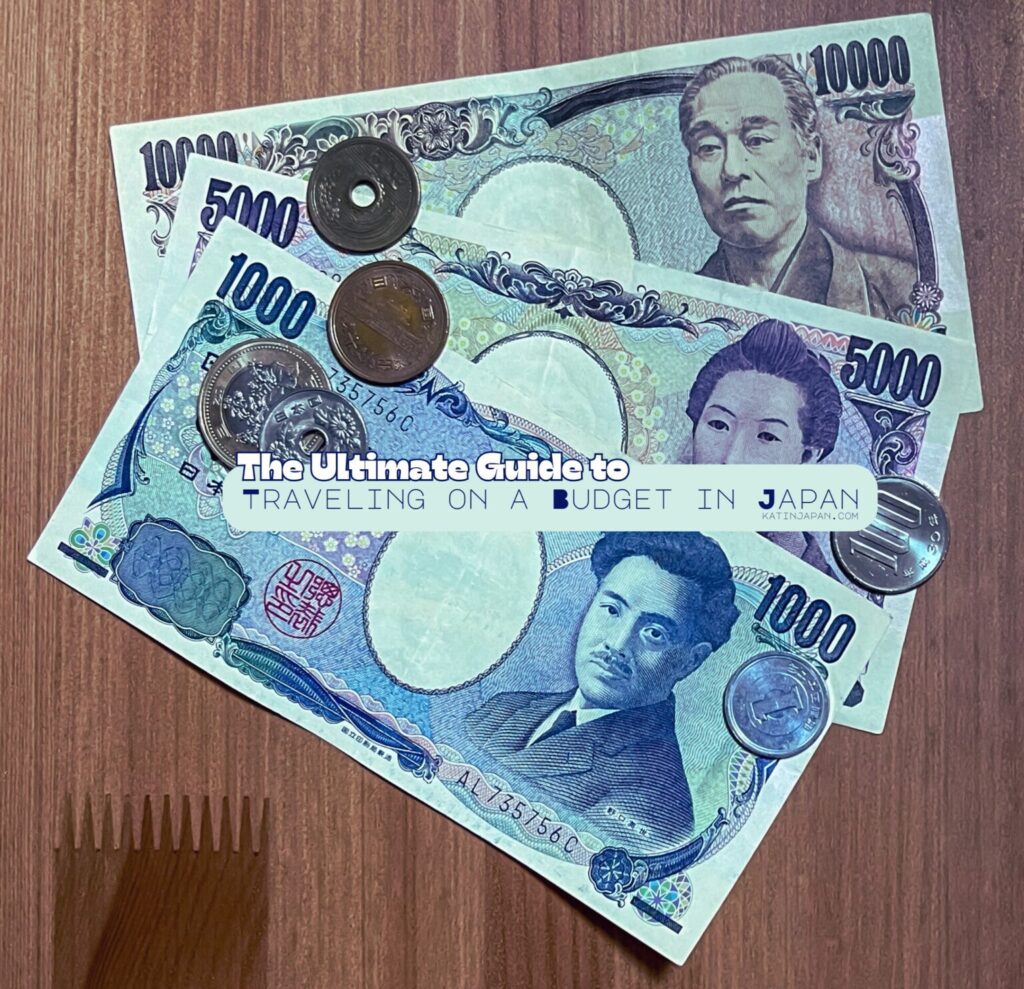
How much does a trip to Japan cost in 2026? The answer depends most on accommodation, route, dining style and how much long-distance transport you use. For a practical starting point, plan around broad daily ranges in Japanese yen, then price your actual hotels and intercity journeys for your dates.
The short answer: for on-the-ground planning, a useful starting estimate is about ¥10,500 per person per day for a budget trip, ¥22,000 for a mid-range trip, or ¥39,000 for a higher-comfort trip. These are planning baselines rather than fixed prices and exclude international flights, major shopping and unusually expensive experiences. Accommodation can move the total significantly during weekends, holidays and peak seasons.
Use the Japan Travel Budget Calculator to estimate your trip by number of days, travelers, travel style, season and display currency.
2026 tax update: Japan’s international tourist tax increased to ¥3,000 per departure on July 1, 2026. See our Japan Tourist Tax 2026 guide for how it is collected and what to add to your trip budget.
A useful daily framework
Use the figures above as a starting point, not a promise of what every traveler will spend. A lower-cost trip can rely on hostels or simple hotels, casual meals and mostly free or inexpensive sights. A mid-range trip usually adds better-located hotels, restaurant meals and selected paid attractions. Higher-comfort trips rise quickly once premium hotels, ryokan stays, guided experiences and frequent long-distance travel are included.
Where the money goes
Accommodation
Hotels are usually the biggest variable. Prices can change sharply by neighborhood, weekday, season and event dates. Use the Where to Stay in Japan guide to compare practical bases by destination, neighborhood and travel style before booking.
Food
Japan does not require expensive dining every day. Convenience stores, casual noodle shops, set meals and neighborhood restaurants can keep costs reasonable. Add a few special meals instead of turning every meal into a splurge.
Transport
Local transport is usually easier to control than long-distance travel. Shinkansen and other intercity journeys can become a large part of the total, so build the route first and price those legs before deciding on passes.
Read the Japan Transportation Guide and Japan Rail Pass vs IC Cards before committing to a transport pass. You can also compare Japan rail-pass options on Klook after you know your route.
For comparison tools, check Japan transport options with Bookaway where relevant.
Attractions
Neighborhood walks, parks, markets and many temple grounds can be inexpensive or free. Costs rise when you stack observation decks, theme parks, museums and guided tours into the same week.
Cash, cards and ATMs in Japan
International credit, debit and prepaid cards are widely accepted in Japan, but travelers should still carry some yen because smaller businesses and some local transport situations may not accept cards. A practical setup is one primary card, a backup card kept separately, and enough cash for small purchases and places that are cash-only.
How much cash should you carry?
There is no single amount that suits every traveler. Instead of carrying your entire trip budget in cash, keep a modest working amount of yen and replenish it when necessary. Travelers spending most of their time in major cities can usually rely more heavily on cards than travelers visiting rural areas, small restaurants, markets or cash-based attractions.
Withdrawing yen after arrival
Seven Bank ATMs, commonly found at 7-Eleven stores and other locations, accept many major overseas-issued cards and dispense Japanese yen. Japan Post Bank ATMs also accept several major international card networks. Your own bank or card issuer may impose withdrawal limits or foreign transaction fees, so check those before departure.
Choose yen when offered a currency choice
Some ATMs can offer Dynamic Currency Conversion (DCC), letting you choose between Japanese yen and your home currency. Selecting Japanese yen leaves the currency conversion to your card network or issuer rather than accepting the ATM’s home-currency conversion. Compare your card’s foreign-exchange terms before travel, and avoid assuming that seeing the amount in your home currency means it is the better rate.
Exchange before Japan or withdraw there?
You do not need to convert your entire travel budget before departure. Arriving with a small amount of yen can be convenient for immediate expenses, while ATM withdrawals can replenish cash during the trip. Compare the total cost of your home bank, exchange service and card—including exchange-rate markup, withdrawal fees and foreign-transaction fees—rather than judging only the advertised exchange rate.
Simple payment plan: carry some yen, use a low-fee card where accepted, keep a second payment method separately, and avoid depending on a single card or ATM network.
How to save without making the trip worse
- Choose a hotel near a useful station.
- Reduce unnecessary hotel changes.
- Compare rail-pass math before buying a pass.
- Mix inexpensive meals with a few memorable splurges.
- Use day trips selectively instead of adding a new destination every day.
- Travel outside peak-demand periods when possible.
Japan trip budget by length
Using the same planning baselines, one traveler can start with roughly ¥73,500 / ¥154,000 / ¥273,000 for 7 days at budget, mid-range and higher-comfort levels. For 10 days, that becomes about ¥105,000 / ¥220,000 / ¥390,000; for 14 days, about ¥147,000 / ¥308,000 / ¥546,000. These are on-the-ground estimates before international flights, major shopping and exceptional splurges.
Longer trips add accommodation and food costs but can reduce the pressure to cram expensive activities into every day. Your route matters too: frequent Shinkansen journeys, premium ryokan stays and peak-season hotels can push a trip above these baselines.
Use the Japan Travel Budget Calculator ↗ to adjust the estimate for your exact trip length, traveler count, travel style and season, with currency conversion for easier planning.
Mobile data is a small line item that can save time throughout the trip. Check Japan eSIM options with Saily before departure.
Affiliate disclosure: Japan Travel may earn a commission if you book through selected links, at no extra cost to you.