Short answer: choose Shinjuku if you want the more versatile transport base, a wider range of hotel areas and easy access to late-night dining. Choose Shibuya if fashion, cafés, design, nightlife and walkable access to Harajuku and Omotesando are a bigger part of the trip. For most first-time visitors with a mixed Tokyo itinerary, Shinjuku is the safer all-round choice; for travelers who want their neighborhood to feel like a destination every evening, Shibuya can be the better fit.
The important question is not simply “Which station is better?” Both are major hubs. The real decision is which side of each station your hotel sits on, how far you will walk with luggage, and whether your days lean toward broad sightseeing or western Tokyo’s shopping and nightlife.
Shinjuku vs Shibuya at a glance
| Priority | Better fit | Why |
|---|---|---|
| Best all-round first-time base | Shinjuku | Broad rail access, many hotel zones and a huge choice of food and shopping |
| Fashion, youth culture and cafés | Shibuya | Easy access to Shibuya, Harajuku, Cat Street and Omotesando |
| Late-night variety | Shinjuku | More distinct evening districts and an exceptionally wide range of venues |
| Trend-focused nightlife | Shibuya | A compact, energetic scene with music, bars and creative culture |
| Day trips west of Tokyo | Shinjuku | Useful rail and highway-bus departures for several western routes |
| Simple walkable sightseeing nearby | Shibuya | Shibuya, Harajuku, Meiji Jingu and Omotesando combine naturally |
| Travelers sensitive to crowds | Neither center | Choose a hotel several blocks from the station or consider a calmer Tokyo area |
Choose Shinjuku for the broadest, most flexible base
Shinjuku works well when your Tokyo plan is varied: a morning in Asakusa, shopping around Harajuku, an evening in Omoide Yokocho, and perhaps a day trip outside the city. Its advantage is not that every journey is direct, but that many different rail, subway and bus routes meet in one part of Tokyo.
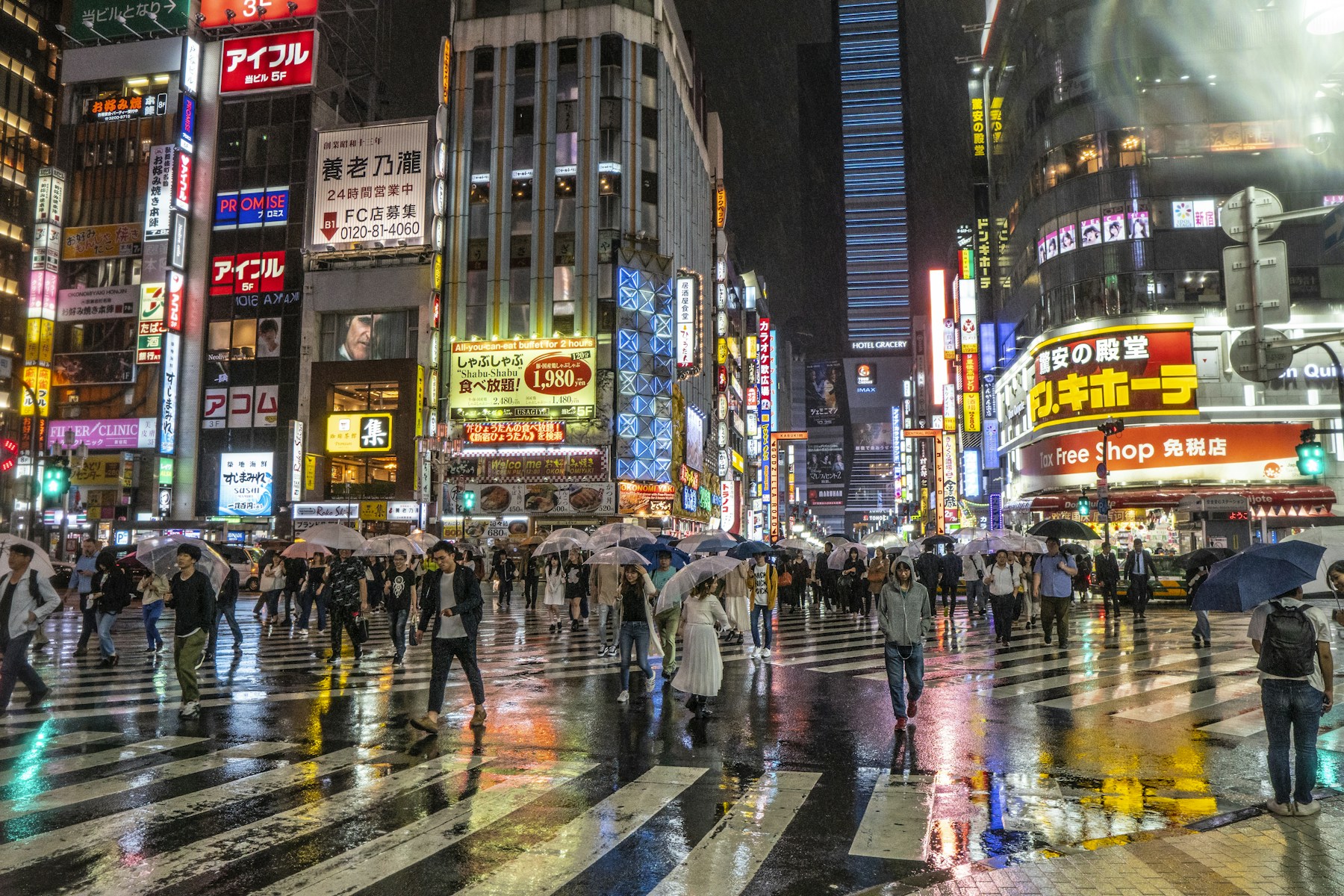
It also gives you more than one neighborhood personality. West Shinjuku is dominated by high-rises, offices and larger hotels and can feel calmer at night. East Shinjuku puts you closer to department stores, Kabukicho, Golden Gai and the busiest evening streets. South Shinjuku can be useful for the station’s southern exits and bus terminal. A hotel described simply as “Shinjuku” may therefore offer a very different stay depending on its exact address.
Shinjuku is best for you if:
- You want one base for a broad, first-time Tokyo itinerary.
- You value a large selection of hotels, restaurants and shopping at different price levels.
- You plan to use departures toward western Tokyo, Hakone or the Fuji area.
- You like having many evening options without needing to cross the city after dinner.
- You do not mind learning a large station and checking the correct exit before every walk.
The main drawback is friction. Shinjuku Station and the connected underground passages can turn a short map distance into a confusing first walk. A slightly cheaper hotel on the wrong side of the station may cost you time every morning. Before booking, identify the nearest named exit and check the walking route at street level.
Choose Shibuya when the neighborhood is part of the trip
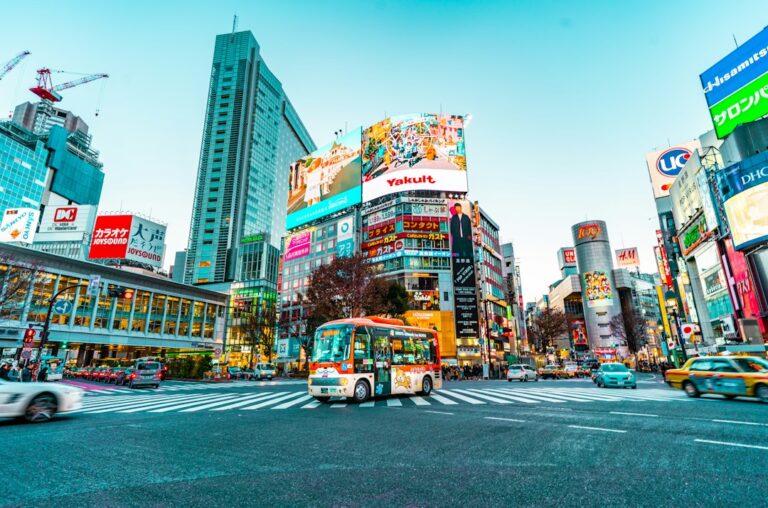
Shibuya is the stronger choice when you want western Tokyo’s fashion, design, music and café culture woven into everyday life. The official Tokyo tourism guide describes Shibuya as a center of modern Japanese culture, with fashion, art, live music and nightlife spread beyond the famous crossing. Harajuku, Meiji Jingu and Omotesando also fit naturally into a day that starts from this side of the city.
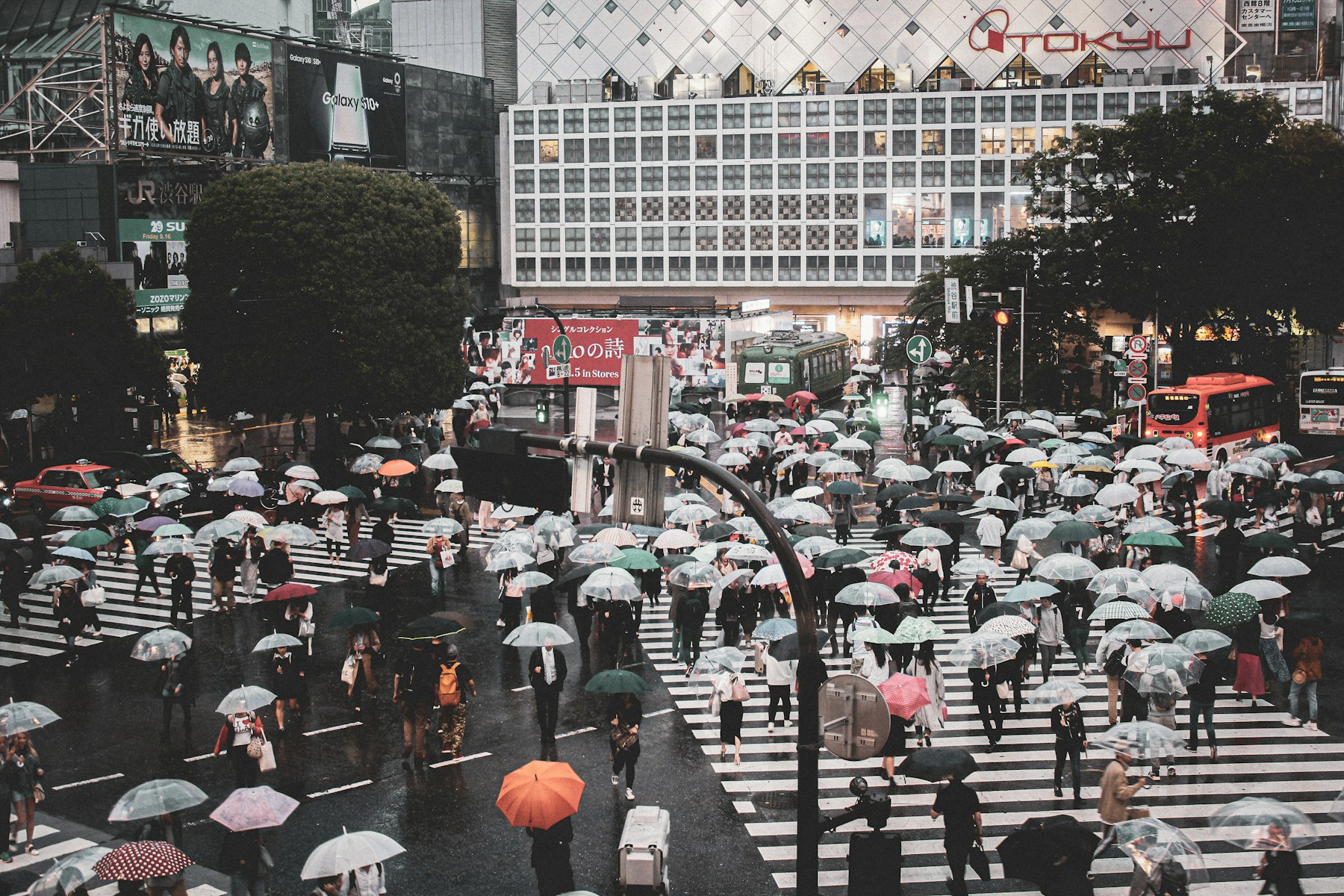
Shibuya is not quiet, but its energy is more concentrated around a smaller set of connected districts. Stay near the station for maximum convenience, around Sakuragaoka for a more tucked-away feel, or toward Ebisu and Daikanyama if you prefer stylish restaurants and calmer evenings while remaining close to Shibuya.
Shibuya is best for you if:
- Your must-do list includes Shibuya, Harajuku, Omotesando, Daikanyama or nightlife nearby.
- You want cafés, fashion, record shops, art and contemporary city culture close to the hotel.
- You prefer a base that feels visually exciting whenever you step outside.
- You are comfortable with crowds and a station that is still large and under continuing change.
- You are willing to pay more for a highly desirable central location when dates are busy.
The trade-off is that Shibuya can feel intense from morning until late. Rooms close to major roads, railway lines or nightlife streets may not suit light sleepers. Read recent room-specific reviews, not only the property’s overall score, and check whether the route from the station involves steep streets.
Which station is easier with luggage?
Neither station is ideal for improvising with large suitcases. Shinjuku is larger and more complex; Shibuya has multiple levels, construction changes and sloping streets around parts of the district. In both areas, the practical winner is the hotel with the simplest final walk—not necessarily the hotel with the shortest straight-line distance.
- Use the hotel’s own access page to find the recommended exit.
- Check whether the route has elevators and whether they are available at the exit you plan to use.
- Look at the route from the airport arrival point, not only from the nearest local platform.
- If the walk is awkward, consider luggage forwarding or storage rather than carrying every bag through the station.
Our Japan luggage guide explains when it makes sense to forward, store or carry your bags.
Which is better from Haneda or Narita Airport?
Airport convenience depends on the exact service, arrival time and hotel location. From Haneda, both districts are practical, but the easiest route may combine Keikyu, the Tokyo Monorail, JR or a direct airport bus. From Narita, compare rail and bus options by the final hotel stop rather than choosing only by headline travel time.
Use our detailed Haneda Airport to Tokyo comparison or Narita Airport to Tokyo guide, then select a hotel that reduces transfers with luggage.
Shinjuku or Shibuya for families?
For families, the precise hotel block matters more than the district name. Shinjuku often wins on hotel choice and transport flexibility, but staying directly beside the busiest east-side nightlife streets may be tiring with young children. Shibuya can work well for older children and teenagers, but the crossing area and hills can add stress with a stroller.
Prioritize a short, step-free walk, breakfast options and a room layout that fits the family. A station one stop away can be more comfortable than a famous address that requires a difficult daily walk. See our Tokyo with kids guide for realistic family pacing.
The best choice by trip style
- First visit with many Tokyo highlights: Shinjuku, especially if you have not settled on a narrow itinerary.
- Fashion, cafés and western Tokyo: Shibuya.
- Nightlife with maximum variety: Shinjuku.
- Trend-focused nightlife and music: Shibuya.
- Day trips toward Hakone or the Fuji area: Shinjuku can reduce departure-day friction, depending on the service.
- Quiet evenings: choose west Shinjuku, Shibuya’s outer edges, or reconsider both hubs for a calmer area.
- Short stay before a Shinkansen trip: also compare Tokyo Station and Shinagawa before committing to either.
A smarter hotel-booking checklist
- Mark your top five places in Tokyo and see which side of the city dominates.
- Check the hotel’s nearest station exit and actual walking route.
- Compare the airport journey with luggage, including transfers and elevators.
- Read recent comments about street noise, room size and station access.
- Price the full stay in both neighborhoods; rates can reverse depending on the dates.
- Choose convenience over a famous postal address when the difference is several difficult blocks.
For a broader comparison that also includes Tokyo Station, Asakusa and Ueno, read where to stay in Tokyo for first-time visitors. Our Tokyo travel guide can help you shape the rest of the itinerary, while the IC card guide explains everyday train and subway payments.
Compare Tokyo hotels
Search both districts on the same dates and compare the full trip cost, cancellation policy and walking route before booking.
Affiliate disclosure: Japan Travel may earn a commission from eligible bookings made through selected links, at no extra cost to you. We include only services relevant to this hotel-location decision.
Final recommendation
Choose Shinjuku when you want the most flexible all-round base and do not mind a larger, more complicated station. Choose Shibuya when contemporary Tokyo culture, fashion and the western neighborhoods are central to the trip. If the prices are close, let the exact hotel route decide: the best Tokyo base is the one that makes your real itinerary easier every morning and every night.
Neighborhood and transport guidance was checked against official Tokyo tourism information in October 2026. Station access, construction routes and hotel conditions can change, so confirm the hotel’s latest access instructions before travel.