Short answer: choose Keikyu if your hotel is convenient to Shinagawa or a through-service subway station, choose the Tokyo Monorail if Hamamatsucho and the JR Yamanote Line make your onward trip simple, and choose an airport limousine bus when avoiding station transfers with luggage matters more than the lowest fare.
Haneda is much closer to central Tokyo than Narita, so there is no single premium airport express that wins for everyone. The best choice depends mainly on your hotel area, luggage, arrival time and tolerance for transfers.
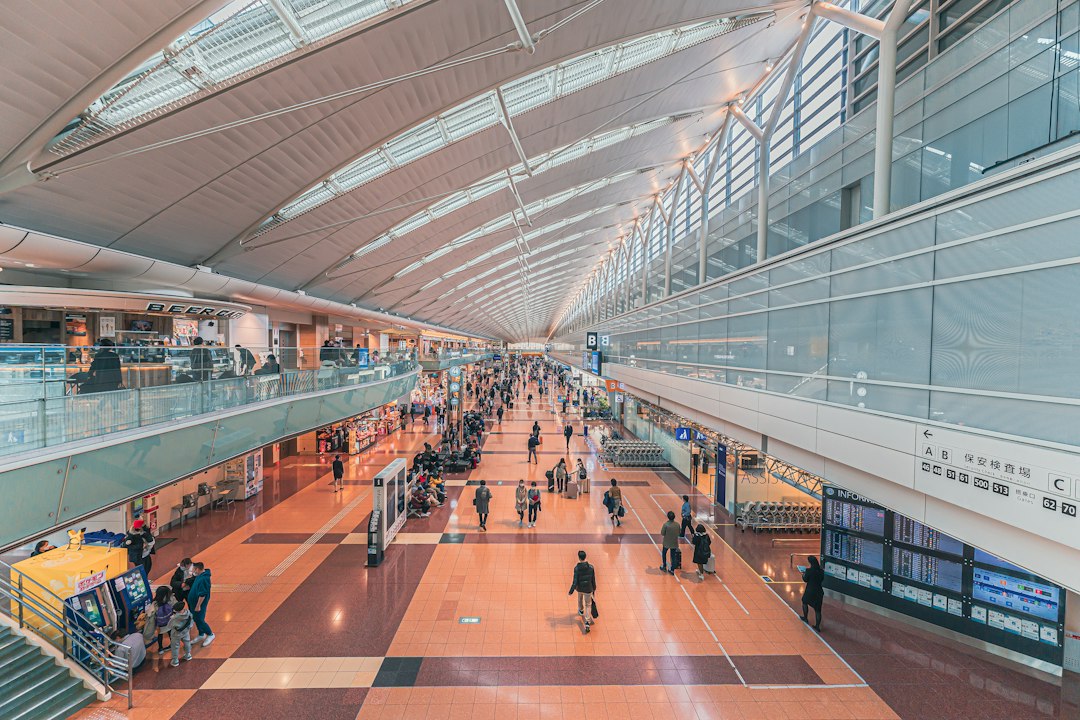
Haneda to Tokyo: which option should you take?
| Option | Best for | Main trade-off |
|---|---|---|
| Keikyu Line | Shinagawa, Asakusa-side connections and many central Tokyo trips | Your final station may still require a transfer |
| Tokyo Monorail | Hamamatsucho and easy JR Yamanote Line connections | Hamamatsucho is the city-end transfer point |
| Airport limousine bus | Travelers with large luggage or a hotel served directly by the bus | Road traffic can make journey times less predictable |
| Taxi/private transfer | Families, groups, late arrivals and door-to-door convenience | Usually the most expensive choice |
1. Keikyu: best when Shinagawa is on your route
Keikyu is often the most straightforward rail choice when you are staying around Shinagawa or can use a convenient onward rail/subway connection. Keikyu’s current official airport guide lists approximately 14 minutes to Shinagawa, 26 minutes to Shibuya and 33 minutes to Shinjuku as indicative fastest travel times; actual trips vary by service and transfer.
It is particularly attractive when your route avoids dragging luggage through an unnecessary interchange. Before boarding, check the destination displayed on the train because services and through-running patterns vary.
2. Tokyo Monorail: best for Hamamatsucho and JR connections
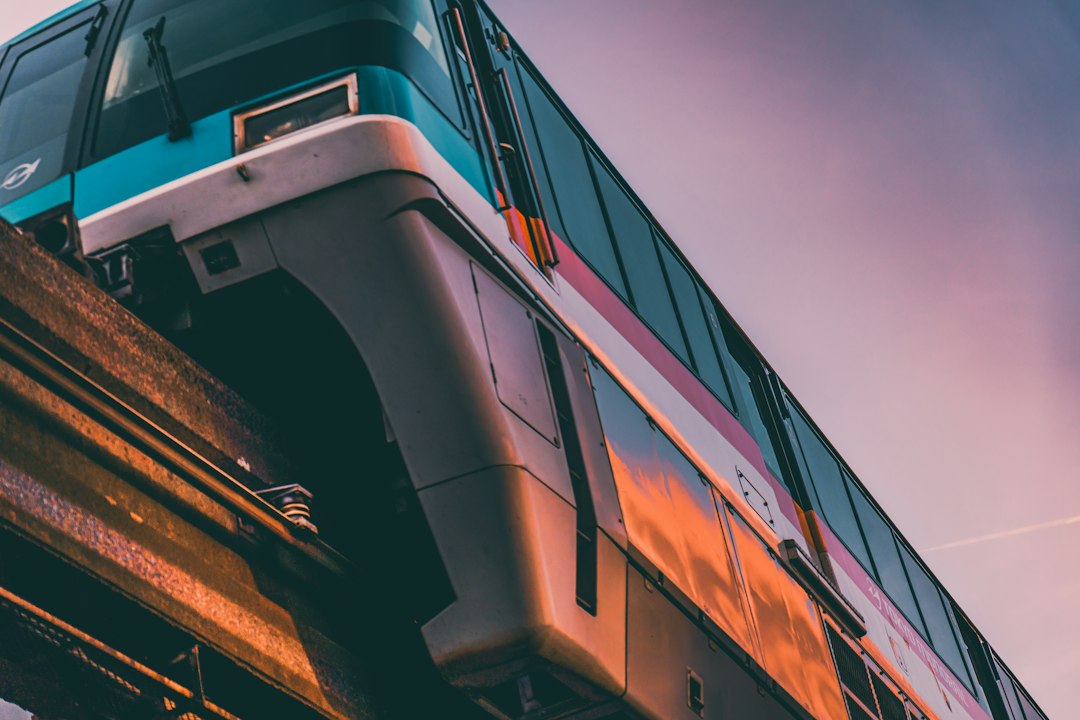
The Tokyo Monorail connects Haneda with Monorail Hamamatsucho. From there, JR lines make it practical for areas such as Tokyo Station, Ueno, Shimbashi and other stops around the Yamanote Line loop.
Choose it when the Hamamatsucho transfer is simpler for your hotel than going via Shinagawa. With heavy suitcases, compare the exact number of transfers rather than choosing only by headline journey time.
3. Airport limousine bus: best when it stops near your hotel
The bus can be the easiest arrival-day option if your hotel or a nearby major hotel/terminal is served directly. You avoid hauling luggage through busy stations, but road traffic makes timing less predictable than rail. Check the current stop list and timetable for your terminal before relying on it.
4. Taxi or private transfer: when convenience wins
A taxi or pre-arranged transfer makes the most sense for a family or group splitting the cost, travelers carrying several bags, or an arrival when public transport would require awkward late-night connections. Compare the full group price rather than the per-person rail fare.
Best option by Tokyo area
- Shinagawa: start with Keikyu.
- Tokyo Station / Ginza: compare Monorail + JR with Keikyu connections and a direct bus if one serves your hotel.
- Shinjuku: compare the rail route with a limousine bus, especially with luggage.
- Shibuya: Keikyu via the most convenient connection is often competitive; choose the route with the fewest awkward transfers.
- Asakusa: check Keikyu/Toei through services carefully, as some trains can make this side of Tokyo especially convenient.
What to do after you land
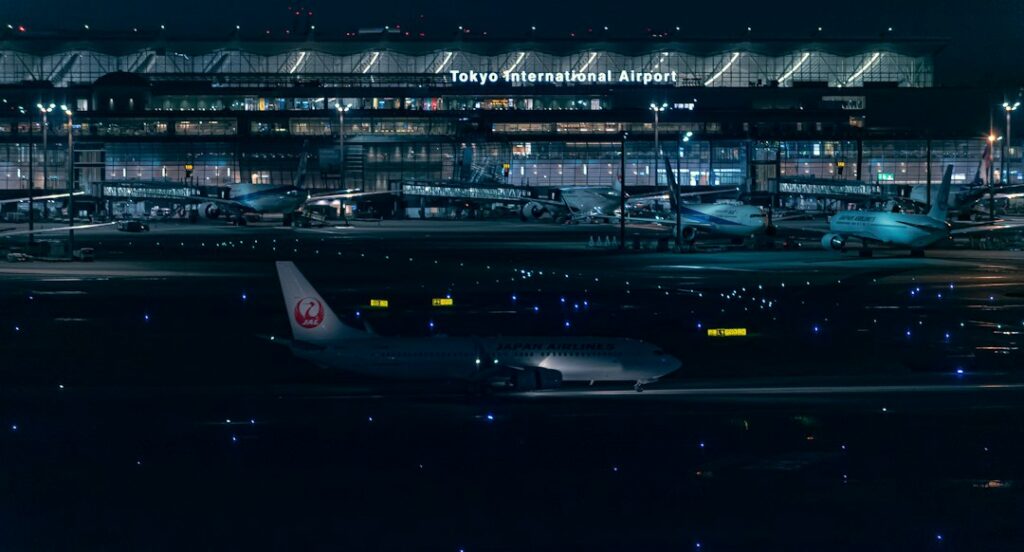
Confirm whether you arrived at Terminal 1, 2 or 3, then use the airport signs for Keikyu, Tokyo Monorail, buses or taxis. International flights commonly use Terminal 3, but some international services also use Terminal 2, so follow your actual arrival terminal rather than assuming.
If you plan to use trains and subways throughout Tokyo, read our Suica, PASMO and ICOCA guide. For the bigger picture, see the Japan transportation guide and our Tokyo travel guide. If you are landing at Japan’s other major Tokyo gateway, compare our Narita Airport to Tokyo guide.
Useful bookings for your Tokyo arrival
If you still need accommodation, compare Tokyo hotels on Booking.com. Choose the hotel only after checking which station and airport route you will actually use.
Mobile data is useful immediately after landing for route changes, maps and hotel directions. Check Japan eSIM options with Saily before departure.
Affiliate disclosure: Japan Travel may earn a commission from eligible bookings made through selected links, at no extra cost to you. Affiliate links are included only where they are relevant to planning this trip.
Final recommendation
Do not choose your Haneda transfer by brand name alone. Put your hotel into a route planner and compare the door-to-door journey: number of transfers, walking distance, luggage handling and arrival time. For many visitors that makes Keikyu or the Monorail the practical winner; for travelers with bulky luggage and a conveniently served hotel, the bus can be worth the extra variability.
Transport schedules, fares and stopping patterns can change. This guide was checked against official operator information in October 2026; confirm your exact journey on the operator’s official timetable before travel.