Short answer: the Hakone Freepass is usually worth it if you will travel from Shinjuku, complete most of Hakone’s classic sightseeing loop and return to Tokyo. It can also make sense from Odawara when you will use the ropeway, Lake Ashi cruise and several local trains or buses. Skip it for a simple Hakone-Yumoto onsen visit, a single museum trip, or an itinerary using a rental car.
For purchases made in 2026, the adult pass costs ¥7,100 for two days or ¥7,500 for three days from Shinjuku. From Odawara, it costs ¥6,000 for two days or ¥6,400 for three days. Children’s prices are much lower, so families should calculate adults and children separately rather than judging the pass from the adult total alone.
Affiliate disclosure: this guide contains a verified Booking.com affiliate link. If you book through it, Japan Travel may earn a commission at no extra cost to you. Prices and operating details were checked against official Odakyu and Hakone sources on November 3, 2026.
Hakone Freepass prices in 2026
| Starting point | 2-day adult | 3-day adult | Best fit |
|---|---|---|---|
| Shinjuku | ¥7,100 | ¥7,500 | Tokyo round trip plus the Hakone loop |
| Odawara | ¥6,000 | ¥6,400 | Arriving by Shinkansen or continuing west |
The three-day pass costs only ¥400 more than the two-day version. That does not automatically make it the better purchase: choose it only when your third day still includes covered Hakone transport. The current prices took effect on October 1, 2025 and remain the official published fares for 2026.
What the Hakone Freepass covers
The pass includes one round trip on the Odakyu Line between your departure station and Odawara, plus unlimited travel within designated Hakone zones on eight transport systems:
- Hakone Tozan Train
- Hakone Tozan Cable Car
- Hakone Tozan Bus
- Kanko Shisetsu-meguri sightseeing bus
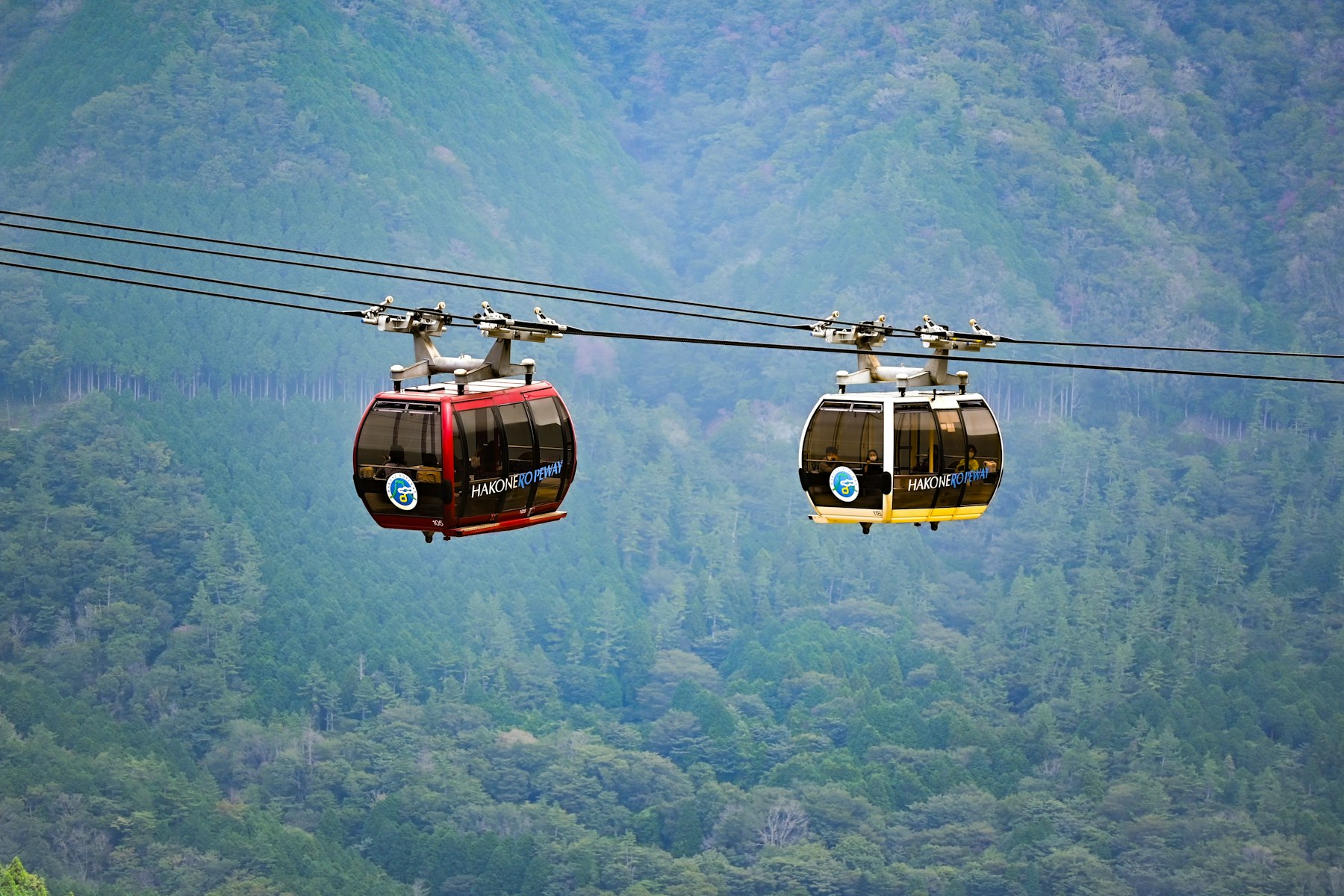
- Hakone Ropeway
- Hakone Sightseeing Cruise on Lake Ashi
- Odakyu Highway Bus within the designated zone
- Tokai Bus within the designated zone
The pass also provides discounts at selected attractions and facilities. Those discounts are useful as a bonus, but transport should justify the purchase by itself because attraction plans can change with weather, queues or fatigue.
What it does not cover
The Limited Express Romancecar surcharge is not included. The Shinjuku pass covers the underlying Odakyu base fare, but a Romancecar journey needs a separate limited-express ticket and seat reservation. You can instead use regular Odakyu services without that surcharge.
The pass is not a general ticket for every bus or train around Kanagawa, and travel beyond the designated zones costs extra. It also permits only one round trip between the departure station and Odawara. Once you return to the departure station, the pass cannot be used again even if time remains.
The strongest break-even case: the classic Hakone loop
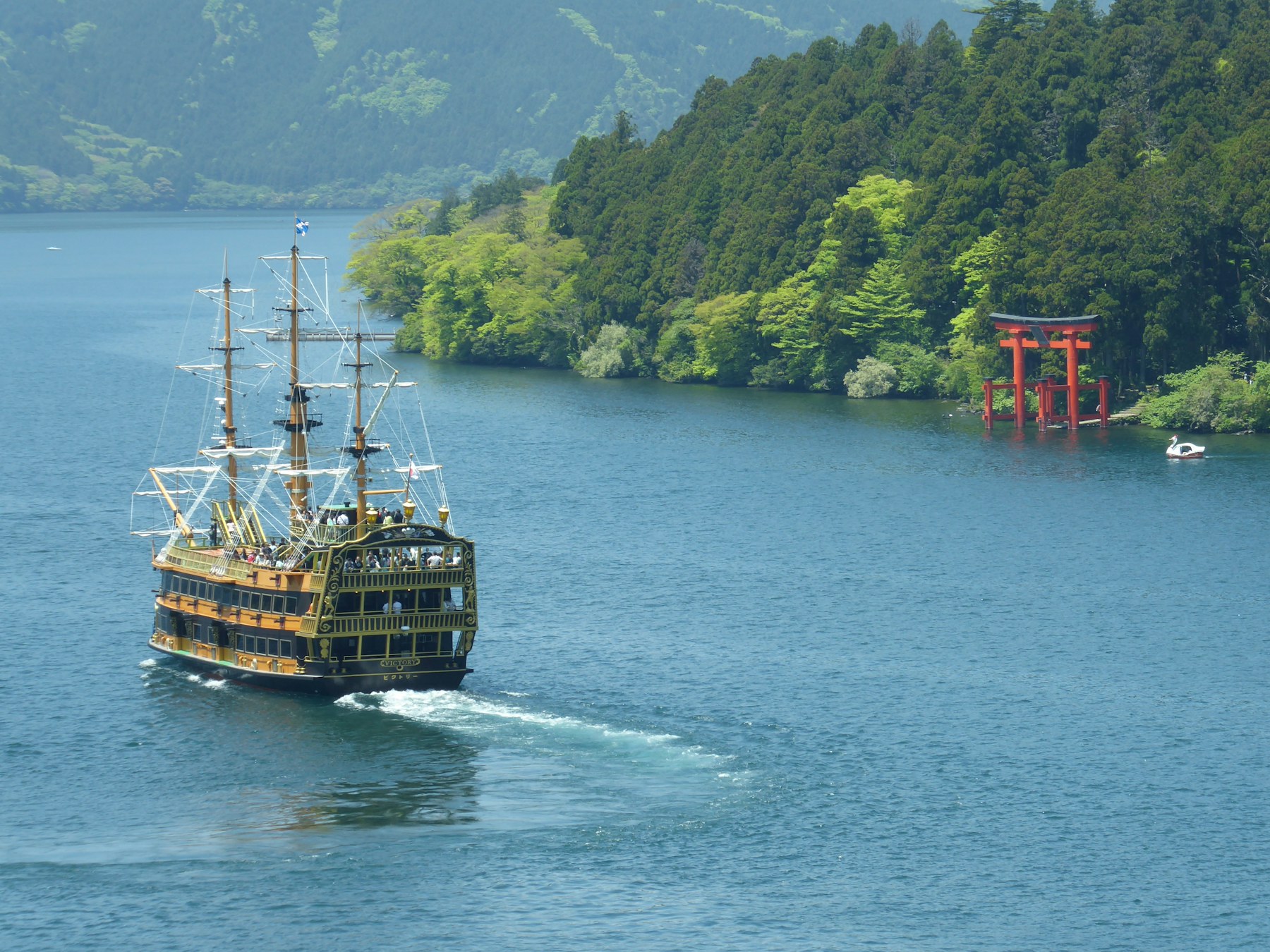
Odakyu’s official example prices a classic “Golden Course” from Shinjuku at ¥8,322 using regular transport fares. The two-day Shinjuku Freepass costs ¥7,100, producing an estimated ¥1,222 saving before any attraction discounts. That route uses the pass’s biggest-value components: mountain transport, ropeway, Lake Ashi cruise and local buses.
This means a traveler can save money even on a single long day despite the ticket being called a two-day pass. The decision is not about the number of calendar days alone; it is about how much of the covered network you will actually use.
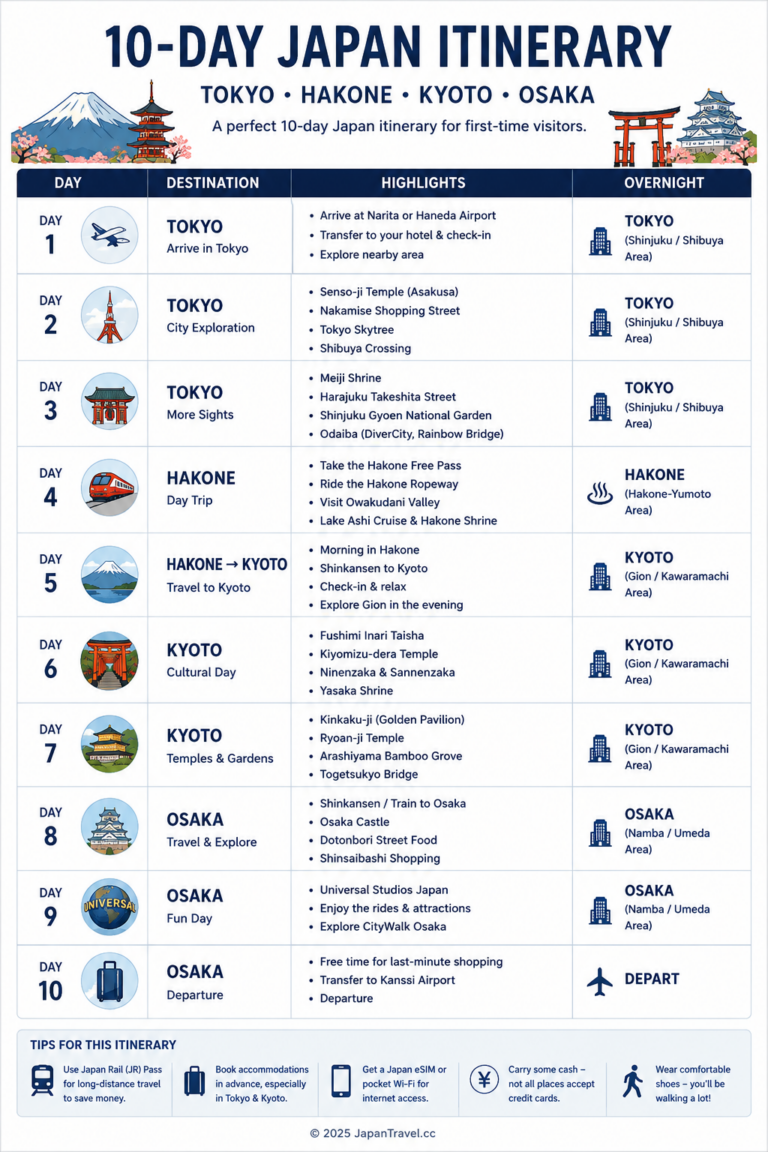
A practical full loop usually runs through Hakone-Yumoto, Gora, Sounzan, Owakudani, Togendai and Lake Ashi before returning by bus. Our Hakone day-trip route shows how to structure that day without treating every stop as compulsory.
When the pass is probably not worth it
- Hakone-Yumoto only: a return train ride plus a nearby onsen usually does not use enough of the network.
- One museum and back: direct transport and individual fares may cost less than ¥6,000–¥7,100.
- Rental-car itinerary: the pass duplicates transport you will not ride.
- Severe-weather day: ropeway or cruise disruption removes some of the ticket’s highest-value journeys.
- Tokyo–Kyoto transfer with minimal sightseeing: a direct Shinkansen and a few local fares may fit better.
Do not buy the pass merely because it is popular. Write down the specific transport you expect to use. If your plan has only a train to Hakone-Yumoto, one bus and the return journey, compare those individual fares before committing.
Shinjuku pass or Odawara pass?
Choose the Shinjuku version when returning to Tokyo
The Shinjuku version is designed for travelers who start in Tokyo, explore Hakone and return on the Odakyu Line. It bundles the round-trip base fare with the internal Hakone network. Add the separate Romancecar surcharge only if the reserved-seat convenience matters to you.
Choose the Odawara version when Hakone is an onward stop
The Odawara version is normally the cleaner choice if you arrive by Shinkansen, enter Hakone from another region, or continue to Kyoto instead of returning to Shinjuku. Buying the Shinjuku version would pay for an Odakyu round trip you do not need.
If Hakone sits between Tokyo and Kyoto in your itinerary, compare the onward rail plan with our Tokyo–Kyoto Shinkansen guide. Large bags are awkward on the sightseeing loop, so our Japan luggage strategy can help you decide whether to forward, store or carry them.
Two-day or three-day pass?
| Trip pattern | Better choice | Why |
|---|---|---|
| Tokyo day trip with full loop | 2-day pass | Can already beat individual fares |
| One-night ryokan stay | 2-day pass | Covers arrival sightseeing and next-day return |
| Two nights with transport on day three | 3-day pass | Only ¥400 more |
| Two nights but stationary resort stay | Calculate first | Third-day validity may add little value |
For an overnight trip, decide the hotel area before choosing the pass. Hakone-Yumoto, Gora, Sengokuhara and Lake Ashi have very different access patterns. Read the broader Hakone travel guide, then check the property’s nearest station or bus stop—not just the word “Hakone” in its address.
Weather and disruption can change the calculation
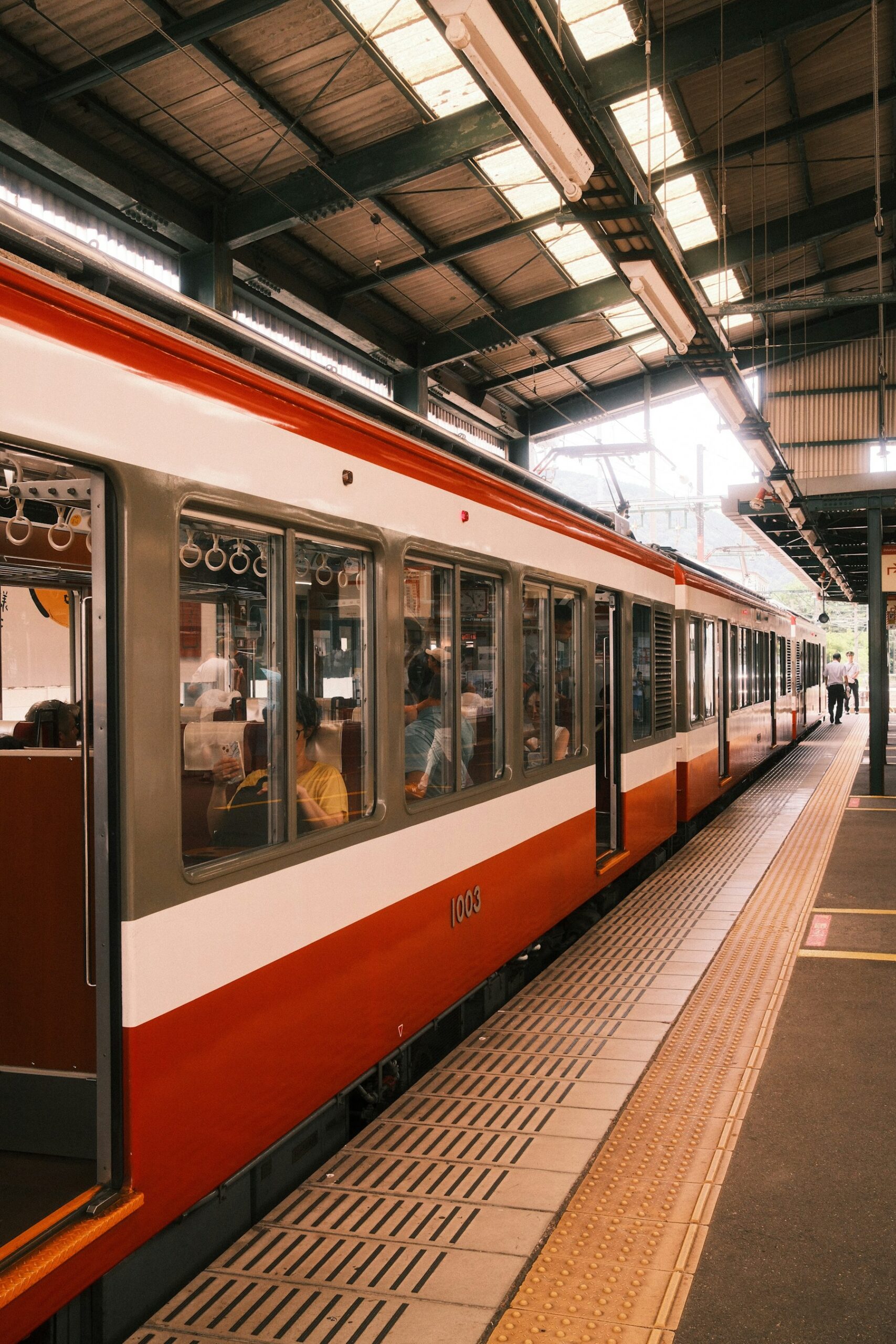
The ropeway and sightseeing cruise can be suspended because of wind, volcanic conditions or other operational issues. Check official Hakone service information before leaving Tokyo. A pass can still be convenient during partial disruption, but do not assume every unused component will automatically produce a refund; operator rules and the portion already used matter.
Mount Fuji visibility should not decide the pass purchase. Hakone offers the lake, volcanic scenery, museums, onsen and mountain transport even when Fuji is hidden. If the main goal is a close Fuji landscape rather than the Hakone circuit, compare Tokyo to Kawaguchiko by bus or train and our guide to Mount Fuji tour types.
How to decide in one minute
- Choose your real starting point: Shinjuku or Odawara.
- Mark the covered rides you genuinely plan to take.
- Add individual fares—or compare your plan with the official savings calculator.
- Add a Romancecar surcharge separately if you want that train.
- Buy the pass only if the transport total and convenience beat the relevant ¥7,100 or ¥6,000 price.
Final verdict
Buy the Hakone Freepass for a Shinjuku round trip that includes most of the classic loop, or for an Odawara-based itinerary using several local transport modes. The full loop is the clearest money-saving case, and the ¥400 step from two to three days is attractive for travelers who will keep moving on day three.
Skip it for a narrow Hakone-Yumoto visit, one direct attraction, a car-based trip or a route where weather removes the ropeway and cruise. In those cases, individual fares preserve flexibility and may cost less.