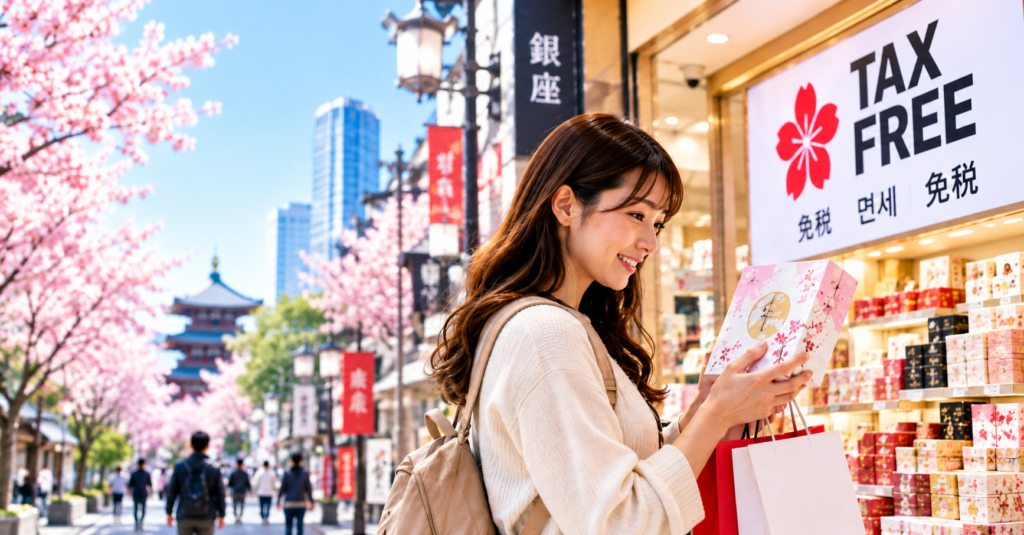
Planning to shop in Japan in late 2026 or after? A major change for international visitors arrives on November 1, 2026: Japan is moving its tax-free shopping system to a refund method.
Eligible travelers will generally pay the tax-inclusive price at participating tax-free stores first. Customs then confirms at departure that the eligible goods are being taken out of Japan, and the retailer can refund the amount equivalent to the consumption tax.
The 30-second decision
| Your trip | What to expect |
|---|---|
| Leaving Japan before Nov. 1, 2026 | The current tax-free procedure remains relevant. |
| Buying from Nov. 1, 2026 onward | Plan to pay the tax-inclusive price first, then follow the new departure-confirmation/refund process. |
| Buying near the changeover | Follow the procedure that applies to the purchase date and the retailer’s instructions. |
What changes on November 1, 2026?
Japan’s National Tax Agency says participating tax-free shops will sell eligible goods to qualifying foreign visitors at a price that includes consumption tax. The traveler must receive customs confirmation on departure that the goods are being carried out of Japan within 90 days from the date of purchase. After confirmation, the tax-free shop operator can refund the amount equivalent to the consumption tax.
How the new refund method works
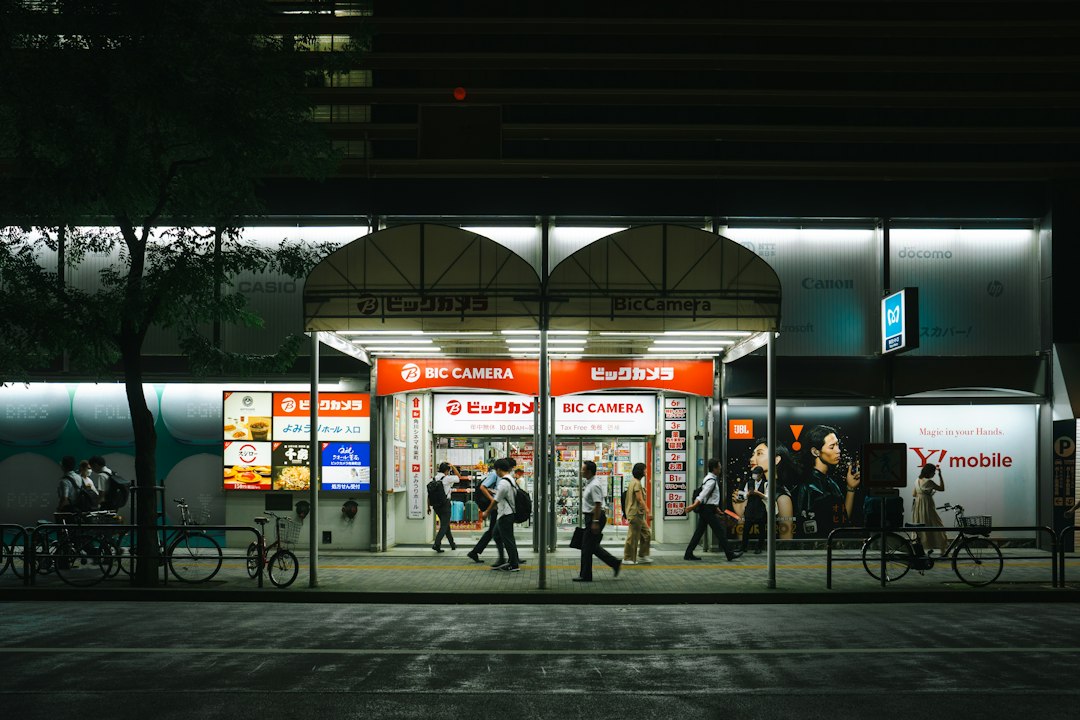
- Shop at a participating tax-free store. Confirm that you and the goods meet the eligibility requirements.
- Pay the tax-inclusive price. Under the new method, consumption tax is paid at purchase.
- Keep the goods available for departure. Customs may inspect the tax-free purchases.
- Complete customs confirmation. Eligible goods must be confirmed as taken out of Japan within 90 days of purchase.
- Receive the refund. The retailer refunds the amount equivalent to the consumption tax after customs confirmation, according to its refund procedure.
Why this matters for your trip budget
The biggest practical difference is cash flow: you should have enough available to pay the full tax-inclusive checkout price. Do not plan your shopping budget as though the tax will automatically disappear at the register.
For the rest of your trip spending, see our Japan Travel Budget Guide 2026.
Keep tax-free purchases accessible
The National Tax Agency’s new framework requires customs confirmation that the goods are being carried out. A sensible traveler strategy is therefore to keep purchases organized and accessible until you complete the departure procedure rather than burying everything deep in inaccessible luggage too early.
If you are moving between cities before your flight, our Japan luggage strategy can help you decide whether to forward, store or carry your bags.
What should travelers buy as souvenirs?
Common take-home choices include regional sweets, packaged snacks, tea, stationery, character goods, cosmetics, kitchen tools and locally made crafts. Major stations, department-store basement food halls, shopping streets and airport shops are useful places to look. We also recommend leaving room for regional souvenir foods rather than buying everything in Tokyo: Kyoto sweets, Osaka snacks and destination-specific specialties make more memorable gifts.
For ideas before you shop, browse our Japanese foods beyond sushi and ramen guide.
Before you fly home
- Keep your passport and purchase information accessible.
- Know whether your purchase falls before or after the November 1 changeover.
- Keep eligible goods available in case customs requests an inspection.
- Allow extra airport time while the new system is unfamiliar.
- Check the retailer’s refund instructions before leaving the shop.
- Remember that your home country can have separate customs allowances or import taxes.
Official information to check
Japan’s National Tax Agency has published English guidance explaining the November 1, 2026 refund method. Because implementation details and retailer procedures can evolve, verify the latest official guidance and the participating store’s instructions close to your trip.
Reviewed September 19, 2026. Tax rules and retailer procedures can change; official Japanese government guidance takes priority.