Japan Travel is reader-supported. This guide contains accommodation and activity booking links. If you book through them, we may earn a commission at no extra cost to you.
Hiroshima city is the better base for transport, dining, flexible sightseeing and most short stays. Miyajima is the better base for a memorable ryokan night, sunset views and exploring the island before and after the day-trip crowds. The choice is less about distance than what you want your evening and early morning to feel like.
For most first-time visitors spending one or two nights in the region, Hiroshima is the safer default. Choose Miyajima when the island is a central experience—not simply another attraction—and you are comfortable planning around ferries, earlier dinners and a quieter night.
The quick decision
| Your priority | Better base | Why |
|---|---|---|
| One night or a late arrival | Hiroshima | Less transfer risk and easier Shinkansen access |
| Peace Memorial Park and city sightseeing | Hiroshima | More time in the city and no return ferry planning |
| Restaurants, nightlife and flexible meals | Hiroshima | Far more choice after the island’s day visitors leave |
| Families, large luggage or limited mobility | Hiroshima | Simpler hotel access and broader room choice |
| Sunset, illumination and an early shrine walk | Miyajima | The island becomes quiet and atmospheric after day-trippers depart |
| Ryokan dinner, onsen or a special occasion | Miyajima | The accommodation is part of the experience |
| Mount Misen plus unhurried island exploration | Miyajima | You can start before the busiest ferry arrivals |
| Lowest-friction compromise | Miyajimaguchi | Mainland ferry access without island hotel prices, but less atmosphere |
If you have not planned the wider stop yet, read our Hiroshima travel guide and two-day Hiroshima and Miyajima itinerary first. Those determine whether your hotel should support city time or island time.
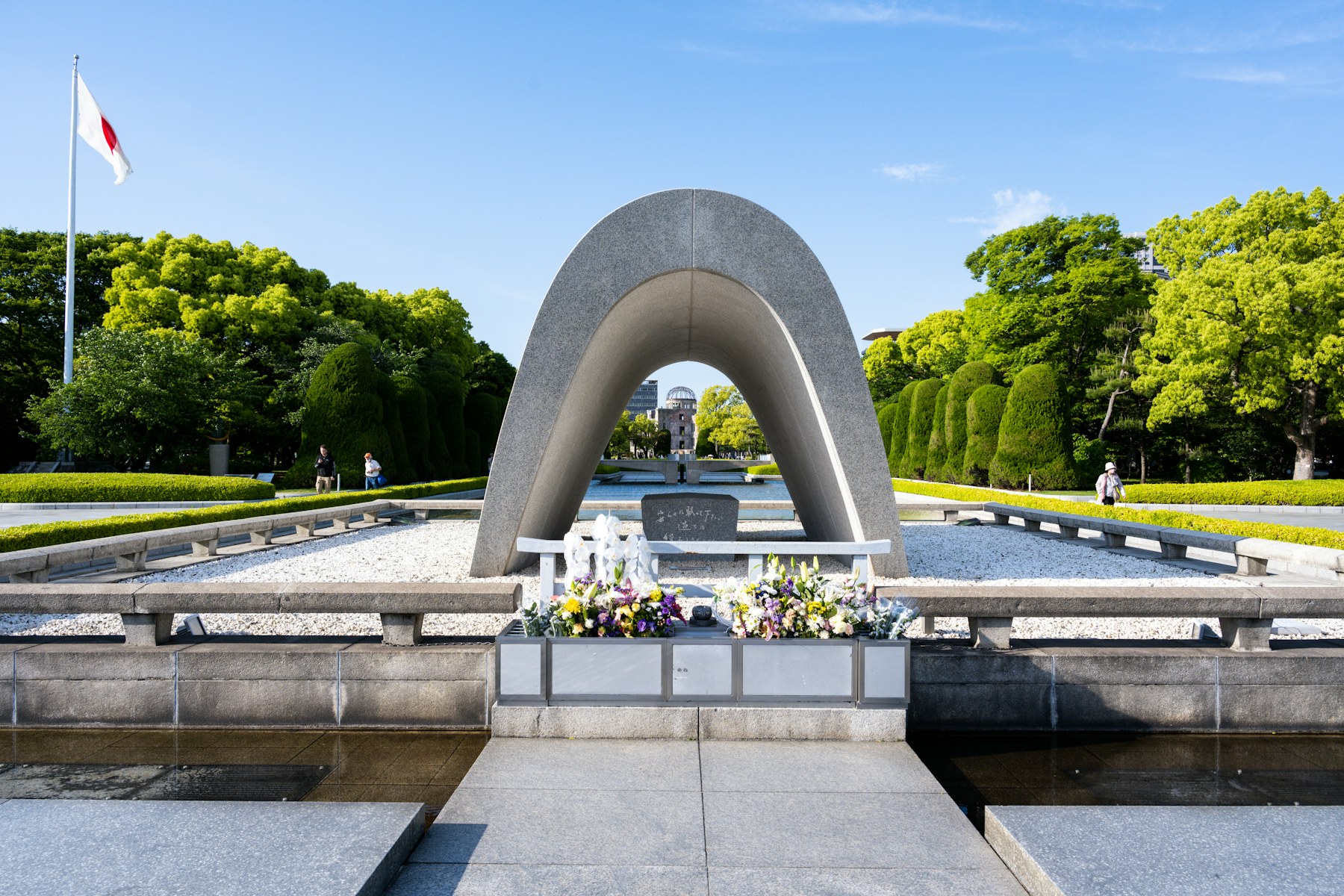
Stay in Hiroshima for the practical trip
Hiroshima works best when the region is one stop in a longer Japan route. You can step off the Shinkansen, leave bags at your hotel and begin sightseeing without adding a suburban train and ferry. On departure day, you also avoid carrying luggage back across the water before connecting to your next city.
The city is also the stronger evening base. Around Hondori, Nagarekawa and the station area, you have more restaurants, shopping, convenience stores and late transport. This matters if you do not want to commit to a ryokan dinner time or if different travelers in your group want different food. Hiroshima-style okonomiyaki is an obvious choice, but our guide to Japanese foods beyond sushi and ramen can help with the wider menu.
Best Hiroshima areas
- Hiroshima Station: best for Shinkansen arrivals, early departures and rail day trips. The trade-off is a tram or bus ride to the Peace Memorial area.
- Hondori and Peace Park: best for central sightseeing, restaurants and walking. Choose a hotel near a tram stop if you have luggage.
- Nagarekawa and Hatchobori: best for dining and nightlife, but check reviews for evening noise.
Hiroshima is the default for a one-night stop, for families who need predictable meals, and for travelers continuing toward Okayama, Fukuoka or another rail destination. If this is part of a longer western Japan trip, our regional trip ideas beyond Tokyo, Kyoto and Osaka explain how Hiroshima fits the route.
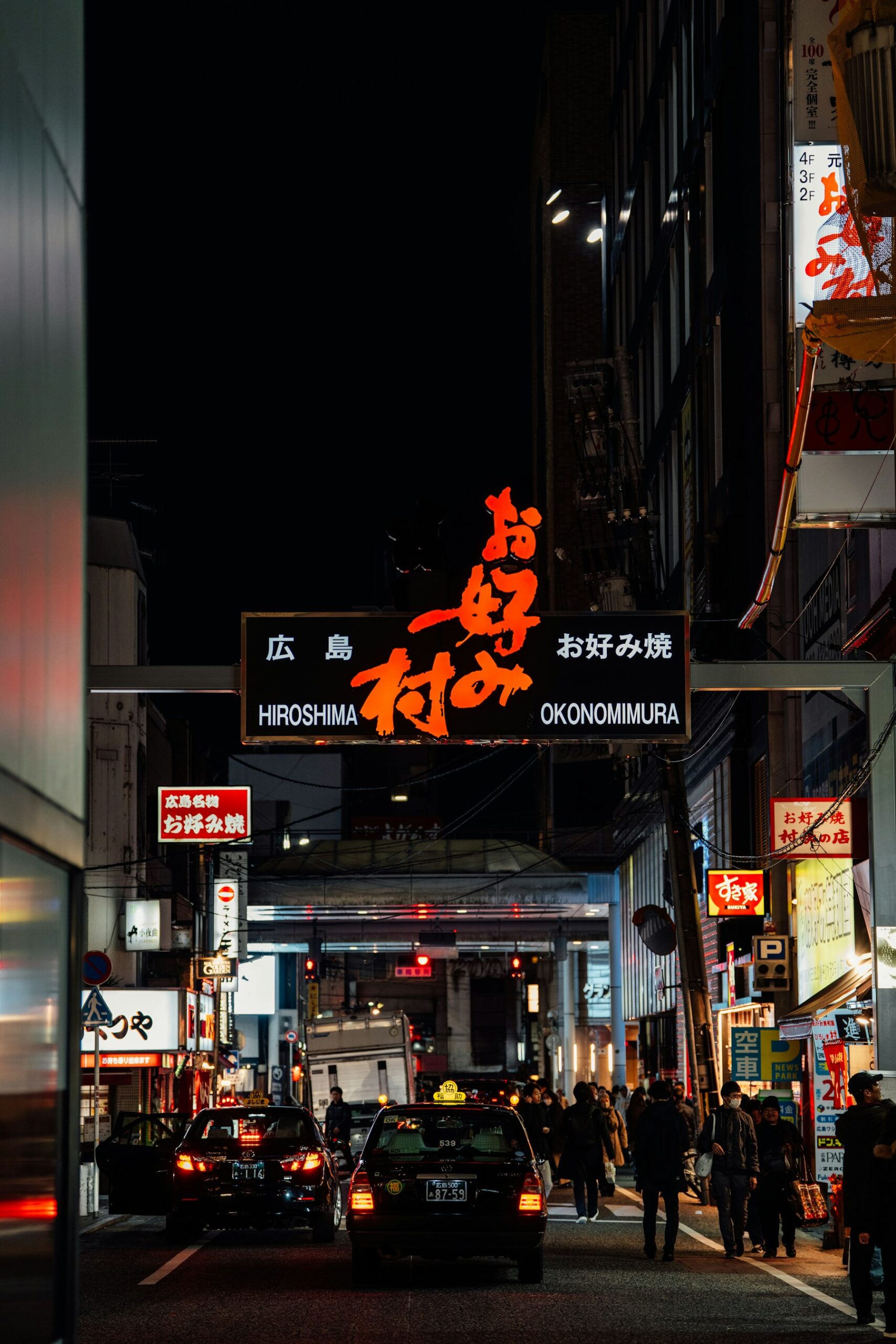
Stay on Miyajima for the experience
Miyajima changes character after the last large groups leave. Itsukushima Shrine and the Great Torii are illuminated at night, the waterfront becomes calmer and the morning atmosphere arrives before most day visitors. Hiroshima’s official tourism guide specifically recommends staying on the island to experience its morning and evening landscapes.
This is the better choice for a special night, a ryokan meal or a slow island-focused stay. It also helps if Mount Misen, Daisho-in and the quieter lanes matter more than packing the region into a checklist. The ropeway normally operates around daytime sightseeing hours—official tourism information lists 9:00 to 17:00 with seasonal variation—so an island night gives you more margin without needing to catch a late connection back to the city.
What to check before booking Miyajima
- Dinner: many ryokan stays are built around a set evening meal. Confirm the last check-in and dinner time before choosing a late sightseeing plan.
- Location: accommodation near the ferry pier is easiest with bags. A more secluded inn may offer a shuttle, but do not assume it.
- Meal plan: shops and casual restaurants tend to close earlier than in Hiroshima. A room without dinner requires more planning.
- Room style: confirm whether the room has beds or futons, a private bathroom and any step-free access you need.
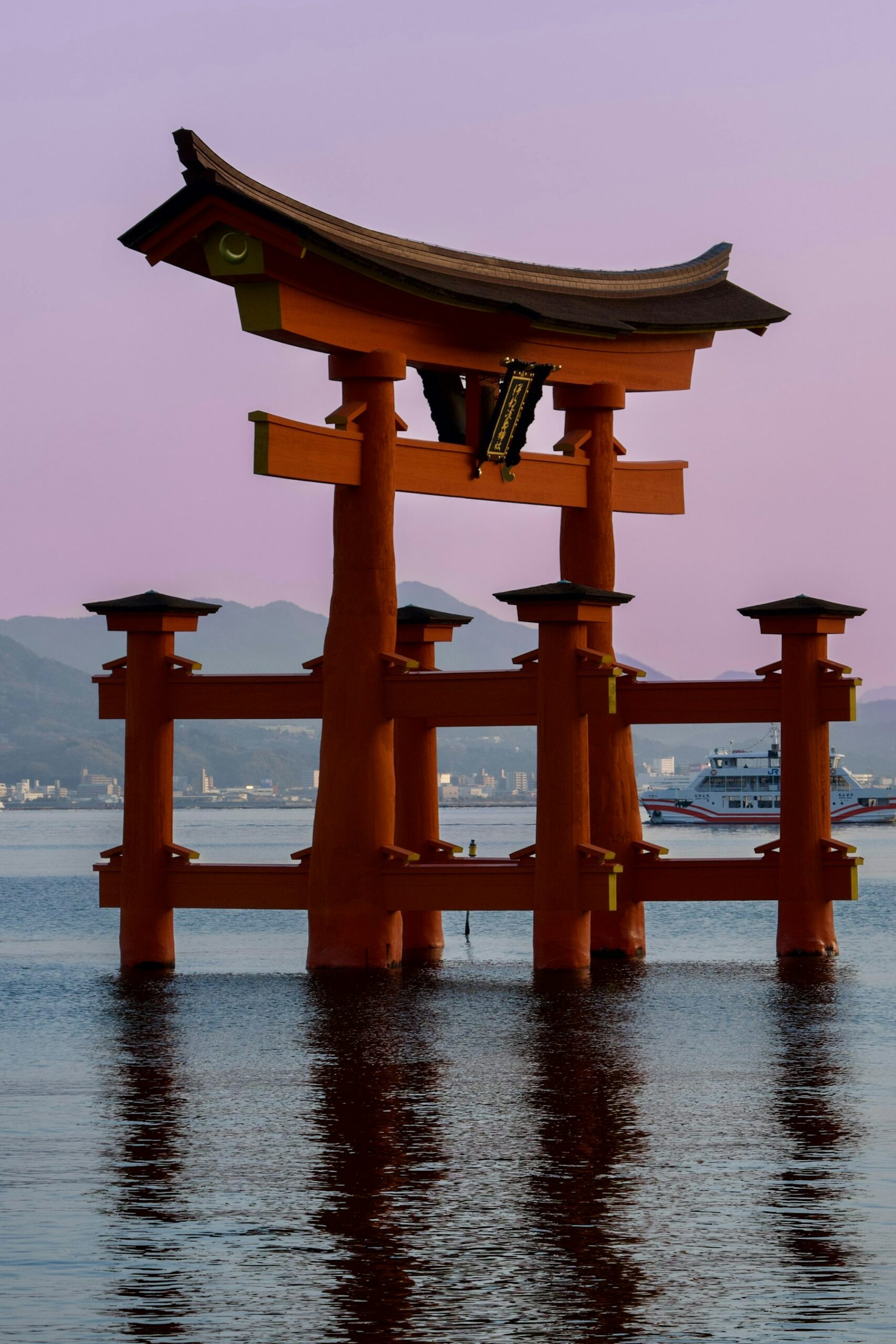
The real transport difference
Official tourism guidance puts the JR journey from Hiroshima Station to Miyajimaguchi at about 26–30 minutes. The ferry crossing then takes about 10 minutes. Add the station walk, waiting time and the walk from Miyajima Pier to your lodging, and the practical door-to-door transfer is often closer to 50–70 minutes.
As checked on November 7, 2026, the JR West Miyajima Ferry adult fare is ¥180 one way, with the separate ¥100 Miyajima Visitor Tax charged when entering the island. JR’s regular timetable shows a final ferry from Miyajima at 22:14 and a final departure from Miyajimaguchi at 22:42, but special and busy-day timetables can differ. Always check the operating-day schedule instead of treating those times as permanent.
From the Peace Memorial area, the World Heritage Sea Route can remove the rail transfer and make the journey part of the sightseeing day. It costs more than the JR-and-ferry route and is more sensitive to operating conditions, so verify the day’s departures before relying on it.
If trains and transfers feel intimidating, review our first-timer’s Japan train guide. Travelers comparing a broader rail route should also check whether the Japan Rail Pass or individual tickets suit their itinerary.
Luggage, families and accessibility
Hiroshima is easier with large luggage. Miyajima’s official tourism association lists lockers at JR Miyajimaguchi Station, the Miyajimaguchi ferry terminal and the Miyajima ferry terminal, but availability is never guaranteed at busy times. The practical solution is to leave full-size bags in Hiroshima or forward them to your next hotel, then take one small overnight bag to the island.
Our Japan luggage strategy guide explains when to carry, store or forward bags. Confirm whether your Miyajima property collects luggage from the pier; a map distance that looks short can feel very different with cobbles, rain or a stroller.
Families can enjoy either base. Hiroshima gives more control over meals and nap schedules, while Miyajima removes the evening return journey. Travelers with limited mobility should check the full route from ferry to room, not only whether the hotel advertises an accessible room. Mount Misen’s ropeway also does not eliminate every slope or walking segment.
Hotel costs and Hiroshima’s 2026 accommodation tax
Hiroshima generally offers more business hotels, family rooms and budget competition. Miyajima has fewer rooms and a higher concentration of ryokan stays where dinner, breakfast or an onsen experience may be part of the total value. Compare like with like: a room-only city rate is not equivalent to an island stay with two meals.
Compare current Hiroshima and Miyajima-area availability on Agoda. Use the map carefully: “Miyajima” listings can include Miyajimaguchi or other mainland locations, which do not provide the same after-hours island experience.
Budget note: Hiroshima Prefecture introduced an accommodation tax on April 1, 2026. It is ¥200 per person per night when the room-only accommodation fee is ¥6,000 or more before tax; stays below ¥6,000 are not taxed. It applies across the prefecture, so choosing Hiroshima city instead of Miyajima does not avoid it.
Verified with Hiroshima Prefecture on November 7, 2026.
Should you split the stay?
For most two-night visits, use one base. Changing hotels costs time and creates a luggage problem that often cancels the convenience gained. Stay both nights in Hiroshima and make a full-day island trip, or stay both nights on Miyajima if the island is the main reason for coming.
A split stay makes sense when you have at least three regional nights and specifically want one ryokan evening. Leave large bags at a Hiroshima hotel or forward them, take an overnight bag to Miyajima, and return to the rail network the next day. Do not split merely because the two locations look far apart on an itinerary map.
Three practical trip patterns
- One night, arriving by Shinkansen: stay near Hiroshima Station. Visit central Hiroshima, then choose either an early Miyajima trip or save the island for a longer visit.
- Two nights, first regional visit: stay centrally in Hiroshima. Give one considered day to the Peace Memorial area and one full day to Miyajima.
- Three nights or a special occasion: spend two nights in Hiroshima and one on Miyajima, or use Miyajima as the main base if quiet mornings and a ryokan experience outweigh city convenience.
If you prefer not to manage the island transfers independently, a verified guided Hiroshima and Miyajima day trip on Klook may suit a Hiroshima-based stay. Compare its meeting point, inclusions and pace with the independent route before booking.
Final verdict
Choose Hiroshima if you want the region to work smoothly. It wins for short stays, Shinkansen connections, luggage, flexible meals, families and balanced city-plus-island sightseeing.
Choose Miyajima if you want the region to feel special. It wins for sunset, illumination, early island walks, ryokan hospitality and travelers willing to organize the rest of the trip around that experience.
The useful question is not “Which place is better?” It is “Would I rather finish this day in a flexible city neighborhood or on a quiet island after the crowds leave?” Your answer usually identifies the right hotel base immediately.