
Some Tokyo tickets should be treated like flights; others can wait until breakfast. The difference matters because booking everything early removes flexibility, while booking nothing early can leave you outside the attraction you crossed Japan to see.
Quick answer: reserve the Ghibli Museum as soon as its monthly sale opens, buy Grand Sumo Tournament tickets on the official on-sale date, and secure Tokyo Disney tickets early for weekends and holiday periods. Book popular sunset slots at Shibuya Sky, teamLab and Tokyo Skytree once your itinerary is stable. Ordinary daytime observation-deck visits, temples, neighborhoods and many museums can stay flexible.
Affiliate disclosure: Japan Travel may earn a commission from qualifying bookings at no extra cost to you. We only link services that genuinely match the planning decision in this guide.
If you want one place to compare dated Tokyo activities, browse Tokyo attractions and activities on Klook. Klook is an official sales site for teamLab Borderless, but it does not replace every official channel: Ghibli Museum and sumo tickets are tightly controlled, so follow the official instructions cited below.
The Tokyo booking decision table
| Attraction | When sales open | Sellout risk | Best move |
|---|---|---|---|
| Ghibli Museum | 10:00 JST on the 10th for the next month | Very high | Buy at release |
| Grand Sumo Tournament | Schedule-specific official sale date | Very high | Plan around the sale |
| Tokyo Disney | Up to two months ahead | High on peak dates | Buy once date and park are fixed |
| Shibuya Sky | Currently up to two weeks ahead | High at sunset | Book the preferred time early |
| teamLab Borderless / Planets | Dated inventory released online | Medium to high | Reserve when the day is stable |
| Tokyo Skytree | From the first day two months before the visit month | Medium; higher on holidays and at sunset | Book premium times early |
| Tokyo Tower Main Deck | Online and same-day availability | Usually lower | Keep flexible unless timing is critical |
These windows are not interchangeable. “Two months ahead” means a rolling date at Tokyo Disney, while Tokyo Skytree uses the first day of the month two months before your visit month. Always recheck the official booking screen before setting an alarm.
Must book as soon as the window opens
Ghibli Museum: the clearest must-book
The Ghibli Museum’s official ticket page states that admission is advance-reservation only; you cannot arrive and buy a ticket at the museum. Overseas tickets go on sale at 10:00 JST on the 10th of each month for the following month. Adult admission is currently ¥1,000, which helps explain the intense demand.
Choose two acceptable dates and more than one entry time before the sale opens. If Mitaka is central to your trip, make this booking before arranging minor sightseeing. Do not build a fixed day around an unconfirmed ticket.
Grand sumo: availability can disappear across the tournament
Grand sumo has a limited number of tournament days and strong domestic demand. The Japan Sumo Association reported every date of the November 2026 tournament sold out. That does not mean every future tournament will vanish instantly, but it proves that “we will decide in Tokyo” is a poor strategy.
Check the official tournament schedule, note the advance-sale date, and buy through Ticket Oosumo or another channel explicitly listed by the association. Avoid speculative resale listings: names, QR procedures and admission rules can change, and the official site warns travelers about unauthorized resale.
Tokyo Disney: secure peak days after choosing the right park
Tokyo Disney Resort currently sells fixed-date tickets up to two months ahead. Ticket booths are closed, personal-reason refunds are not accepted, and sales can be suspended depending on operating conditions. Weekends, Japanese holidays and school breaks deserve early action.
First decide between the two parks using our Tokyo Disneyland vs DisneySea comparison. Then buy the dated ticket. Reserving before you know which park fits your group can create an expensive, inflexible mistake.
Book early once the day is stable
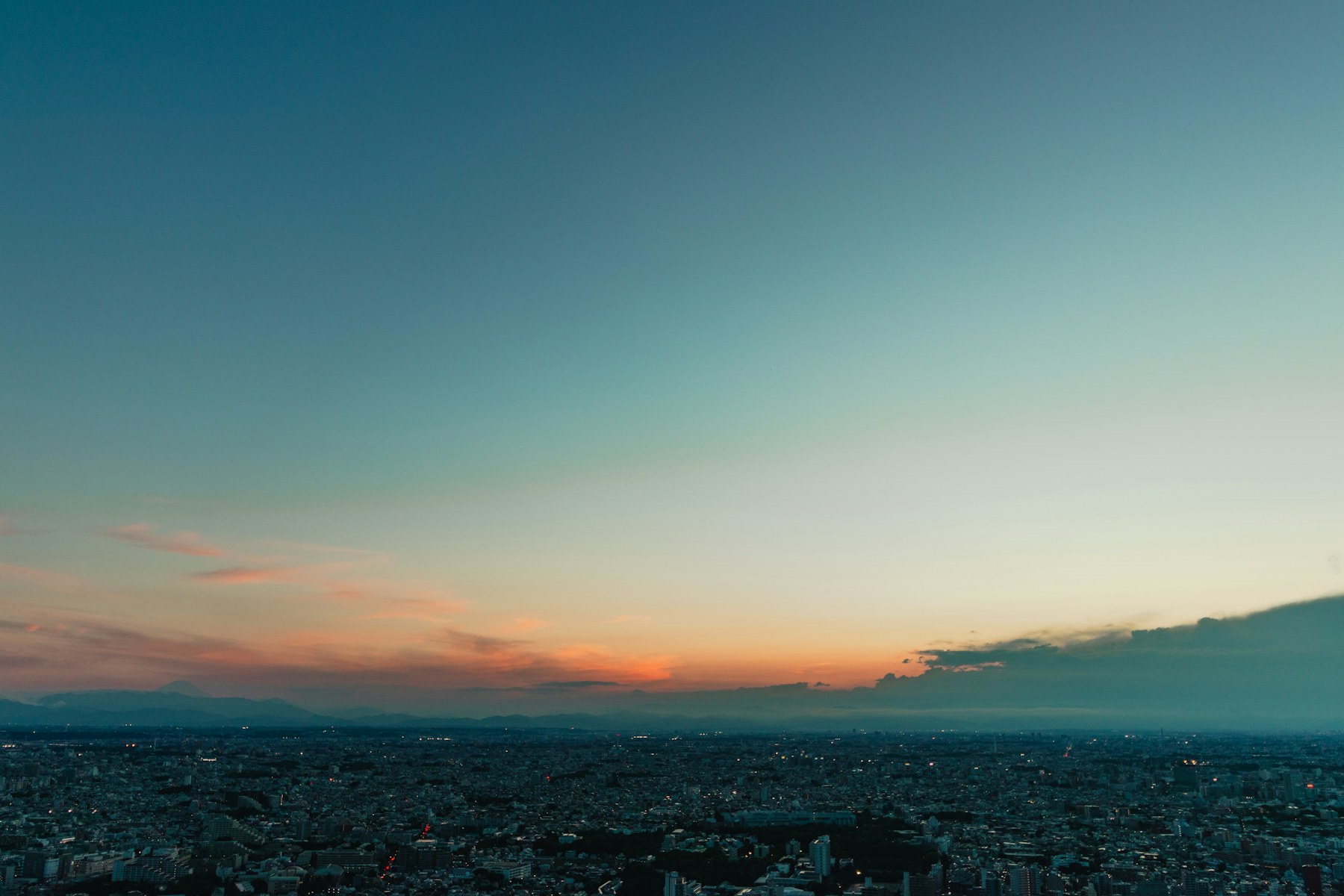
Shibuya Sky: sunset is the scarce product
Shibuya Sky currently releases tickets up to two weeks ahead. The official price page lists adult admission from ¥2,700 before 15:00 and ¥3,400 from 15:00. If online tickets are sold out, the ticket counter is also sold out. Late-afternoon inventory is competitive because travelers want daylight, sunset and city lights in one visit.
The catch is weather. The rooftop can close because of wind or rain, even while indoor viewing remains open. If the view matters more than the exact hour, choose a daytime slot and keep another outdoor viewpoint flexible. Our Tokyo observation-deck comparison explains which tower best fits views, location and budget.
teamLab Borderless and Planets: timed entry rewards commitment
teamLab Borderless and teamLab Planets use date- and time-specific tickets with dynamic pricing. The official Borderless page says tickets may sell out and currently lists adult entrance passes from ¥3,400. It also identifies Klook as an official sales site. The official Planets page currently lists adult entry from ¥3,800.
Morning, weekend and holiday slots often deserve advance booking. Direct official-site tickets can generally be changed up to three times, subject to availability and a deadline two hours before entry; reseller conditions may differ. That flexibility makes these sensible “book soon” attractions rather than automatic first-day bookings.

Tokyo Skytree: reserve holidays, sunset and special combinations
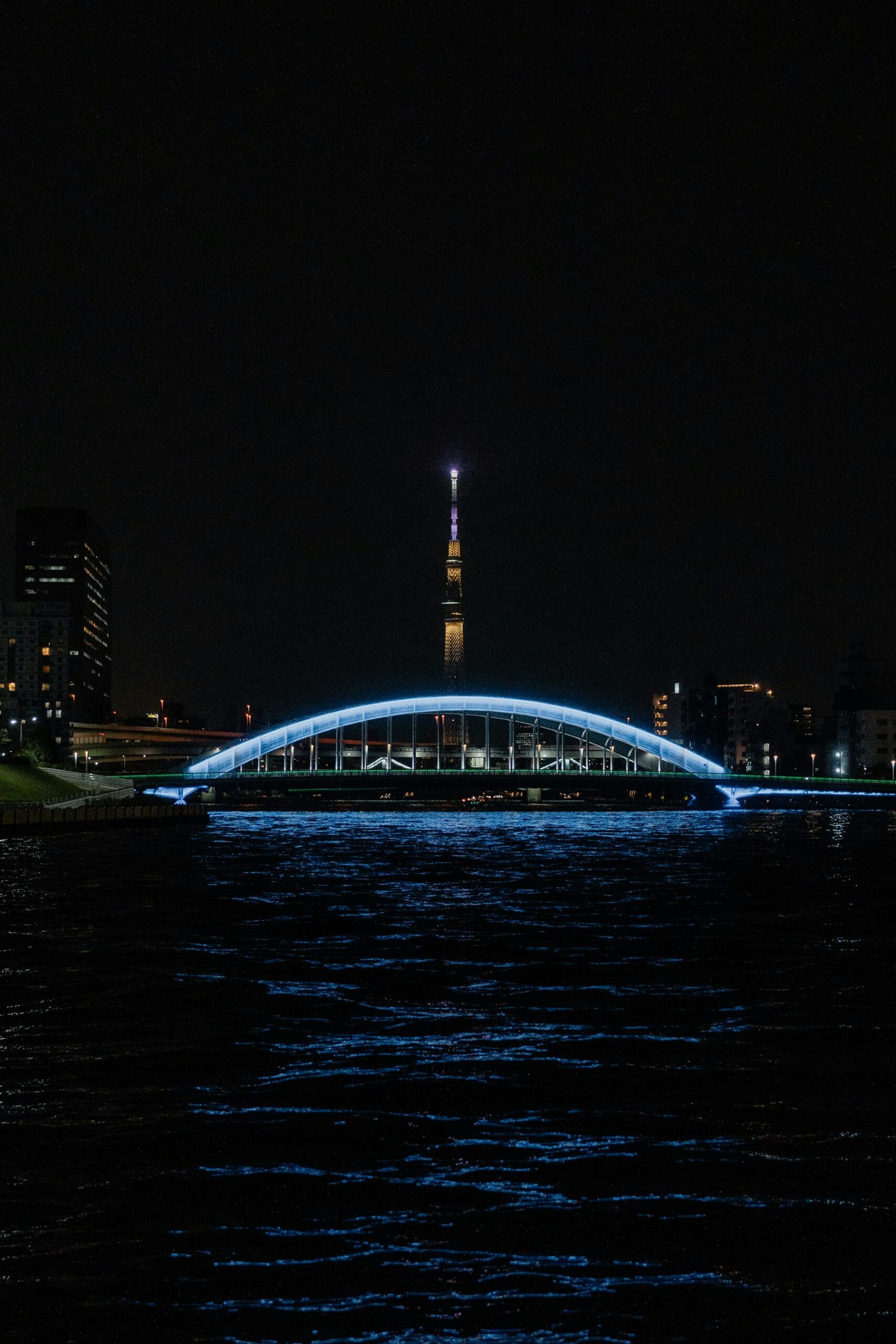
Tokyo Skytree advance tickets generally go on sale from the first day two months before the month of your visit. The official ticket page currently lists the Tembo Deck from ¥1,800 for adults and the Deck plus Tembo Galleria from ¥3,000. Buying at the counter adds ¥500, and same-day entry exists only while inventory remains.
Reserve if you want a holiday, a precise sunset window or a special Enjoy Pack. An ordinary weekday daytime visit is less urgent. Skytree also pairs naturally with Asakusa; compare neighborhood logistics in our Ueno vs Asakusa guide.
What can usually stay flexible?
Tokyo Tower’s standard Main Deck is generally easier to leave open than the headline attractions above. The official ticket site currently lists web admission from ¥1,500. However, the Top Deck Tour uses timed departures, and the ¥7,000 Diamond Tour is fully reserved with just 70 guests per day. Book those premium experiences if they are the point of your visit.
Meiji Shrine, Senso-ji, Shibuya Crossing, neighborhood walks and most public gardens do not need a timed reservation. Many conventional museums can also wait, unless a temporary exhibition requires a separate dated ticket. These flexible anchors are valuable: they let you respond to jet lag, rain or a child who needs a slower morning. Families should also see our Tokyo with kids guide.
A practical booking calendar
- Eight to ten weeks before: settle your broad Tokyo dates, monitor sumo and Disney sale windows, and choose any immovable day trip. If Mount Fuji is a priority, compare the best Mount Fuji tours from Tokyo.
- On the 10th before a Ghibli month: be ready at 10:00 JST with backup dates and times.
- One month before: reserve teamLab or premium Tokyo Tower experiences once your area-by-area plan makes sense.
- Two weeks before: choose Shibuya Sky, including a weather-aware backup plan.
- Forty-eight hours before: check forecasts, opening notices and transit. Keep at least half a day unreserved.
Do not schedule two non-refundable timed entries on opposite sides of the city. Tokyo looks compact on a map, but station navigation and transfers consume time. Our Tokyo subway ticket guide can help you decide whether a pass supports the itinerary or simply encourages unnecessary travel.
How to avoid overbooking Tokyo
- Cap timed attractions at two per day. One morning and one evening booking is usually enough.
- Group by area. Shibuya Sky fits Shibuya and Harajuku; Skytree fits Asakusa; Borderless fits Azabudai and central Tokyo.
- Protect weather-sensitive views. A clear daytime slot is better than a famous sunset hidden by cloud.
- Read change rules before paying. “No refunds” and “date changes allowed” can both be true.
- Keep the confirmation. Save the QR code offline and confirm whether every member needs a separate ticket.
If this is your first visit, start with our Tokyo travel guide and then fit these ticket decisions into a Tokyo–Kyoto–Osaka itinerary. Seasonal crowds matter too, so check the best time to visit Japan before assuming a weekday will be quiet.
Bottom line
Book scarcity, not anxiety. Ghibli Museum, tournament sumo and peak-date Disney deserve decisive action. Timed sunset decks and teamLab deserve a reservation once your route is stable. Leave neighborhoods, temples and lower-risk attractions open so Tokyo can still surprise you.
Prices, ticket windows and rules were checked against official sources on November 19, 2026. Attraction policies can change; reconfirm the official page before purchase.