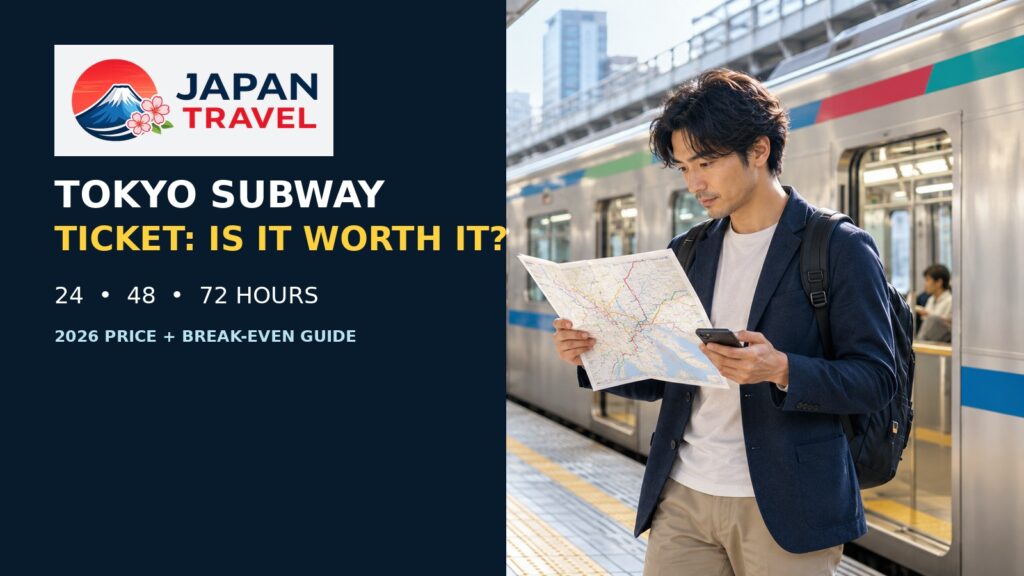
Short answer: the Tokyo Subway Ticket is worth buying when you expect to make at least five paid rides on Tokyo Metro and Toei Subway within each 24-hour period. It is usually a poor fit for days built around the JR Yamanote Line, private railways, airport trains or only two or three neighborhoods.
The 2026 prices are ¥1,000 for 24 hours, ¥1,500 for 48 hours and ¥2,000 for 72 hours. The clock starts at first use—not at midnight—so a ticket activated at 2:00 p.m. remains valid until 2:00 p.m. on its final day. That rolling validity is one of its biggest advantages.
Affiliate disclosure: this guide contains a Klook affiliate link. If you book through it, Japan Travel may earn a commission at no extra cost to you. Prices and rules were checked against official operator information for October 2026.
Tokyo Subway Ticket prices at a glance
| Ticket | Adult price | Effective daily cost | Best for |
|---|---|---|---|
| 24 hours | ¥1,000 | ¥1,000 | One intensive sightseeing day |
| 48 hours | ¥1,500 | ¥750 | Two subway-heavy days |
| 72 hours | ¥2,000 | About ¥667 | A three-day first-time Tokyo itinerary |
All three versions cover unlimited rides on the nine Tokyo Metro lines and four Toei Subway lines. Together, those 13 lines reach most central sightseeing districts. The official ticket site says the pass can save money from roughly five rides in 24 hours, but the exact break-even point depends on the fares for your journeys.
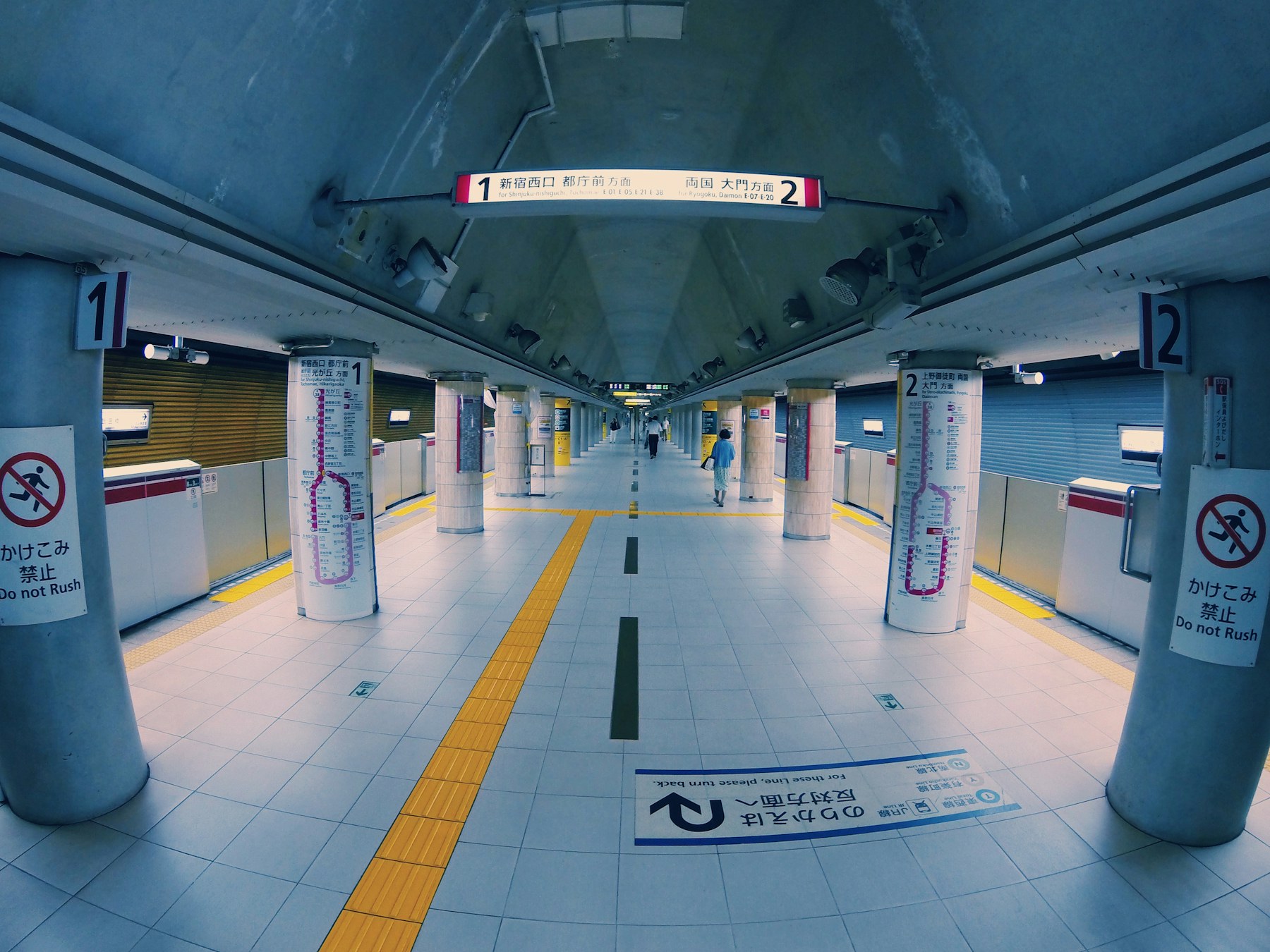
What the ticket covers—and what it does not
The ticket covers every Tokyo Metro and Toei Subway station. Useful covered lines include the Ginza Line for Asakusa, Ueno, Ginza and Shibuya; the Hibiya Line for Ueno, Akihabara, Ginza and Roppongi; the Marunouchi Line for Shinjuku, Tokyo and Ginza; and the Oedo Line for Shinjuku, Roppongi and Ueno-okachimachi.
It does not cover JR trains such as the Yamanote Line, Chuo Line or Keihin-Tohoku Line. It also excludes private railways, Tokyo Monorail, Yurikamome, Rinkai Line and most buses. Through-services can be confusing: if a subway train continues onto another company’s track, the portion outside the subway network requires an additional fare.
For a wider transport overview, read our Japan transportation guide. If you want one tap-and-go payment method across different operators instead of an unlimited pass, compare Suica, PASMO and ICOCA.
The real break-even calculation
Regular Tokyo Metro paper fares range from ¥180 to ¥330; IC fares range from ¥178 to ¥324. Toei Subway fares run from ¥180 to ¥430 on paper and ¥178 to ¥430 by IC card. Five minimum-fare ¥178 trips total only ¥890, so five short rides do not automatically beat the 24-hour ticket. However, a day mixing short and medium rides can reach ¥1,000 quickly.
- Three rides averaging ¥210: about ¥630—use an IC card.
- Four rides averaging ¥220: about ¥880—the 24-hour ticket probably still loses.
- Five rides averaging ¥220: about ¥1,100—the 24-hour ticket starts to win.
- Six rides averaging ¥210: about ¥1,260—the ticket saves money and removes fare-by-fare decisions.
Count paid entries, not attractions. Walking from Senso-ji to nearby Asakusa streets adds no ride; returning to a hotel for a break may add two. Also compare the route you would genuinely take—not an artificial all-subway route that is slower than JR.
Which duration should you choose?
24-hour ticket: choose it for one packed day
The 24-hour ticket works when one day includes several separated subway districts. A plausible covered route is Asakusa → Ueno → Ginza → Roppongi → Shibuya, with another ride back to your accommodation. It is less convincing if you plan to linger in only Asakusa and Ueno or Shibuya and Harajuku.
48-hour ticket: the most balanced option
At ¥750 per 24 hours, the 48-hour version needs fewer rides each day to justify itself. It suits a two-day plan that pairs eastern Tokyo—Asakusa, Ueno and Ginza—with western or central districts such as Shinjuku, Roppongi and Shibuya. Activate it when the first subway ride begins rather than automatically on arrival.
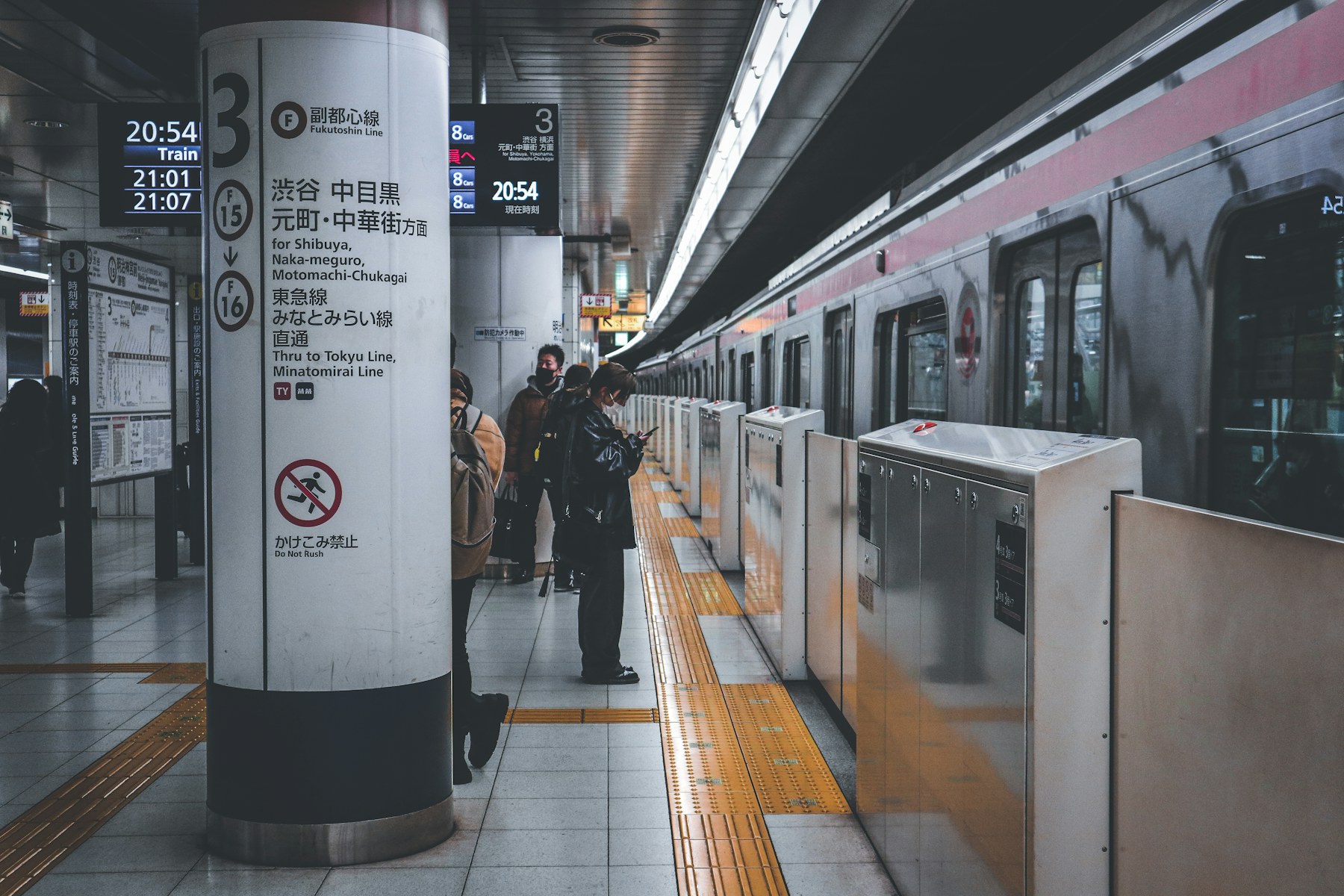
72-hour ticket: best value, but only with the right base
The 72-hour ticket costs only ¥500 more than the 48-hour version. It is the strongest value for three full central-Tokyo days, especially if your hotel is near both Metro and Toei stations. It can still be the wrong choice if one day is a Disney, Kamakura, Yokohama or Mt. Fuji excursion, because those journeys sit outside the covered network.
Your hotel location matters. A base in Shinjuku, Shibuya, Asakusa, Ueno or Ginza can make subway use easy, but the best line varies by itinerary. Our Shinjuku versus Shibuya guide explains the trade-offs, while the complete Tokyo travel guide helps organize the bigger trip.
When an IC card or another day ticket is better
| Option | 2026 adult price | Coverage | Choose it when |
|---|---|---|---|
| Tokyo Subway Ticket | ¥1,000 / ¥1,500 / ¥2,000 | Metro + Toei, rolling 24/48/72 hours | You qualify and will ride frequently |
| Tokyo Metro 24-hour Ticket | ¥700 | Nine Metro lines only, rolling 24 hours | Your routes avoid Toei lines |
| Common One-day Ticket | ¥1,100 | Metro + Toei, one calendar day | You do not qualify for the visitor ticket |
| IC card | Pay per ride | Nearly all trains, subways and buses | Your day mixes operators or has few rides |
The ¥700 Tokyo Metro 24-hour Ticket is an overlooked alternative. If every planned ride is on a Metro line, it beats paying ¥1,000 for Toei coverage you will not use. The ¥1,100 Common One-day Ticket covers Metro and Toei but expires at the end of the calendar day, unlike the rolling visitor ticket.
Three itinerary tests
- Subway-heavy sightseeing day: Asakusa, Ueno, Ginza, Roppongi and Shibuya, then back to your hotel. The 24-hour ticket is likely worthwhile if the route produces five or six paid rides.
- JR-heavy west Tokyo day: Shinjuku, Harajuku, Shibuya and Tokyo Station. The Yamanote and Chuo lines are often the natural routes, so use an IC card rather than forcing subway transfers.
- Mixed landmark day: Meiji Jingu, Shibuya Sky and Tokyo Tower. Operator choice depends on your hotel and timing. Price the actual route before buying; our Tokyo observation deck comparison can help you choose the landmark first.
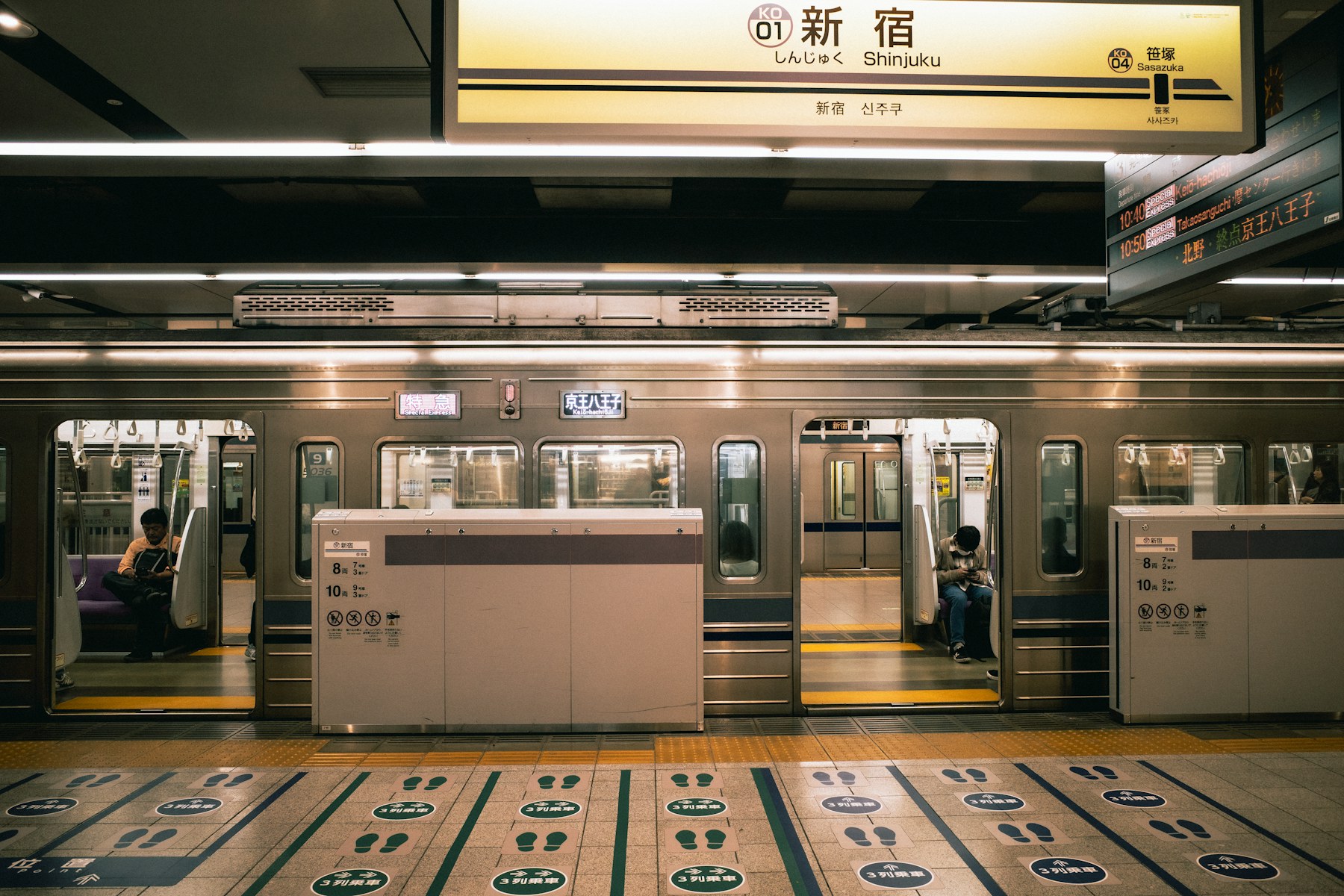
Who can buy it, and how does activation work?
The visitor-priced Tokyo Subway Ticket is restricted. Overseas visitors may need to show their original passport and Short-Term Stay status at qualifying sellers. Domestic purchasers generally need to reside outside Tokyo and the surrounding eligible-exclusion prefectures listed by the operators. Sales channels include selected airports, hotels, travel counters and online partners; availability and verification method vary.
Tokyo Metro and Toei expanded QR-code Tokyo Subway Tickets in March 2026. Whether you receive a QR ticket or another format, the validity clock begins with the first gate use. Keep the ticket or QR accessible, and do not activate it for an airport-transfer leg it does not cover.
Arriving first? The subway ticket does not cover the main airport transfer. Compare the Haneda Monorail, Keikyu and bus options, then activate your subway ticket when central-Tokyo sightseeing starts.
Final decision
Buy the Tokyo Subway Ticket if your planned days stay mostly within the Metro and Toei network, you expect roughly five or more rides per 24 hours, and you qualify for the visitor fare. The 48- and 72-hour versions are particularly forgiving because their daily cost drops.
Skip it if you are planning compact neighborhood days, prefer JR for west-Tokyo loops, will take day trips, or value operator flexibility more than a small saving. In those cases, an IC card is the simpler and often cheaper decision.
One-minute rule: list tomorrow’s paid journeys, mark which are Metro or Toei, and total the regular fares. If the covered total beats the pass price without adding inconvenient transfers, buy the pass. If not, tap an IC card and enjoy the more flexible route.