
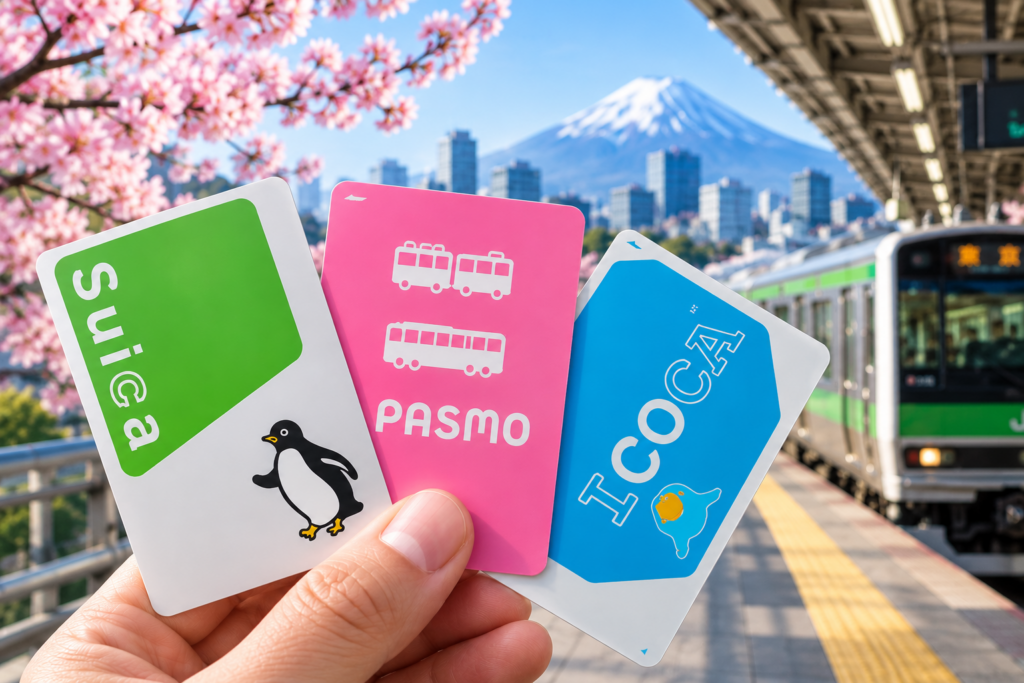
Japan’s transport IC cards make everyday travel much easier, but the names can make the choice look more complicated than it is. If your trip includes Tokyo, Kyoto and Osaka, you may see Suica, PASMO, ICOCA and tourist versions of those cards and wonder whether you need several.
For most visitors, the practical answer is simple: get one compatible IC card that is convenient to obtain and keep using it wherever nationwide mutual use is accepted. You normally do not need a Tokyo card and then a separate Osaka card.
The 30-second decision
| Your situation | Best approach |
|---|---|
| Arriving in Tokyo | Suica, PASMO or an available visitor version is usually the easiest starting point. |
| Arriving in Kansai | ICOCA is a natural choice, but you do not need to replace it when you later reach Tokyo. |
| Tokyo + Kyoto + Osaka trip | Use one interoperable IC card for ordinary covered local transport; buy separate tickets or passes where required. |
| You already have a compatible card from a previous trip | Check whether it is still valid and usable before buying another. |
| You want the simplest short-visit option in Tokyo | Compare current availability of Welcome Suica and TOURIST PASMO at your arrival point. |
Suica vs PASMO vs ICOCA: what actually changes?
The biggest difference for a visitor is usually where the card is issued and how you obtain it, not what you do with it every day. Suica is associated with JR East, PASMO with participating rail and bus operators centered on the Tokyo region, and ICOCA with JR West.
Japan’s major transportation IC cards participate in nationwide interoperability across many railways and buses. PASMO’s official visitor information, for example, lists Suica, ICOCA, Kitaca, TOICA, manaca, SUGOCA, nimoca and HAYAKAKEN among mutually usable cards, while warning that some routes have exceptions.
When Suica is the easiest choice
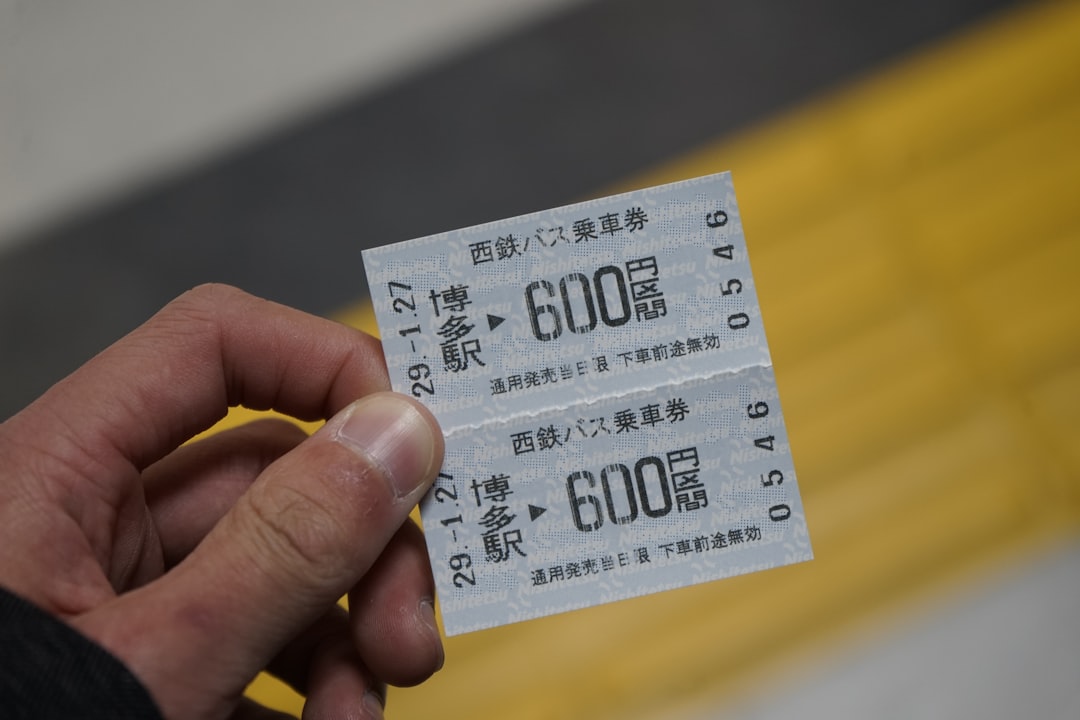
Suica is an obvious option if you begin in Tokyo or elsewhere in JR East territory. For overseas visitors, JR East currently sells Welcome Suica at selected locations including Narita Airport, Haneda Airport Terminal 3, Tokyo, Shibuya, Shinjuku, Ikebukuro, Ueno and Yokohama. Availability and sales locations can change, so check JR East before your arrival rather than building your airport plan around an old blog post.
Choose Suica or Welcome Suica when it is simply the easiest card to obtain at the start of your trip. There is little benefit in hunting across the city for a different brand if the card you can buy already covers the transport you expect to use.
When PASMO makes more sense
PASMO is similarly useful around Tokyo and interoperates broadly with other major transport IC cards. One important 2026 change is that the old PASMO PASSPORT is no longer the current tourist product: its sales and handling ended in 2024. PASMO announced the new TOURIST PASMO for international visitors in 2026, with sales beginning from May at stations and locations near international airports.
That means travelers should be careful with older articles and videos still telling visitors to buy PASMO PASSPORT. If you want a tourist PASMO product, look for the current TOURIST PASMO information and verify the latest sales location before travel.
When ICOCA is the natural choice
If you land in Osaka or begin your trip in Kyoto, an ICOCA card is often the straightforward choice. You can then continue using that same interoperable card on many compatible systems elsewhere in Japan, including the Tokyo area, instead of collecting a new card in every region.
This is particularly useful for a classic Osaka–Kyoto–Tokyo route: think of your IC card as your everyday stored-value transport tool, not as a city-specific sightseeing pass.
What an IC card does — and what it does not do
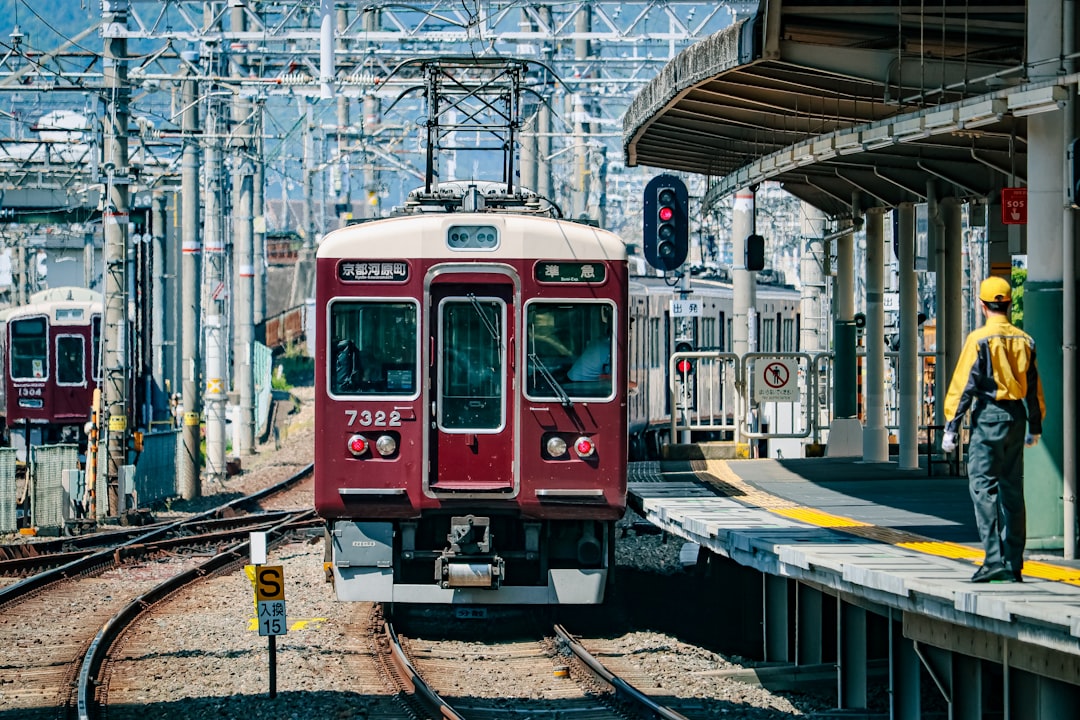
An IC card is excellent for many ordinary trains, subways and buses: tap in, tap out, and the appropriate stored-value fare is deducted where the system supports it. Compatible cards can also be useful for small cashless purchases at participating shops and vending machines.
But an IC card is not an unlimited Japan train pass. It also does not automatically replace every ticket or reservation. Limited express trains, Shinkansen journeys, reserved seats, special services and routes outside IC coverage can require additional tickets, reservations or another payment method.
If you are deciding between stored-value travel and longer-distance rail products, read our Japan Rail Pass vs IC Cards guide. For the bigger transport picture, see the Japan transportation guide.
Do you need both Suica and ICOCA?
Usually, no. A first-time visitor traveling Tokyo → Kyoto → Osaka can normally keep using the same compatible IC card for covered local transport. Buying another card merely because you crossed into another region usually adds complexity without solving a problem.
There are exceptions. Some local transport systems are outside the nationwide IC network, and even interoperable cards can have route-specific limitations. When you venture into rural areas, islands or less common private transport networks, check the operator rather than assuming the tap gate will accept your card.
Physical card or mobile IC card?
A mobile IC card can be very convenient because your phone becomes the thing you tap at the gate. But device compatibility, wallet setup, card provisioning and overseas payment-card behavior can vary. If you prefer a setup that does not depend on your phone battery or wallet configuration, a physical card remains an easy travel tool.
Whichever format you use, keep a backup payment method. Transport systems can have maintenance periods or temporary service issues, and not every ticket machine or operator works the same way.
A practical IC-card strategy for a first Japan trip
- Start with your arrival airport. Check which compatible card is easiest to obtain there or at your first major station.
- Buy one card, not a collection. If it works for your route, continue using it in later cities.
- Top up sensibly. Add enough for the next part of your trip rather than loading a large balance immediately.
- Check long-distance journeys separately. Treat Shinkansen and reserved limited-express planning as a different decision from everyday IC-card use.
- Keep some cash or another payment method. Smaller operators and exceptional routes may not accept your card.
For a first trip, this approach is usually more useful than trying to optimize the logo printed on the card. The best IC card is generally the compatible one you can obtain conveniently and keep using.
How this fits your Japan budget
An IC card does not inherently make every ride cheaper; its main advantage is convenience and smoother fare payment. Budget your intercity transport separately, then use an IC card for the many smaller covered journeys that happen throughout the day. Our Japan Travel Budget Guide 2026 can help you estimate the larger trip cost.
If this is your first visit, also read 15 things to know before your first Japan trip and use our first-trip itinerary planning guide to put your cities in a sensible order.
Bottom line
Choose convenience over brand. Suica, PASMO and ICOCA are all useful travel tools, and nationwide interoperability means most visitors do not need to switch cards simply because they travel from Tokyo to Kansai or vice versa. What matters more is whether your specific railway, bus or service accepts the card and whether a separate ticket or reservation is required.
Reviewed for September 2026 travel planning. IC-card products, sales locations, validity rules and transport coverage can change. For time-sensitive details, verify with the issuing railway or card operator before travel.
Official checks used for this update: JR East Welcome Suica information and PASMO’s official visitor information, including its 2026 TOURIST PASMO announcement.