
The short answer: Choose Kamakura for the easier, more flexible day trip: it is about one hour from Tokyo, major sights are connected by walking and the Enoden, and you can combine temples with the coast. Choose Nikko for grander World Heritage architecture, cedar forests and mountain scenery—but accept roughly two hours each way, more transport planning and a more tightly timed day.
Kamakura and Nikko are two of the strongest cultural day trips from Tokyo, but they solve different travel needs. Kamakura is compact and forgiving. Nikko feels more monumental and remote. The better choice depends on how much travel time you will trade for the experience, whether you want coast or mountains, and how comfortable you are with an early start.
Affiliate disclosure: This guide contains a verified Klook affiliate link. If you book through it, Japan Travel may earn a commission at no extra cost to you. The destination recommendation is based on the practical differences between the two trips.
Kamakura vs Nikko at a glance
| Decision | Kamakura | Nikko |
|---|---|---|
| Travel from Tokyo | About 55–60 minutes from Tokyo Station | About 1.5–2 hours by faster routes |
| Best for | Temples, Great Buddha, local train, coast, flexible pace | World Heritage shrines, cedar forest, mountain scenery |
| Day-trip effort | Easy to moderate | Moderate to high |
| Local movement | Walking, Enoden and short buses | Walking in the heritage area; buses for Lake Chuzenji and Kegon Falls |
| Best weather backup | Easy to shorten or rearrange | Long journey makes poor weather more costly |
| Typical cost pattern | Lower transport and admission spend | Higher transport cost; major paid shrine admissions |
| Best first choice | Shorter Tokyo stay or relaxed travelers | Travelers prioritizing Nikko itself |
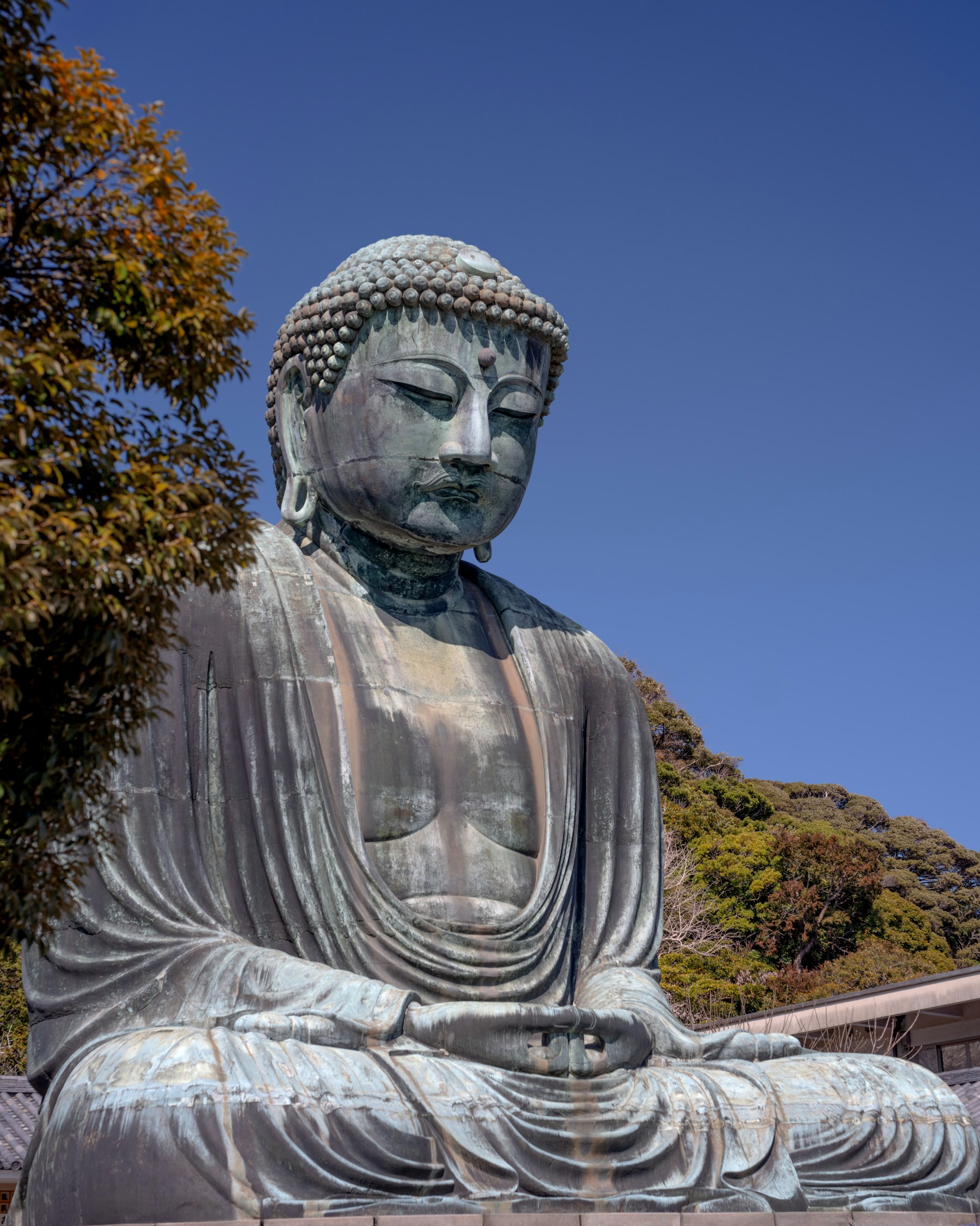
Choose Kamakura for the easier day
Kamakura is the safer recommendation when you want a meaningful change from Tokyo without turning the day into a transport project. The official Kamakura guide lists the JR Yokosuka Line journey from Tokyo Station at about 60 minutes; JNTO gives a 55-minute reference. Once you arrive, Komachi-dori, Tsurugaoka Hachimangu and several central sights are walkable, while the Enoden serves Hase and the coast.
That compactness creates options. You can begin with central Kamakura, move to Hase for the Great Buddha and Hasedera, then continue toward the sea—or stop early and return to Tokyo without feeling that the day failed. It also fits more comfortably after several demanding sightseeing days.
Kamakura is strongest when you want
- A direct trip of roughly one hour rather than two
- A mix of temples, shopping streets, gardens and coastal atmosphere
- A day that can expand or contract according to energy and weather
- Lower admission costs and fewer advance decisions
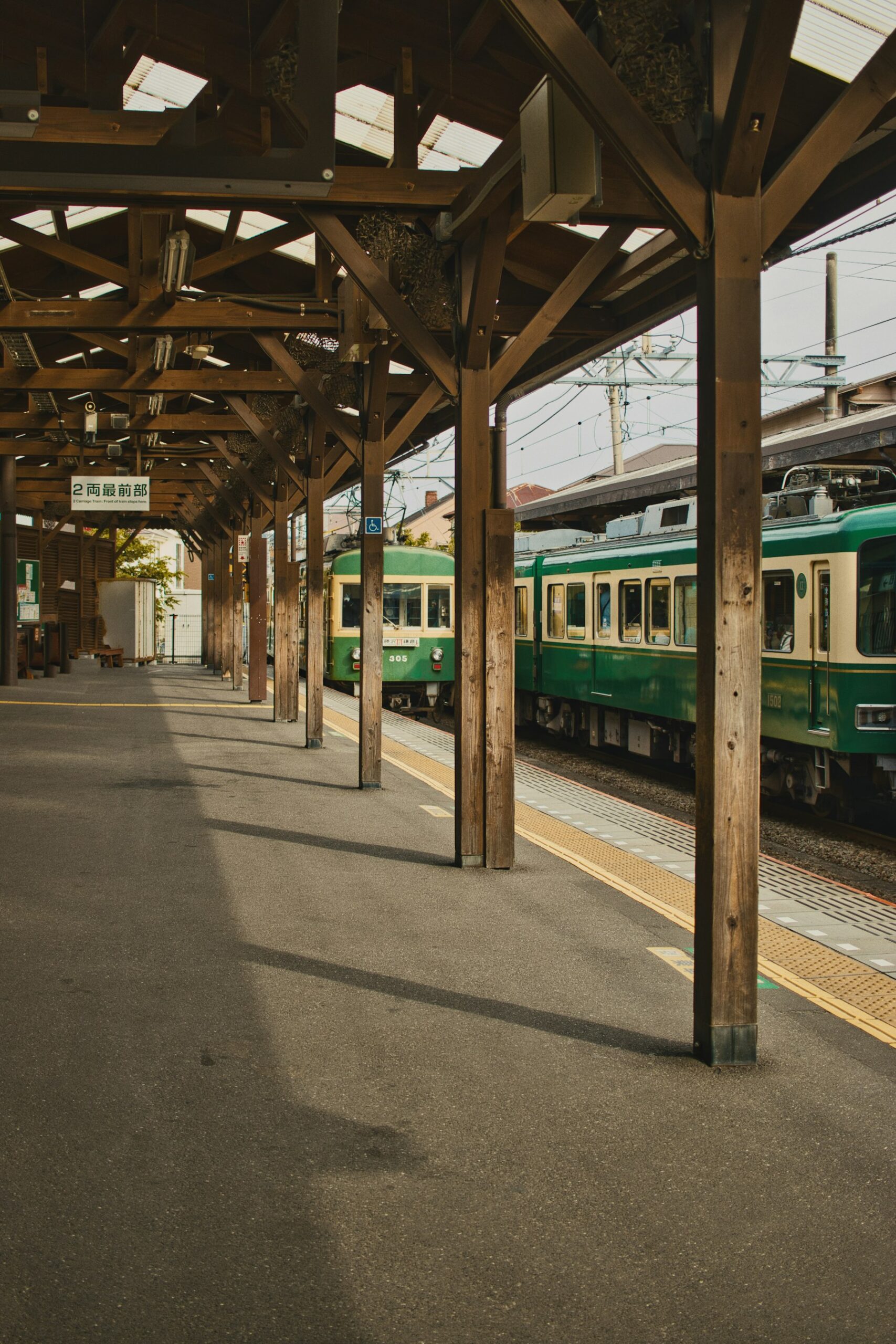
- A local-rail experience on the Enoden
- A practical cultural excursion during a shorter Tokyo stay
Choose Nikko for the more dramatic destination
Nikko asks more from the day, but it delivers a stronger sense of arrival. The central World Heritage area combines highly decorated shrine architecture with huge cedar trees and a mountain setting. It is a better choice when Toshogu and Nikko’s religious landscape are priorities rather than interchangeable “traditional Japan” stops.
Official guidance places Nikko about 1.5–2 hours from Tokyo on the faster routes. Limited express trains from Asakusa or Shinjuku take about two hours, while a Tokyo–Utsunomiya Shinkansen connection followed by the JR Nikko Line can take around 1 hour 40 minutes. Local Tobu trains are cheaper but take longer and may require transfers.
Nikko is strongest when you want
- One of Japan’s most important shrine-and-temple complexes
- Ornate architecture rather than Kamakura’s more restrained temple atmosphere
- Cedar forest and mountain scenery
- A full, destination-focused day with an early departure
- The option to stay overnight and continue to Lake Chuzenji or an onsen area
- A cooler mountain environment than coastal Kamakura
Time matters more than distance
The difference is not simply one hour versus two. A Kamakura day can begin after the morning rush, absorb a slow lunch and still return comfortably. A Nikko day works best when you leave Tokyo early, know which train you are taking and decide whether the priority is the central heritage area or the mountain-and-lake zone.
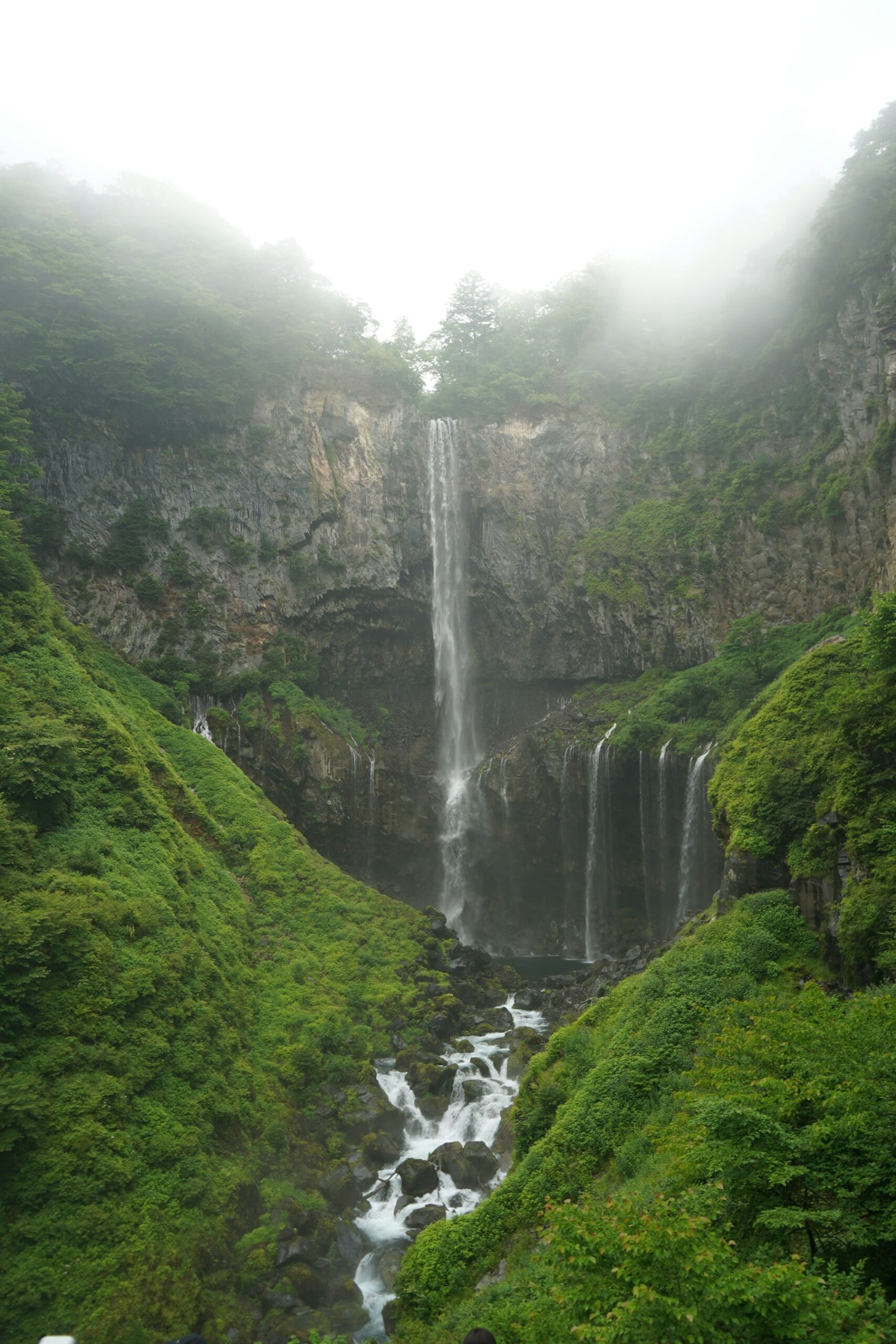
Trying to combine Toshogu, Lake Chuzenji and Kegon Falls in a casual day trip creates the biggest scheduling risk. The official Nikko guide warns that the normal bus journey from Nikko Station to Lake Chuzenji can increase from about 45 minutes to more than four hours during peak autumn congestion, particularly from mid-October to mid-November. In that period, an overnight stay is the more resilient plan for Oku-Nikko.
A realistic Kamakura day-trip plan
- Arrive at Kamakura Station. Walk Komachi-dori and continue to Tsurugaoka Hachimangu before the busiest part of the day.
- Return toward the station for lunch. Avoid crossing the city solely for one famous restaurant.
- Take the Enoden to Hase. Visit the Great Buddha and Hasedera.
- Add the coast if the weather is pleasant. Keep it optional rather than forcing a beach stop into poor conditions.
- Return directly or continue toward Enoshima. Enoshima makes the day longer and should be treated as an extension, not an automatic requirement.
As of 12 November 2026, the official listings show adult admission of ¥300 for the Great Buddha and ¥400 for Hasedera. The Great Buddha is a seven-minute walk from Hase Station; Hasedera opens at 8:00, with seasonal closing times. Recheck the official pages before travel because temple hours and special access can change.
A realistic Nikko day-trip plan
- Reserve an early train. A limited express saves time, but its reserved-seat fare is separate from basic Tobu pass coverage.
- Go first to the World Heritage area. Build the morning around Toshogu, then add Futarasan Shrine or Rinnoji according to your interests.
- Eat before making the next transport decision. Decide whether the remaining daylight supports another central stop or a bus toward Lake Chuzenji.
- Do not force Oku-Nikko into peak traffic. Kegon Falls and Lake Chuzenji are worthwhile, but they are not “next door” to Toshogu.
- Protect the return train. Leave margin for buses, walking and station queues.
Nikko Toshogu’s official admission page currently lists ¥1,600 for an individual adult/high-school ticket. Nikko’s official guide lists the two-day World Heritage Area Pass at ¥3,000 for adults and the four-day All Area Pass at ¥8,000; limited express tickets and shrine admissions are separate. Those pass figures are most useful as cost anchors, not automatic purchase recommendations.
Which is better for families?
Kamakura is normally easier with younger children because the journey is shorter and the day has more exit points. You can skip a temple, pause near the station or return early without losing four hours to the round trip. The Enoden can also be part of the experience rather than only a transfer.
Nikko can suit older children who enjoy history, architecture and nature, but the combination of reserved trains, buses, stairs and a long return requires more stamina. Families should choose the central shrine area or Oku-Nikko as the main day—not assume both will fit comfortably.
Which is better in rain?
Light rain can suit both destinations, but Kamakura is easier to adapt. Shorten the coastal portion, focus on a smaller number of temples and return when energy drops. Nikko’s cedar forest can be atmospheric in rain, but poor visibility makes the long trip to mountain viewpoints less rewarding and buses can be more stressful.
Check both the Tokyo forecast and the destination forecast. Nikko’s mountain weather can differ substantially from central Tokyo.
Which costs less?
Kamakura is usually the lower-cost day because the rail journey is shorter, local movement is compact and the two headline Hase admissions total ¥700 at current listed prices. Nikko’s faster transport, bus travel and ¥1,600 Toshogu admission create a higher baseline. Adding Lake Chuzenji, Kegon Falls or a limited express raises it further.
Do not choose only by the lowest total. Kamakura is better value when you want a relaxed cultural day. Nikko is better value when its World Heritage architecture or mountain landscape is specifically important to you. Use the Japan travel budget guide to place the day trip within your wider trip spending.
Where should you stay in Tokyo for each trip?
For Kamakura, Tokyo Station, Shinagawa and Shinjuku all have workable rail routes; the most direct option depends on your hotel and service pattern. For Nikko, Asakusa naturally fits Tobu services, while Shinjuku can work for the joint JR–Tobu limited express. Travelers using the Shinkansen route should compare access to Tokyo or Ueno Station.
Do not change hotels only for one day trip. Start with the Where to Stay in Tokyo guide, then choose the route from your actual base. Our Tokyo Travel Guide helps place the excursion beside the neighborhoods you still want to see.
Should you book a tour?
Both destinations are manageable independently. Kamakura rarely needs a tour unless you want interpretation or a specialist theme. Nikko tours can reduce train-and-bus decisions, but a long attraction list may mean less time at the places you care about. Check the departure point, guide language, admissions, time at each stop and whether Lake Chuzenji is genuinely included.
Browse Tokyo activities and current Kamakura or Nikko day tours on Klook →. This is Japan Travel’s verified Tokyo activities destination link, not a direct link to one tour. Filter the current listings and verify the exact itinerary before paying.
How this fits a first Japan itinerary
With only three full days in Tokyo, keep the city unless Kamakura or Nikko is a major personal priority. With four or five Tokyo days, one excursion becomes easier to justify. The 7-day Japan itinerary shows why short trips need restraint, while the 10-day itinerary has more room for a contrasting side trip.
Remember that neither trip is covered by the Tokyo Subway Ticket. If you are also comparing city transport, read whether the Tokyo Subway Ticket is worth it and the broader Japan train travel guide. For a mountain-and-lake alternative closer to an onsen itinerary, compare the Mount Fuji and Hakone day-trip options.
Final recommendation
Choose Kamakura when you want the easier default: less travel, more flexibility, lower costs and a balanced combination of culture and coast. Choose Nikko when the destination itself is the priority and you are willing to invest an early start, a longer journey and more structured transport for its World Heritage architecture and mountain setting.
If you are still evenly split, choose Kamakura on a short first trip and save Nikko for a future overnight stay. Nikko becomes much stronger when you can separate the shrine area from Lake Chuzenji and Oku-Nikko instead of racing between them.
Details checked 12 November 2026. Authoritative references: Visit Kamakura access guide, JNTO Kamakura guide, official Great Buddha listing, Kamakura Hasedera, Nikko Official Guide, JNTO Nikko National Park access and Nikko Toshogu admission information. Recheck timetables, pass terms, traffic and opening hours for your travel date.