
Japan Travel is reader-supported. This guide contains hotel booking links. If you book through them, we may earn a commission at no extra cost to you.
Kyoto Station is the better base for easy transport, luggage handling and day trips. Gion is the better base for atmosphere, early temple walks and memorable evenings. Neither area is universally best—the right choice depends on what you will actually do before breakfast, after dinner and on the days you leave Kyoto.
If this is your first Kyoto trip, start with our broader guide to Kyoto’s best areas. This comparison goes deeper on the two bases travelers most often debate.
The quick decision
| Your priority | Better base | Why |
|---|---|---|
| Shinkansen, airport arrival or a short stay | Kyoto Station | Less time and effort on arrival and departure |
| Nara, Osaka, Uji or multiple rail day trips | Kyoto Station | More direct JR and regional connections |
| Heavy luggage, stroller or limited mobility | Kyoto Station | More storage, delivery and step-saving options |
| Early Kiyomizu-dera or Yasaka Shrine walks | Gion | You can reach eastern Kyoto before tour groups build |
| Traditional streets and evening atmosphere | Gion | Historic lanes are outside your door |
| Couples or a slower, Kyoto-focused stay | Gion | The neighborhood itself becomes part of the trip |
| Nightlife, shopping and a balanced central location | Neither | Downtown Kyoto around Kawaramachi or Karasuma may suit you better |
Our default recommendation: choose Kyoto Station for a two- or three-night visit with several day trips. Choose Gion for three or more nights when Kyoto’s eastern temples, traditional streets and quiet mornings are the main event.
Kyoto Station: best for an efficient trip
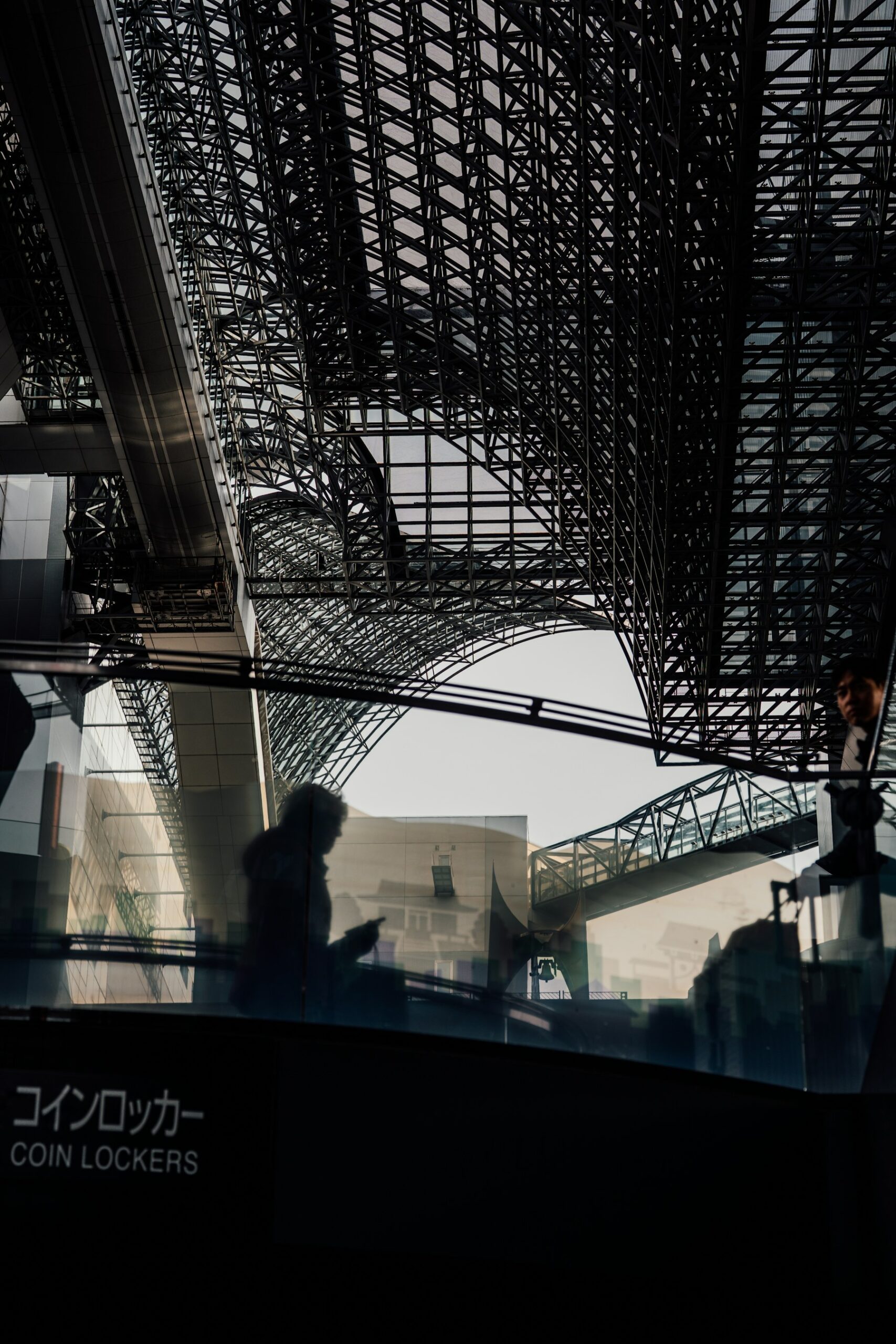
Kyoto Station is not Kyoto’s prettiest neighborhood, but it is the city’s most forgiving base. Shinkansen platforms, JR lines, the Karasuma subway, highway and airport buses, taxis and city buses all meet here. When you arrive tired or leave early, that convenience is worth more than a picturesque address.
It is especially strong for rail-heavy itineraries. Fushimi Inari is about 10 minutes from Kyoto Station by JR, while Arashiyama is roughly 25 minutes and central Kyoto about 20 minutes in the official city estimates. Nara and Osaka also begin with straightforward rail connections. If you are still planning the wider route, compare JR, Hankyu and Keihan between Kyoto and Osaka and our practical Nara day-trip route.
- Choose the north/central exit side for Kyoto Tower, the bus terminal, Porta underground shopping and easier access toward downtown.
- Choose the Hachijo side for many airport-bus stops, quieter streets and some good-value business hotels.
- Check the walking route, not just distance. A hotel advertised as “Kyoto Station” can still involve a long crossing, an overpass or several station corridors.
The trade-off is atmosphere. The station building is architecturally impressive and the area has department-store food halls, ramen, supermarkets and reliable late meals. But you will commute to many of Kyoto’s most evocative streets. If the image in your head is a lantern-lit lane outside the hotel, this is not that base.
Gion: best when Kyoto itself is the priority
Gion puts you in the historic east, close to Yasaka Shrine, Maruyama Park, Kennin-ji, Hanamikoji and the lanes climbing toward Kiyomizu-dera. The reward is time: you can walk before breakfast, return after an evening meal and experience eastern Kyoto when day-trippers have thinned out.
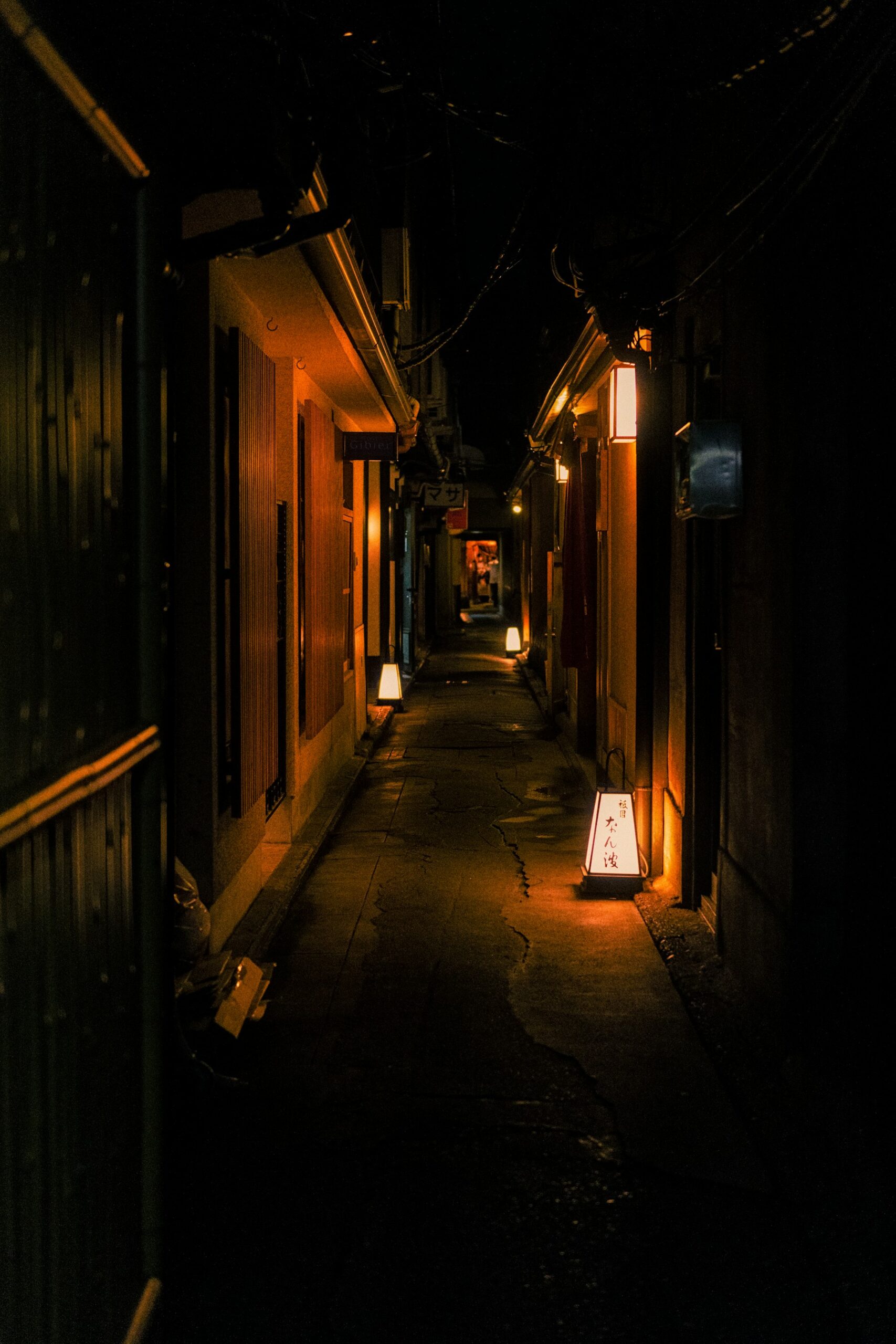
“Gion” covers several micro-locations. Around Gion-Shijo Station you gain Keihan rail access and an easy walk across the river to Kawaramachi. The northern and eastern edges near Higashiyama Station are calmer and connect to the Tozai subway. Farther uphill toward Kiyomizu, the streets are beautiful but luggage and steep walks become more important.
Gion is not isolated. Kyoto’s official tourism guide recommends subway-first routes to avoid road congestion: Kyoto Station to Higashiyama Station takes about 15 minutes via Karasuma Oike, before the final walk. Keihan is useful for Fushimi Inari and transfers at Tofukuji. The weakness is that there is no single Gion interchange equivalent to Kyoto Station, so many journeys include a walk or transfer.
Gion also requires realistic expectations. It is a living neighborhood, not an open-air museum. Some lanes are quiet early, while Shijo-dori can be busy. Restaurants range from casual to special-occasion prices; small venues may require reservations or finish earlier than travelers expect. Stay respectfully, do not block private entrances and never photograph people where signs prohibit it.
Transport: the difference is larger than the map suggests
Kyoto’s roads become congested, particularly in peak foliage, blossom and holiday periods. A map may show a direct bus from your hotel, but a train-plus-walk route is often more predictable. Our full Kyoto bus, subway and train comparison explains when each mode wins.
- From Kyoto Station: JR is excellent for Fushimi Inari and Arashiyama; the Karasuma subway is useful for central Kyoto; buses fill the gaps.
- From Gion: Keihan works well along the eastern side and toward Fushimi Inari; the Tozai subway helps from the Higashiyama edge; walking is often the best first leg.
- For Kinkaku-ji: neither area is perfect. Expect a bus segment or a combination of rail and bus.
- For Osaka: Kyoto Station favors JR, while Gion-Shijo can make Keihan convenient. Kawaramachi gives access to Hankyu.
If your itinerary follows the classic Tokyo–Kyoto–Osaka route, Kyoto Station removes friction from the Shinkansen leg. See our Nozomi, Hikari and Kodama comparison before choosing tickets.
Luggage can decide this for you
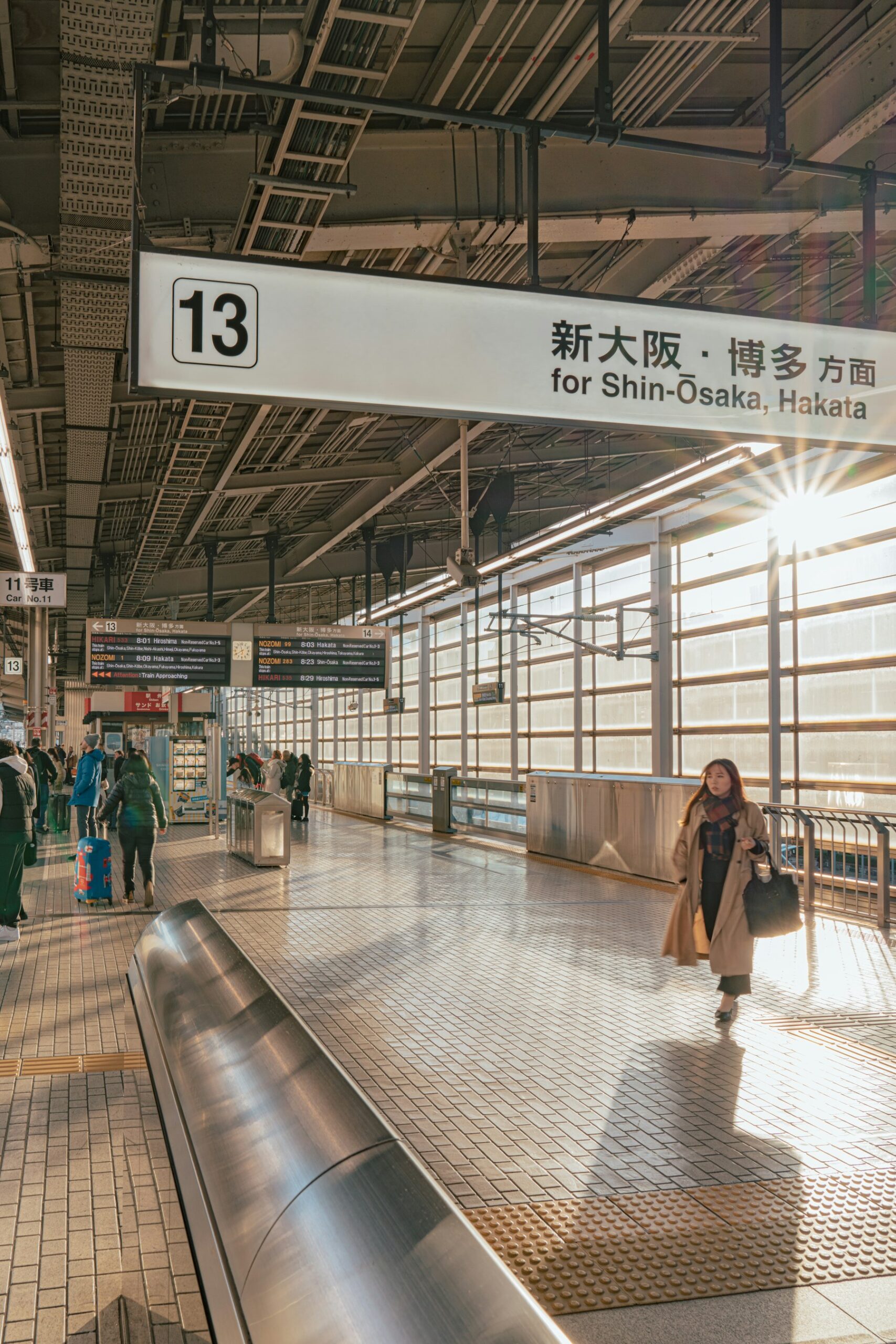
Travelers with large suitcases, children, mobility limits or a late arrival should give Kyoto Station extra weight. The station area has multiple delivery desks, staffed storage counters and lockers. Kyoto City specifically asks visitors not to bring large luggage onto city buses because it worsens crowding.
If you prefer Gion, use luggage forwarding rather than changing your hotel choice. Send bags from your previous hotel to Kyoto, or leave them at Kyoto Station and use same-day delivery where timing permits. Read our Japan luggage strategy guide before travel; counter hours, cutoff times and hotel participation vary.
Hotel style, price and Kyoto’s 2026 accommodation tax
Kyoto Station has the broader concentration of business hotels, large chain properties, family rooms and practical apartment-style stays. Gion and Higashiyama have more small inns, design hotels, luxury properties and ryokan-style experiences, though there are midrange options on the district’s edges. Prices move sharply by season, weekday and cancellation policy, so compare total refundable rates for your exact dates rather than relying on a generic nightly average.
You can compare the same Kyoto dates on Booking.com and Agoda. Search the map around your intended station or landmark, then compare room size, breakfast, laundry, elevator access and the final price—not only the headline rate.
Budget note: Kyoto City’s accommodation tax changed on March 1, 2026. The tax is charged per person, per night and is based on the accommodation fee: ¥200 below ¥6,000; ¥400 from ¥6,000 to ¥19,999; ¥1,000 from ¥20,000 to ¥49,999; ¥4,000 from ¥50,000 to ¥99,999; and ¥10,000 at ¥100,000 or more.
Rates verified with Kyoto City and Kyoto City’s official tourism guide on November 5, 2026.
The rate is determined by the actual stay date, even if the booking was made before the change. Check whether the displayed hotel total includes the tax or whether it is collected at the property.
Three common trip patterns
Two or three nights with day trips: Kyoto Station
When every hour matters, cutting transfers on arrival, departure and day-trip mornings usually beats having a prettier neighborhood. This is the strongest case for Kyoto Station—especially in a compact seven-day Tokyo, Kyoto and Osaka itinerary.
Three or four nights focused on temples and atmosphere: Gion
Stay in Gion if you want to begin at Yasaka Shrine, Kiyomizu-dera or Kennin-ji before the busiest hours, take a midday rest and walk after dinner. This choice makes the neighborhood part of the experience rather than just somewhere to sleep.
Four or more nights with mixed priorities: consider downtown
If you want shopping, varied dining, nightlife and reasonable access to both station and eastern sights, the Kawaramachi–Karasuma area can be a better compromise. Do not split hotels within Kyoto merely to sample two neighborhoods unless the experience itself matters; packing and check-in usually consume more time than the transfer saves. Our complete Kyoto travel guide helps match areas to your sightseeing plan.
Final verdict
Stay near Kyoto Station if your trip is built around movement. It is the practical choice for first arrivals, short stays, luggage, Shinkansen travel and several excursions.
Stay in Gion if your trip is built around place. It is the experiential choice for early walks, eastern Kyoto, quiet evenings and travelers who want their base to feel unmistakably Kyoto.
Whichever you choose, book by the exact map pin—not the neighborhood name in the listing. A ten-minute walk in the wrong direction, with stairs and a suitcase, can matter more than the area label.